More and more seafarer certificates are now digital. But each company or app often keeps them in its own system. A new test by BIMCO shows that different systems can send certificates to each other. BIMCO is a large international association of shipowners.
BIMCO published the results of the test in mid-October 2026. The trade news site Smart Maritime Network reported on them on 20 October. BIMCO says the next step is one common certificate file that every system can read.
What BIMCO tested
The test took place on 17 September 2026 at BIMCO House in Copenhagen, Denmark. Seven independent digital certificate platforms took part. They used only made-up test seafarers, not real people's data.
The aim was simple. A seafarer who changes employer should be able to move all their certificates from one system to another. No certificate and no data should be lost on the way.
The platforms tried three ways to share data. They sent structured files. They sent PDF files with data that a computer can read. And they linked systems directly, so the user could choose which information to share.
In all cases, the receiving system could import and read the certificates. This worked even though each system stores data in a different way. All platforms used the IMO Compendium as a common guide. This is an IMO document that sets standard names and meanings for data in electronic shipping documents. BIMCO's model for seafarer certificate data was added to it.
Not ready yet
BIMCO's report says the test proved that sharing is possible. But it is not yet automatic. Some exchanges needed planning in advance or changes to a system, Smart Maritime Network reported.
The bigger question is trust. A receiving system must check who issued a certificate and that nobody changed it. It must also check that the issuer is official and that the certificate is still valid. A certificate can be suspended, cancelled or replaced.
BIMCO proposes official lists of trusted issuers that computers can read. These lists would be kept by the competent authorities, such as flag states. Issuers would also publish digital keys, so anyone can check their signature.
The report describes a step-by-step change. First come PDF certificates that computers can read and check. Then comes one common certificate file. Later, seafarers could keep their certificates in a digital wallet that they control themselves. During all steps, a scan or copy must stay clearly different from a certificate signed by the issuer.
BIMCO plans to discuss the results with the IMO. It may bring them to a future meeting of the IMO Facilitation Committee. This committee deals with paperwork and procedures for ships, crews and ports.
A charter for digital certificates
The test is part of BIMCO's Seafarer Digital Certificates Charter. BIMCO started it on 4 June 2026. The first companies to sign were LEDGID, Maritime Passport, Crewdentials and IDSure. Companies that sign promise to take part in tests like this one.
The charter says seafarers should control who can see and update their own data. It is voluntary. It does not change any legal rules. These include STCW, the MLC (Maritime Labour Convention), port state control (ship inspections in ports) and immigration rules.
Jeppe Skovbakke Juhl, BIMCO's Chief Naval Architect, wrote about the results on LinkedIn on 15 October. He said sharing certificates "does not mean creating one global platform". Different systems can exist side by side if they use common basic rules, he wrote.
What it means for crews
Nothing changes on board today. Your flag state and the STCW rules still decide which certificates are valid. Keep your original certificates safe.
If your company or an app keeps your certificates in digital form, ask how you can download or move them. This matters when you change company.
A scan or photo of a certificate is not the same as a digital certificate signed by the issuer. Do not rely on scans alone.
Before you share your documents with an app or a company, check who will see your data and why.
If you doubt a certificate, check it with the office that issued it. Many flag states and training centres have online checks.
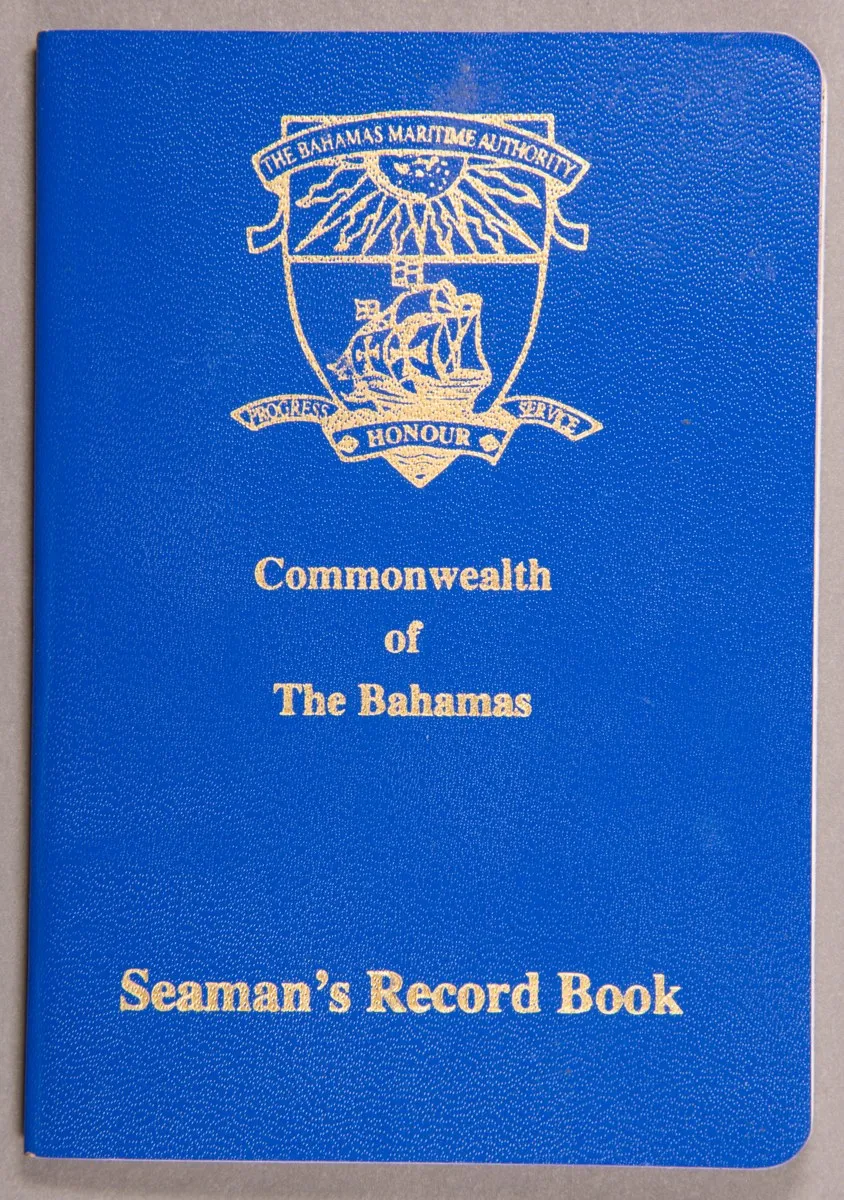
Read more on Crewboard: Malta makes the seaman's record book fully digital.
Cover photo: BIMCO House in Bagsværd, near Copenhagen, where the test took place. Photo from October 2009. Photo: BIMCO/Wikimedia Commons, CC BY-SA 4.0 (cropped).
Sources: Smart Maritime Network: BIMCO pilot demonstrates interoperability between digital seafarer certificate platforms (20 Oct 2026), Jeppe Skovbakke Juhl (BIMCO) on LinkedIn: Report from BIMCO interoperability pilot (15 Oct 2026), BIMCO: Technical guide for the interoperability pilot for digital seafarer certificate vaults (2026), BIMCO: Workshop, interoperability pilot of digital seafarer certificate vaults, 17 September 2026, BIMCO: Seafarer Digital Certificates Charter, BIMCO: BIMCO launches Seafarer Digital Certificates Charter (4 Jun 2026).