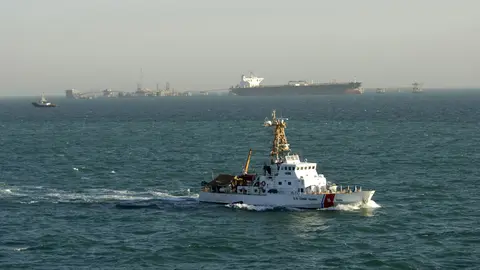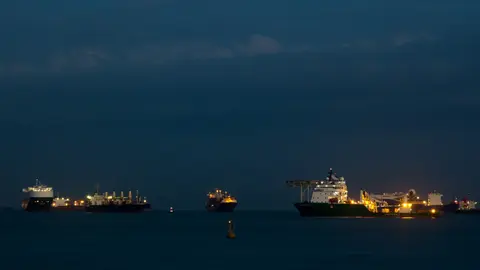
The Persian Gulf, the Strait of Hormuz and the Gulf of Oman stay a warlike area for seafarers. This now runs until 5 November 2026. The old list ended this area on 22 October. The new list was agreed on 15 October 2026.
The list comes from the IBF, the International Bargaining Forum. In the IBF, seafarers' unions in the ITF (International Transport Workers' Federation) and shipowner groups agree pay and conditions together. A committee of both sides decides which sea areas are dangerous. It sets what extra money and rights seafarers get there. The employers' group IMEC published the new list on its website.
What changed
Persian Gulf, Strait of Hormuz and Gulf of Oman: still a warlike area, now until 5 November 2026. This is the highest level. It has been in force since 6 March 2026.
Part of the Gulf of Oman near Ras al Hadd, Oman: still an extended risk zone, now until 5 November.
Waters up to 12 nautical miles off Israel and Lebanon: still an extended risk zone, now until 5 November. The same applies to Israeli Mediterranean ports and Lebanese ports.
Yemen, the southern Red Sea and the Gulf of Aden: no change. The Sea of Azov, the northern Black Sea and all Ukrainian ports: no change. These areas stay warlike areas until 23 November 2026. The wider Black Sea stays a high risk area until the same date.
For the extended risk zones, the list now says ships must use security measures from the latest BMP guidance. BMP means Best Management Practices for Maritime Security.
Further extensions need agreement from both sides of the IBF, the list says.
Why it matters now
Attacks on ships in the region have not stopped. The IMO counted 120 confirmed incidents in the Strait of Hormuz and the Middle East as of 22 October 2026. It also counted 24 seafarers killed. The newest cases on the IMO list are two ships damaged on 20 October. One was the tanker Soyia, 30 nautical miles south-east of Al Faw in Iraq. The other was the tanker Al Dasma in the Strait of Hormuz, hit for the second time.
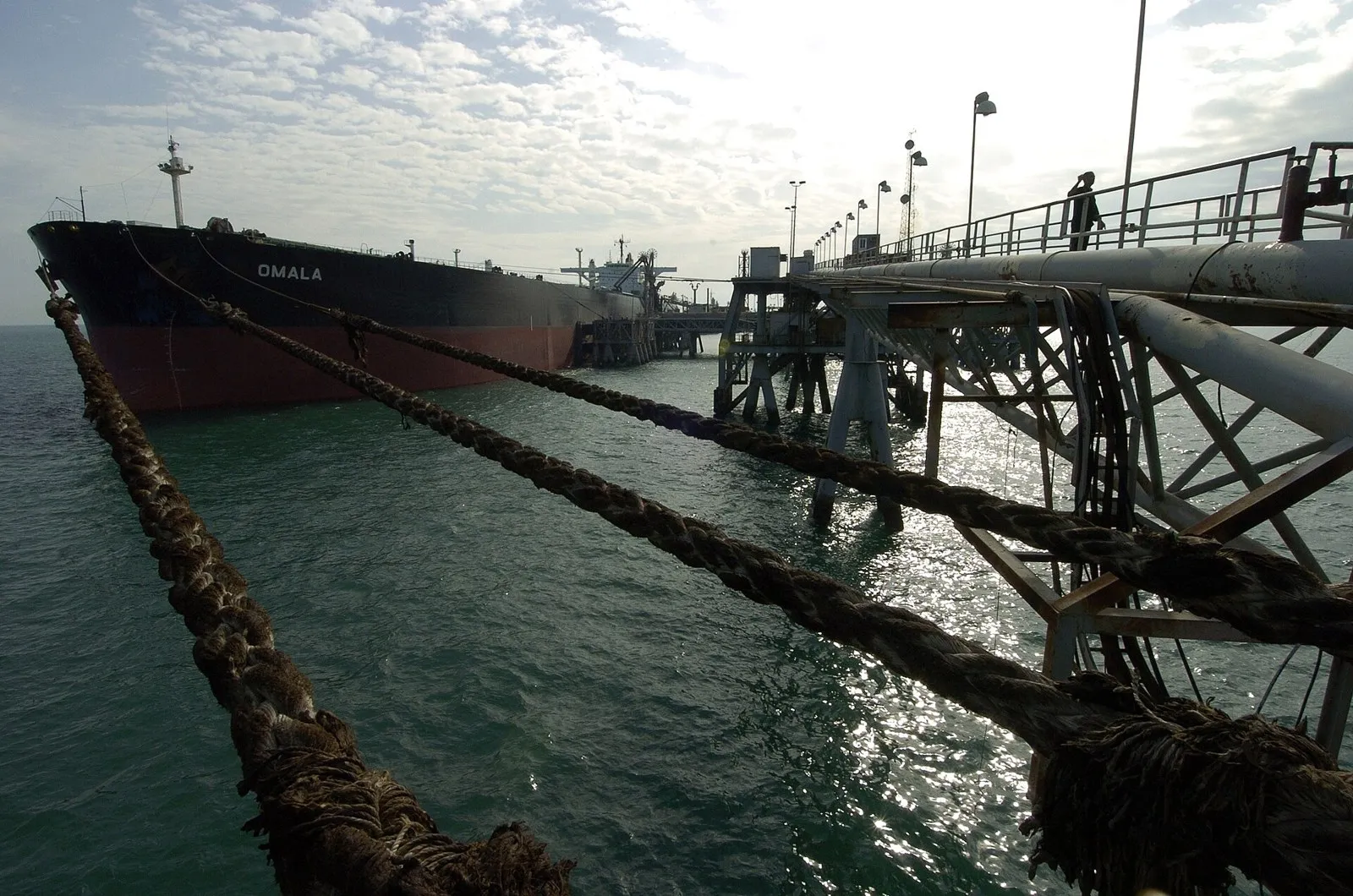
Your rights in a warlike area
These are the IBF rules for a warlike area. They apply on ships with an IBF collective bargaining agreement (CBA).
A bonus equal to your basic wage. It is paid for at least 5 days, and for every extra day the ship stays in the area.
Double compensation if you are killed or disabled.
The right to refuse to sail into the area. The company must then send you home at its own cost. You also get compensation of two months' basic wage.
The ship operator must use extra security, at the same level as ISPS Level 3. ISPS is the International Ship and Port Facility Security Code, and Level 3 is its highest level.
An extended risk zone gives less. The bonus and double compensation apply only on the day the ship is attacked. There is no right to refuse to sail there, IMEC says.
What to do now
Check your contract. Find out if your ship has an IBF agreement or another CBA. Other contracts may have different rules.
Is your ship going to the Gulf? Ask the master or your crewing agency about the bonus and your right to refuse. Do this before the ship enters the area.
If you want to refuse, tell the company in writing. Keep a copy.
If you have problems, contact your union or ITF Seafarer Support.
Some unions want more areas added. The Seafarers' Union of Croatia has asked, through the ITF, for war zone status off Romania and Bulgaria in the Black Sea. The Croatian news agency Hina reported this on 22 October. This sea is not on the IBF list now. A Croatian officer is among seven seafarers missing from the tanker Wine Trader there. Read our report.
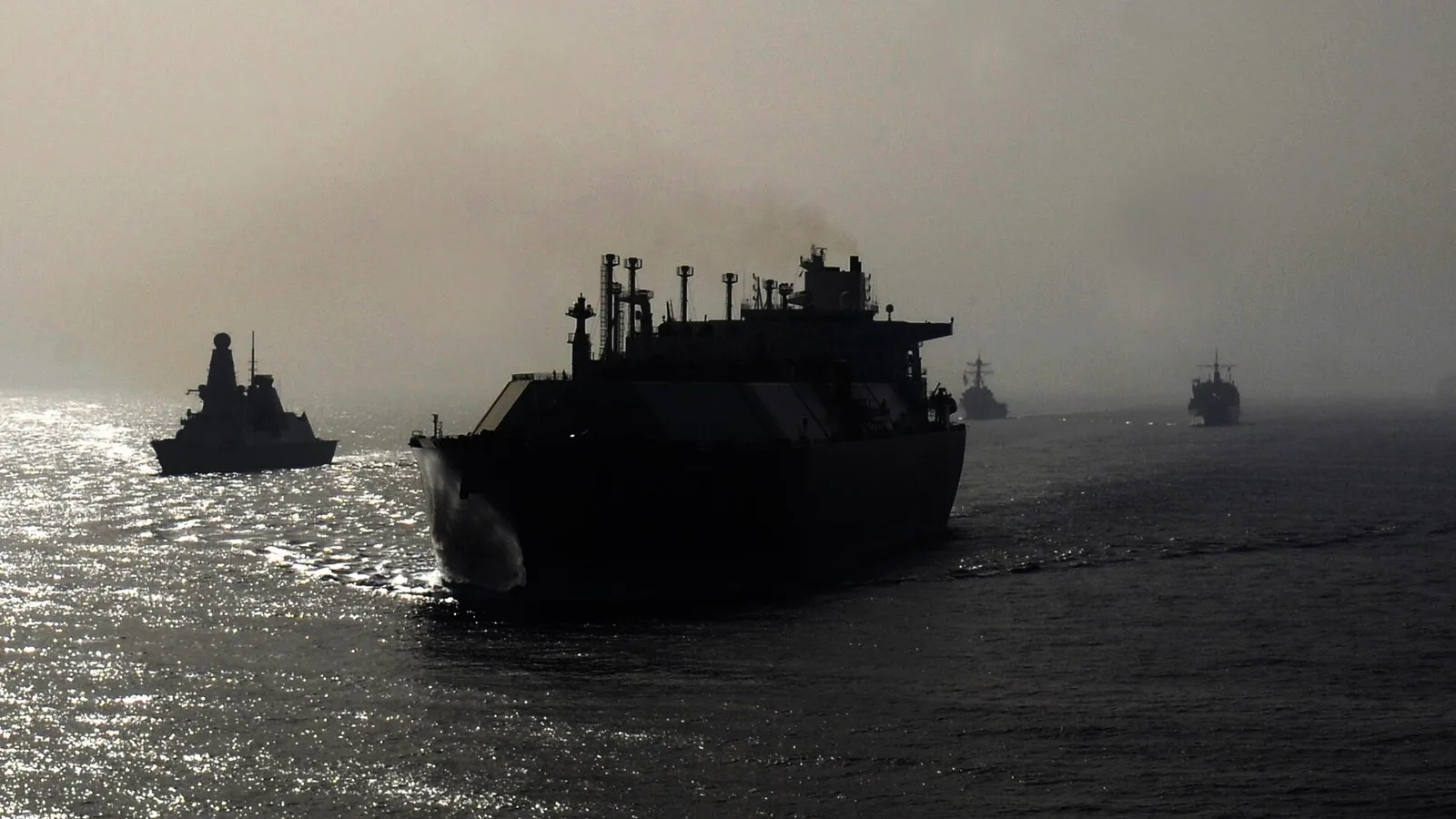
Cover photo: An LNG (liquefied natural gas) tanker sails with warships in a mine exercise in the Persian Gulf, 21 May 2013. Illustrative photo. Photo: MC2 Bryan Blair, U.S. Navy/Wikimedia Commons, public domain (cropped).
Sources: IMEC: IBF risk areas (list as of 15 October 2026, extended until 5 November 2026), IBF list of designated risk areas with applicable benefits, as of 15 October 2026 (PDF, via IMEC), IBF list of designated risk areas with applicable benefits, as of 1 October 2026 (PDF, via ITF Seafarers), IMO: Middle East – highlighted (confirmed) incidents (as at 22 October 2026), Hina: Seafarers' union seeks war zone status for Black Sea area off Bulgaria and Romania (22 Oct 2026).