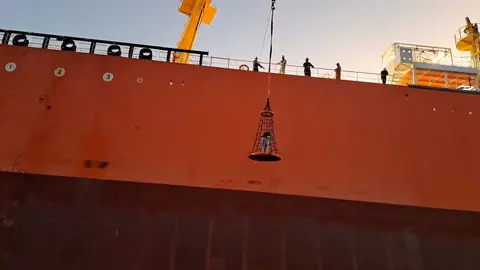
The Indian Coast Guard took a seriously ill junior engineer off the LPG carrier Nexor and brought him ashore at Vizhinjam, near Thiruvananthapuram in Kerala, the Indian newspapers Mathrubhumi, Madhyamam and The Times of India reported on 19 October 2026. The Equatorial Guinea-flagged ship was carrying liquefied petroleum gas (LPG). Accounts of its voyage differ: Madhyamam said it was sailing from China to Singapore, while The Times of India said it had come from Singapore to Sri Lanka and was anchored near Colachel, waiting for instructions for its onward voyage that were delayed by the high-risk situation in the Gulf.
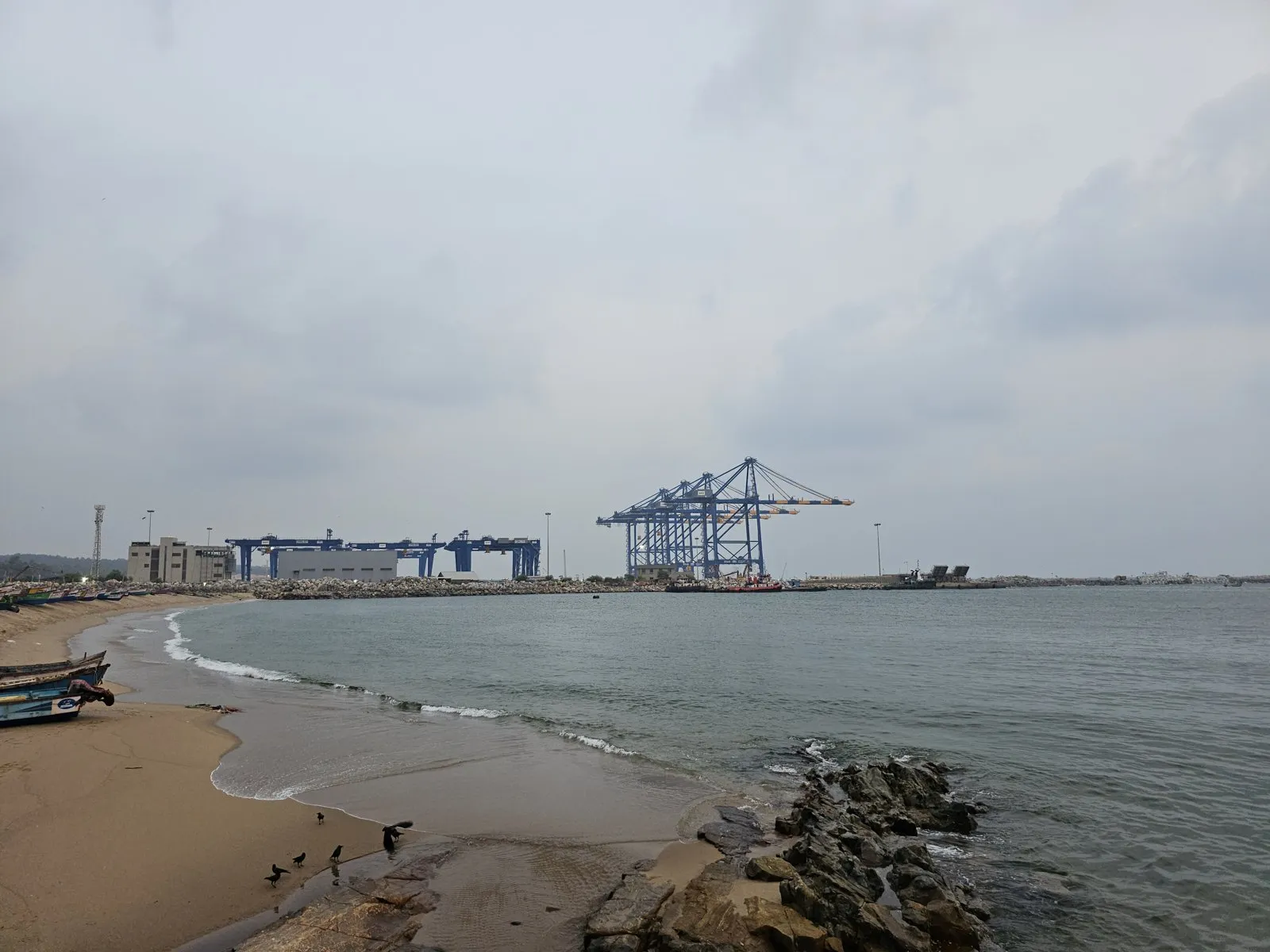
The engineer fell ill at about 5 pm local time on Sunday 18 October, while the ship was off Colachel, on the Tamil Nadu coast south-east of Vizhinjam. He had severe abdominal pain and passed blood in his urine. He was given painkillers on board, but they did not help, the reports said.
How the evacuation was arranged
The master asked for urgent medical help through the Maritime Rescue Coordination Centre (MRCC) in Mumbai. MRCC passed the request to the commander of the Coast Guard station at Vizhinjam. The purser of the Maritime Board at Vizhinjam and the ship's local agent, Waterline Shipping and Logistics of Thiruvananthapuram, were also informed.
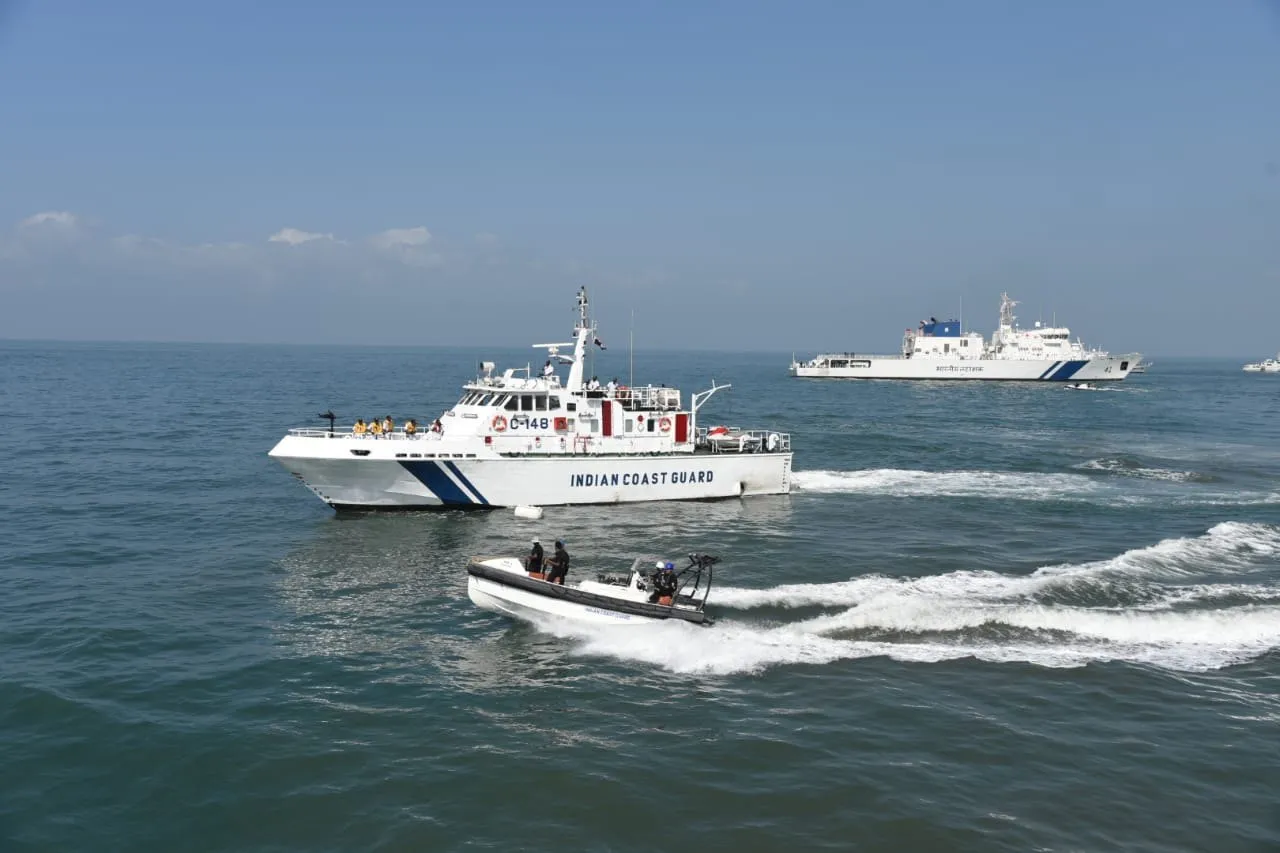
The Coast Guard sent its boat C-441 out together with a Maritime Board tug. Coast Guard personnel transferred the engineer from the ship to the boat and brought him to the Coast Guard jetty during the night. A Coast Guard doctor examined him, and he was then taken by ambulance to a private hospital.
He received treatment in time and is stable, The Times of India reported, quoting the ship's local agent. The Coast Guard had not published its own statement on the case when this article was written.
What helps when a crew member falls ill at sea
Every case is different, and the MRCC and the shore doctor lead. As general good practice, crews can help by doing the following:
Ask for medical advice early. Do not wait to see if strong pain or bleeding goes away by itself.
If the treatment on board is not working, tell the shore doctor and the MRCC straight away. That is often what starts an evacuation.
Write down the symptoms, when they started, vital signs and every medicine given, with times. Send a copy ashore with the patient.
Give the MRCC your position, course, speed and ETA, and be ready to alter course towards the nearest port or rescue boat.
Keep the ship's agent and company informed. They can arrange the ambulance, hospital and paperwork ashore.
Pack the patient's passport, seafarer's identity documents and own medicines before the transfer.
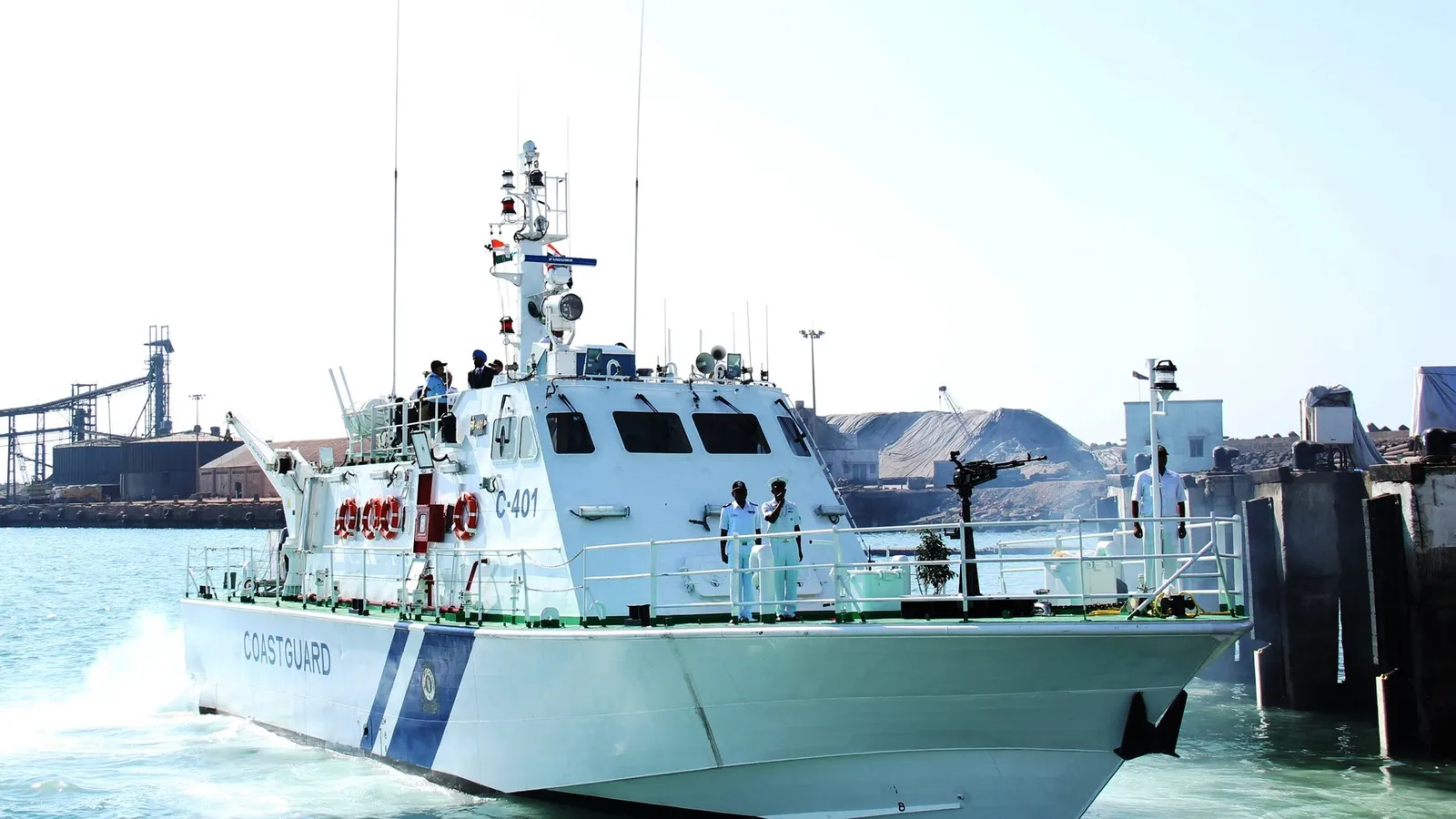
Cover photo: The Indian Coast Guard interceptor boat C-401 in harbour, December 2010. This is an illustrative photo, not the boat in this story. Photo: Indian Coast Guard/Wikimedia Commons, GODL-India.
Sources: Mathrubhumi: Night rescue off Vizhinjam: Coast Guard brings ailing ship's crew member ashore (19 Oct 2026, Malayalam), Madhyamam: Coast Guard rescues ailing ship crew member at Vizhinjam (19 Oct 2026, Malayalam), The Times of India: Crew member with severe pain evacuated from oil tanker off Vizhinjam (19 Oct 2026).