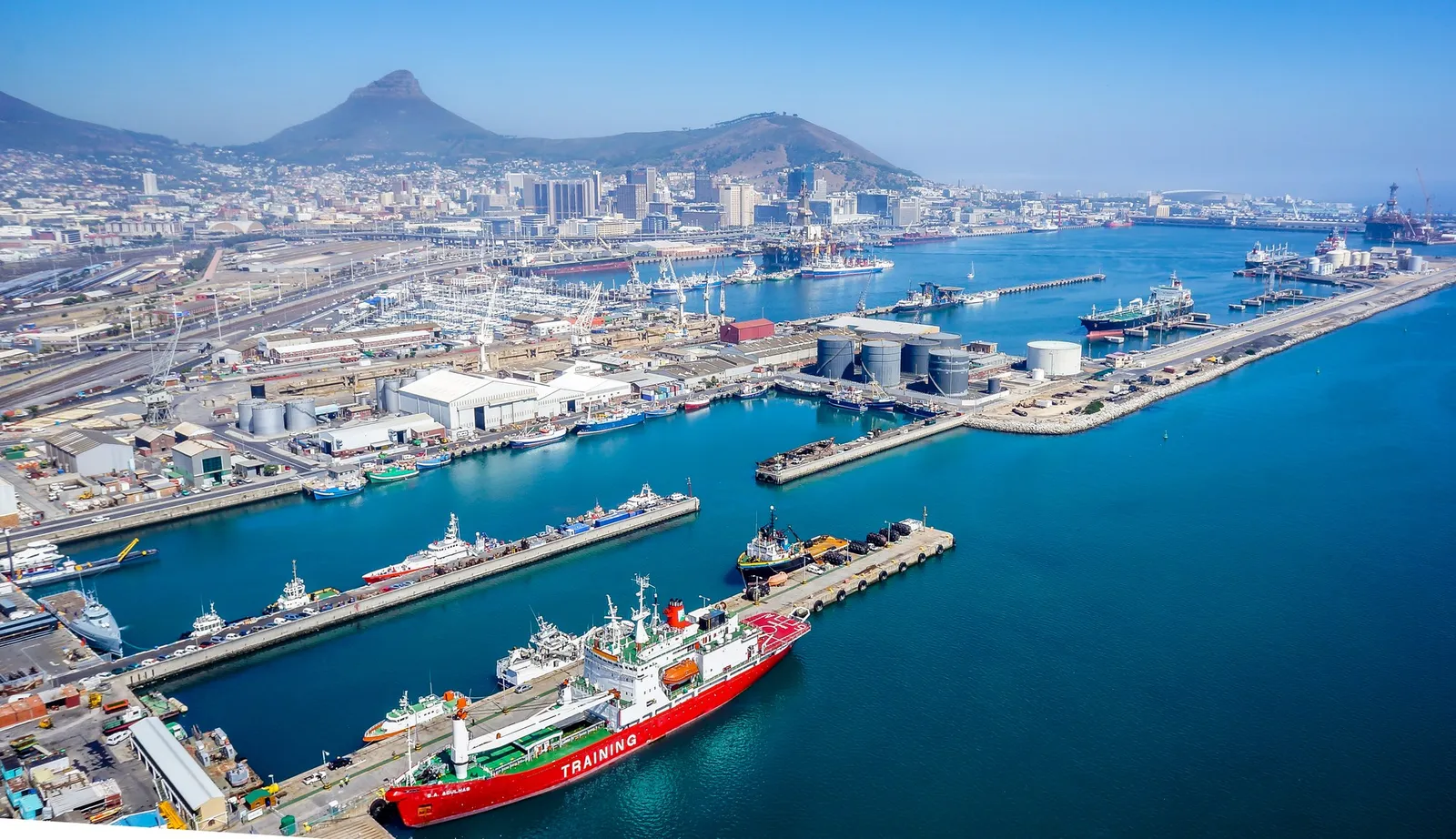
The National Sea Rescue Institute (NSRI) evacuated a seriously injured 30-year-old Filipino seafarer from a 229-metre cargo ship off Cape Town, South Africa, on Saturday 17 October 2026. The transfer took place 12 nautical miles offshore of the Port of Table Bay, in swells of 2.5 to 3 metres, at times exceeding 5 metres, NSRI said.
He was injured in an incident on board during the voyage. The ship and seafarer have not been named, and the cause has not been released. He was taken to hospital in a serious but stable condition and is recovering, according to NSRI.
Ship and shore worked together
On the evening of Friday 16 October, NSRI controllers began planning with the Maritime Rescue Coordination Centre (MRCC). The ship was far out at sea, on her voyage towards Singapore, and was asked to divert towards Table Bay.
Meanwhile, a Western Cape Government Health emergency medical services (EMS) duty doctor stayed in contact with the ship's medical crew and advised on the seafarer's treatment. Poor sea conditions were forecast for Saturday, so controllers worked with MRCC and Transnet National Ports Authority (TNPA) Port Control to find the safest window.
The NSRI Table Bay crew was activated at 11:44 on Saturday. The rescue craft DHL Deliverer and Spirit of Day launched at 12:00 with NSRI Maritime Extrication (MEX) crew. At the meeting point, the master manoeuvred his ship to create a lee against the swells so the rescue craft could come alongside.
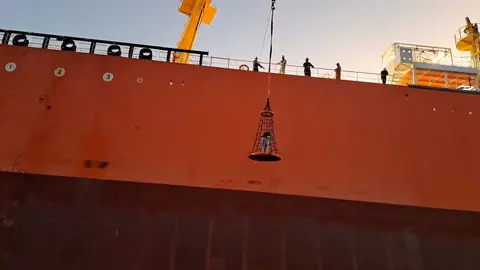
Two MEX crew boarded the ship and, with help from the ship's crew, set up a technical high-angle extrication system. The patient was secured in a Bauman Bag stretcher and hoisted onto the rescue craft. NSRI medics cared for him until EMS paramedics took over at the NSRI base. The operation ended at 16:26.
The Master of the ship and his crew are commended for their cooperation and assistance in this challenging operation. - NSRI statement
What helps a medevac succeed
Every case is different, and the MRCC and rescue service lead. As general good practice, crews can help by doing the following:
Follow the shore doctor's advice and keep a written record of the injury, treatment and medicines given. Send it ashore with the patient.
Keep communication open with the MRCC, by radio or through the ship's agent and company. Share the ship's position, ETA and on-scene weather.
Be ready to alter course and speed. A lee on the transfer side, as in this case, helps the rescue craft come alongside.
Prepare the transfer point: clear obstacles, rig access as the rescuers request, and brief the crew who will assist.
If possible, pack the casualty's passport, identity documents and personal medicines.
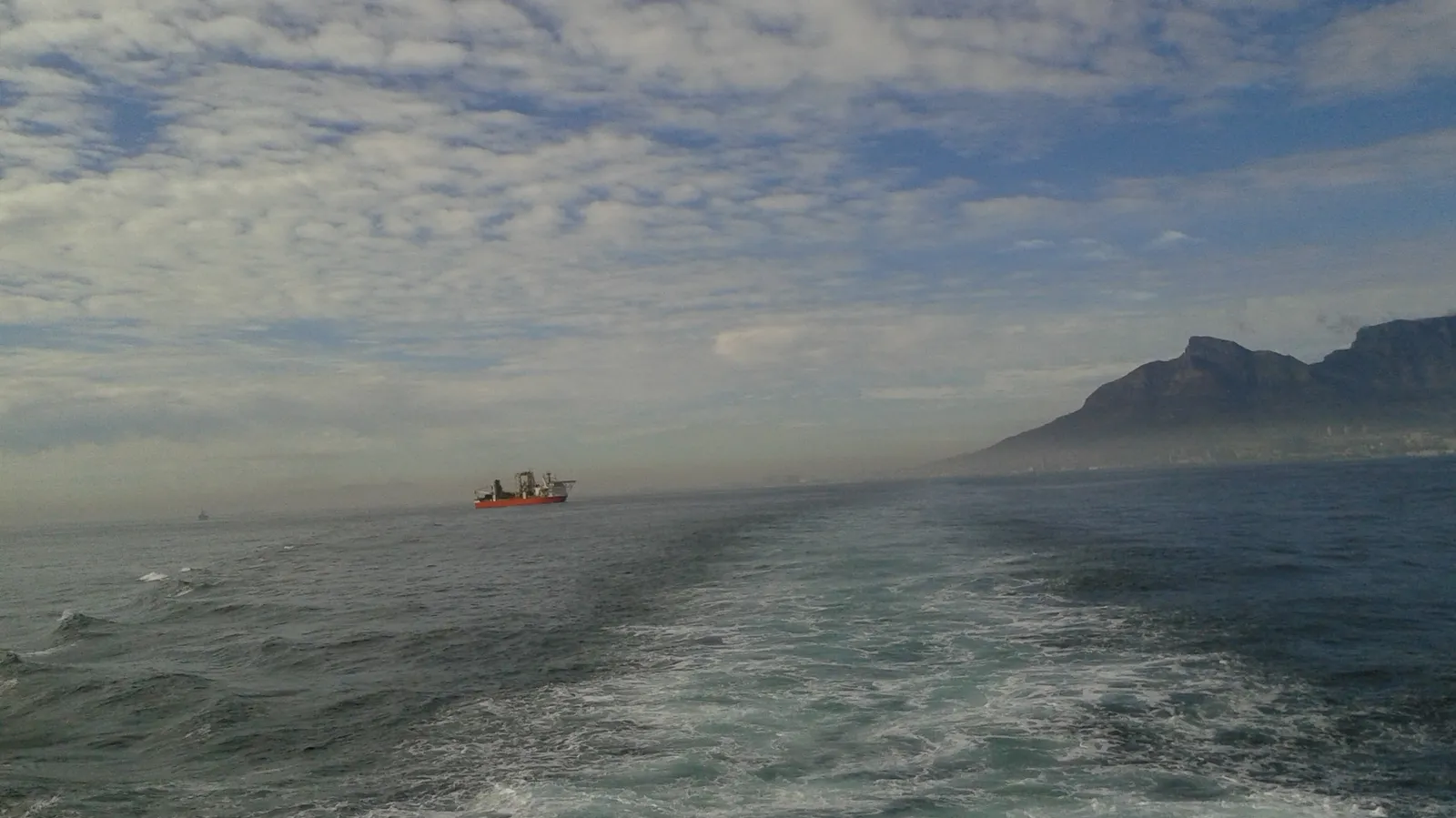
Cover photo: A cargo ship at sea off Cape Town with Table Mountain behind, September 2015. This is an illustrative photo, not the ship in this story. Photo: Aart Rietveld/Wikimedia Commons, CC BY-SA 4.0.
Sources: NSRI: NSRI Table Bay evacuates injured seafarer from cargo ship in rough seas, The Citizen: Injured Filipino seafarer rescued from cargo ship in 'complex' rescue (19 Oct 2026).