Two seafarers on tankers at anchor in Singapore were fined in court this year for flying drones without a permit. Both flew their drones for fun, close to Changi Airport. Singapore now uses their cases to warn all ship crews.
The Maritime and Port Authority of Singapore (MPA) sent the warning on 14 October 2026 in Port Marine Notice No. 136 of 2026. It went to the shipping, harbour craft and pleasure craft communities. The notice passes on a letter from the Civil Aviation Authority of Singapore (CAAS), dated 1 October.
The two cases
On 8 June 2026, a 46-year-old crew member of a Singapore-registered bunker tanker flew a drone at Eastern Petroleum Bravo Anchorage. The drone was 42.7 metres high and about 3.2 km from Changi Airport. He had no permit. The court fined him S$5,000. If he did not pay, he would go to jail for 10 days.
On 16 July 2026, a 42-year-old crew member of a foreign-registered tanker flew a drone at Eastern Petroleum Charlie Anchorage. The drone was 76 metres high and about 1.8 km from the airport. He also had no permit. The court fined him S$3,000, or six days in jail if he did not pay.
CAAS says drones, radio-controlled aircraft and remote-controlled kites over Singapore port waters can put aircraft in danger. It says it takes these cases seriously and will take action against offenders.
What the law says
Two Singapore laws cover drones: the Air Navigation Act 1966 and the Air Navigation (101 – Unmanned Aircraft Operations) Regulations 2019. Under them, it is an offence to fly a drone in a no-fly zone without a CAAS permit. Areas within 5 km of an airport are a no-fly zone. It is also an offence to fly a drone that should be registered but is not.
According to the CAAS letter, offenders can be fined up to S$50,000, jailed for up to two years, or both.
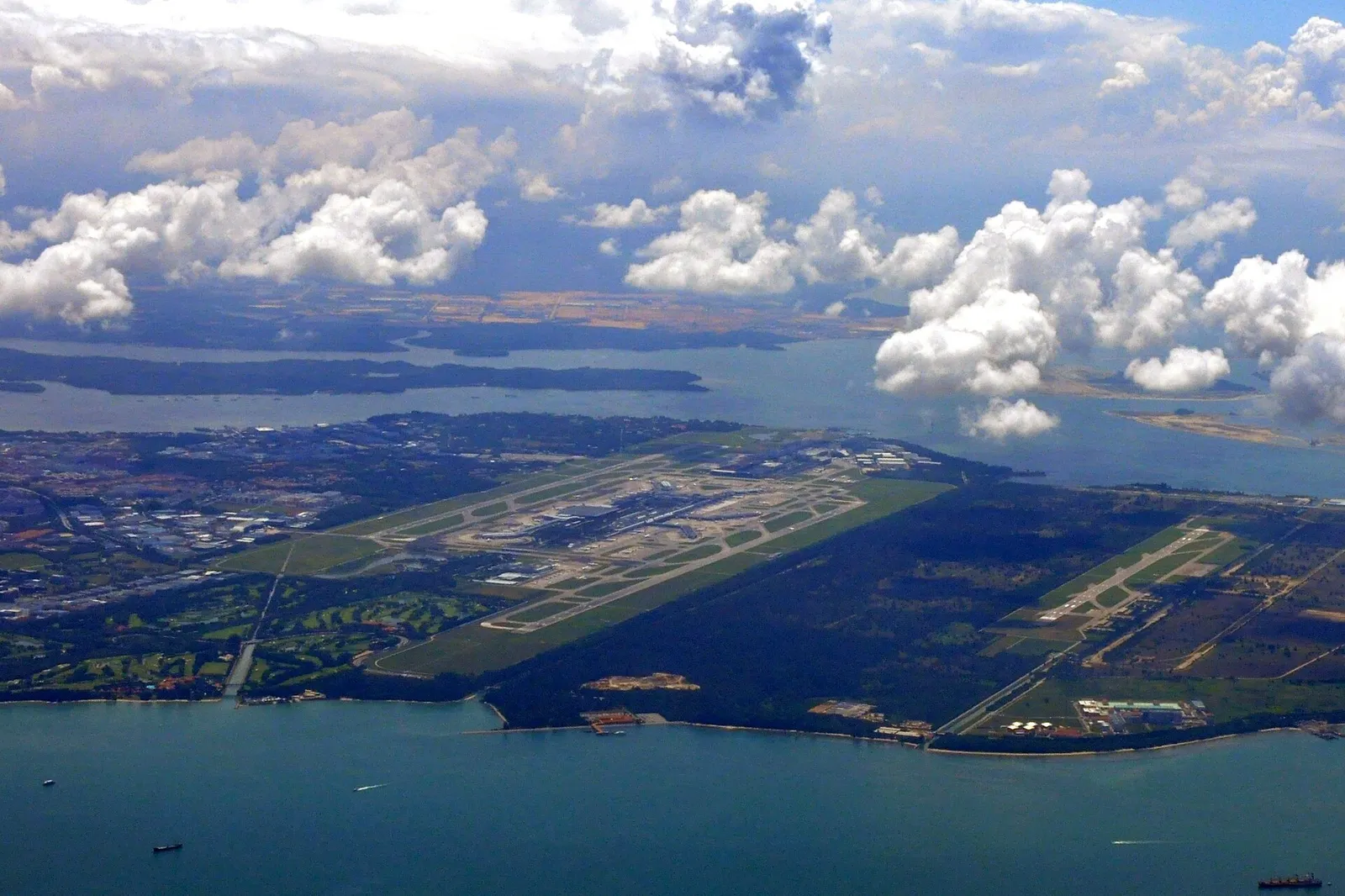
The 5 km zone around Changi Airport covers several anchorages in the east of Singapore's port, The Maritime Executive reported.
The main CAAS rules
These rules are on the CAAS website. They apply to everyone who flies a drone in Singapore, including foreigners.
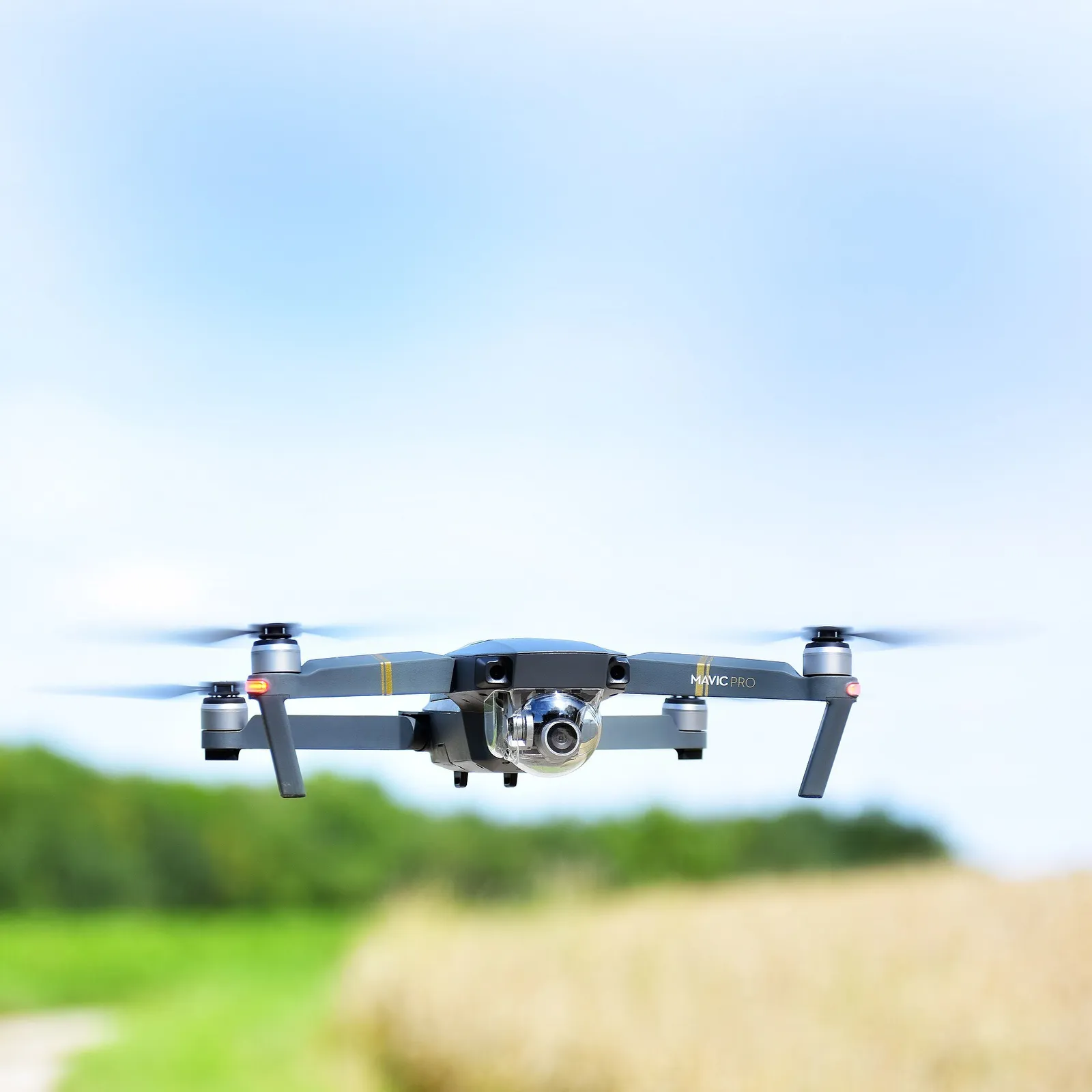
A drone heavier than 250 grams must be registered with CAAS. It must also send out a Broadcast Remote ID signal, which identifies the drone in the air.
You need a CAAS permit (a Class 2 Activity Permit) to fly within 5 km of any airport or military airbase.
You also need this permit to fly higher than 200 feet (about 61 metres) above mean sea level. This height counts from the sea, not from the ship's deck.
People without a Singapore Singpass account, such as foreign seafarers, can register a drone online with a UAPass account.
What it means for crews
Do not fly a drone from a ship in Singapore port waters until you have checked the CAAS rules. The rules also apply when the ship is at anchor.
Near Changi Airport, many anchorages are inside the 5 km zone. There you need a permit, even for a short flight for fun.
Remember that the ship's own height counts. A drone just above the bridge of a large tanker may already be high above the sea.
Masters and companies can include this warning in the port briefing for Singapore. Make sure every crew member who has a drone knows about it.
The CAAS website shows no-fly zones on its OneMap service. For questions about the notice, CAAS gives this email: caas_occ_cuas_duty_ops_controller@caas.gov.sg.
Read more on Crewboard:
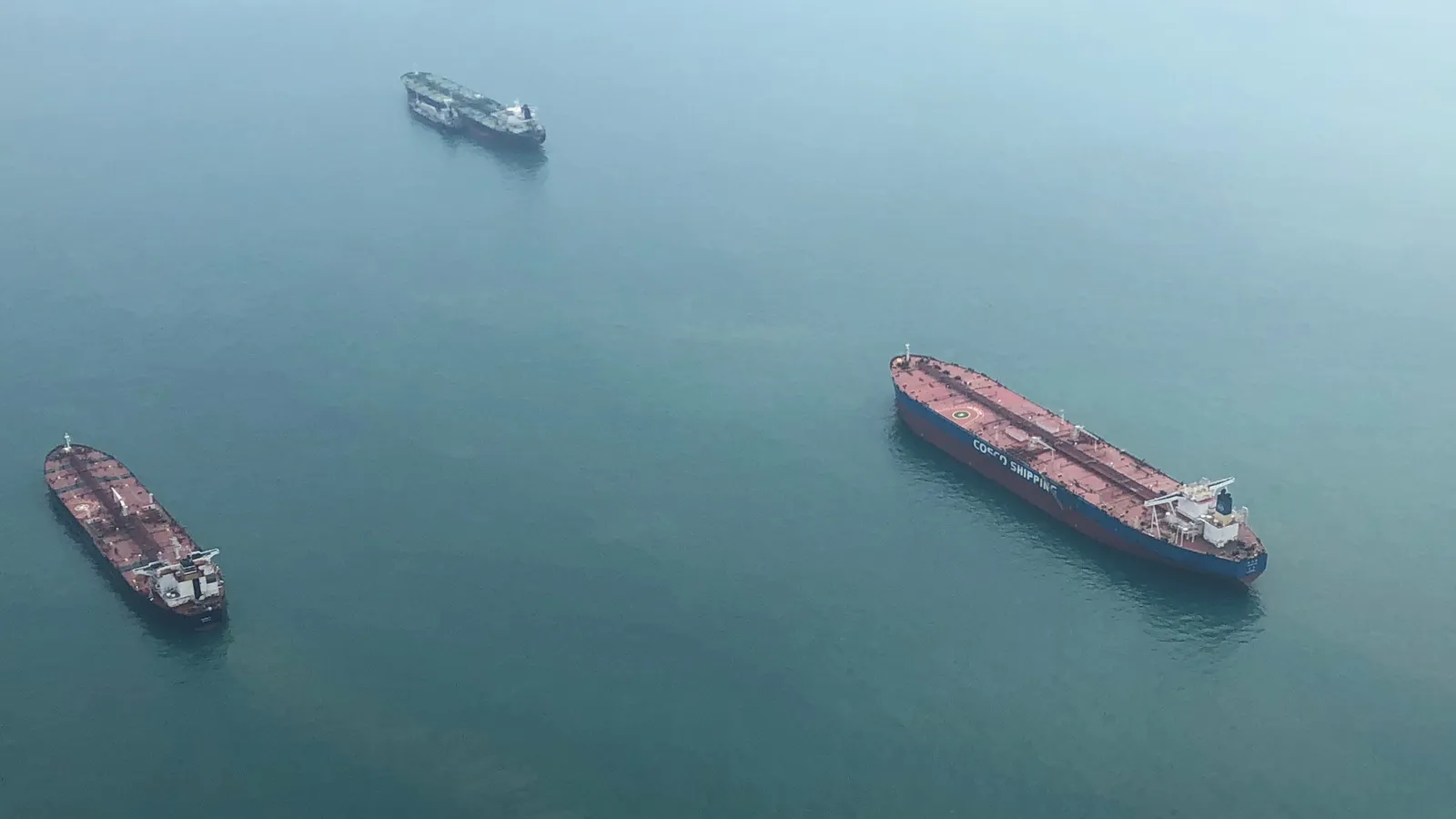
Cover photo: Ships in the Singapore Strait, just east of Singapore, seen from the air in November 2018. Illustrative photo, not the ships in this story. Photo: Bjoertvedt/Wikimedia Commons, CC BY-SA 4.0 (cropped).
Sources: MPA Port Marine Notice No. 136 of 2026: Operation of unmanned aircraft over Singapore port waters, with CAAS notice of 1 Oct 2026 (14 Oct 2026, PDF), MPA: Port Marine Notice No. 136 of 2026 (notice page), CAAS: Requirements for flying unmanned aircraft, CAAS: Unmanned aircraft registration and deregistration, CAAS: No-fly zones and UA flying areas, The Maritime Executive: In Singapore, improper drone use can mean fines or prison for seafarers (19 Oct 2026).