Pirates still hold the tanker Asana and its crew inside Somali waters, three months after the hijacking. EUNAVFOR Operation ATALANTA, the European Union's naval force against piracy off Somalia, gave the update on 16 October 2026. It also closed four other piracy cases from this year. These are the tankers Honour 25, Eureka and Sibu 1, and the cargo ship Sward.
The Asana case is still open
Pirates took the Tanzania-flagged tanker Asana on 17 July 2026, about 65 nautical miles southwest of Mukalla, Yemen. The ship was north of the IRTC (Internationally Recommended Transit Corridor), the protected shipping lane through the Gulf of Aden. It was carrying oil products to Bosaso, Somalia.
According to ATALANTA, up to 22 people were on board, and about half of them are from India. The ship is now inside Somali territorial waters, under the control of the pirate group. ATALANTA says it is monitoring the ship and is in contact with the owners, the flag states and Somali forces. Its weekly report for 9 to 16 October also says it continues to watch the case.
Post on X
Loading it connects to X, which may set cookies and see your visit. See our Privacy policy.
The post above from ATALANTA's official X account links to the full update on its website.
Four ships are free, but five seafarers died
The Palau-flagged tanker Honour 25 was hijacked on 21 April on its way to Mogadishu. It had up to 17 crew, most of them from Pakistan. On 29 September the Puntland Maritime Police Force (PMPF), a Somali regional force, moved to free the ship. ATALANTA says five crew members were killed and two were injured, citing official sources. The injured were landed at Bander Beyla on 30 September, and the rest of the crew at Bosaso on 4 October.
The cargo ship Sward, flagged in Saint Kitts and Nevis, was hijacked on 26 April on its way to Mombasa, Kenya. It had up to 15 crew, most of them from Syria. The pirates left the ship on 11 September. The crew were safe, and the ship has reached Mombasa.
The Togo-flagged tanker Eureka was taken on 2 May while at anchor off Qana port in Shabwa, Yemen. It had 12 crew, eight of them from Egypt. On 29 September the pirates left and ran the ship aground on purpose. The crew went ashore and later flew home from Mogadishu. The PMPF now controls the ship.
Six armed men boarded the tanker Sibu 1 on 20 August. It was about 136 nautical miles east of Mukalla, in the Gulf of Aden. They took it towards Somalia. On 25 September the PMPF retook the ship, and all crew were safe. According to official sources, up to 21 suspected pirates were arrested, one was killed and four were injured.
What it means for crews
Piracy off Somalia is not over. In September ATALANTA counted seven piracy cases since April 2026, with more than 100 seafarers held captive. Eureka was taken at anchor off Yemen, and Asana north of the protected corridor. Several of the hijacked ships were tankers carrying oil products to Somali ports.
Follow BMP Maritime Security, the industry's Best Management Practices for ships in high-risk areas. Keep a good lookout, also at anchor.
Report any suspicious approach at once to MSCIO (Maritime Security Centre Indian Ocean) and to UKMTO (UK Maritime Trade Operations). MSCIO can be reached at postmaster@mscio.eu or +33 298 220 220.
Know your ship's citadel plan. In September pirates boarded the cargo ship Glamor. The crew had stopped the ship and shut down its systems. Then they went into the citadel, a locked safe room. The pirates left when naval forces headed to the area, and all crew were safe.
The threat level for the Gulf of Aden, Bab el-Mandeb and southern Red Sea is SUBSTANTIAL, according to MSCIO. This is because of recent Houthi attacks on ships, not piracy alone.
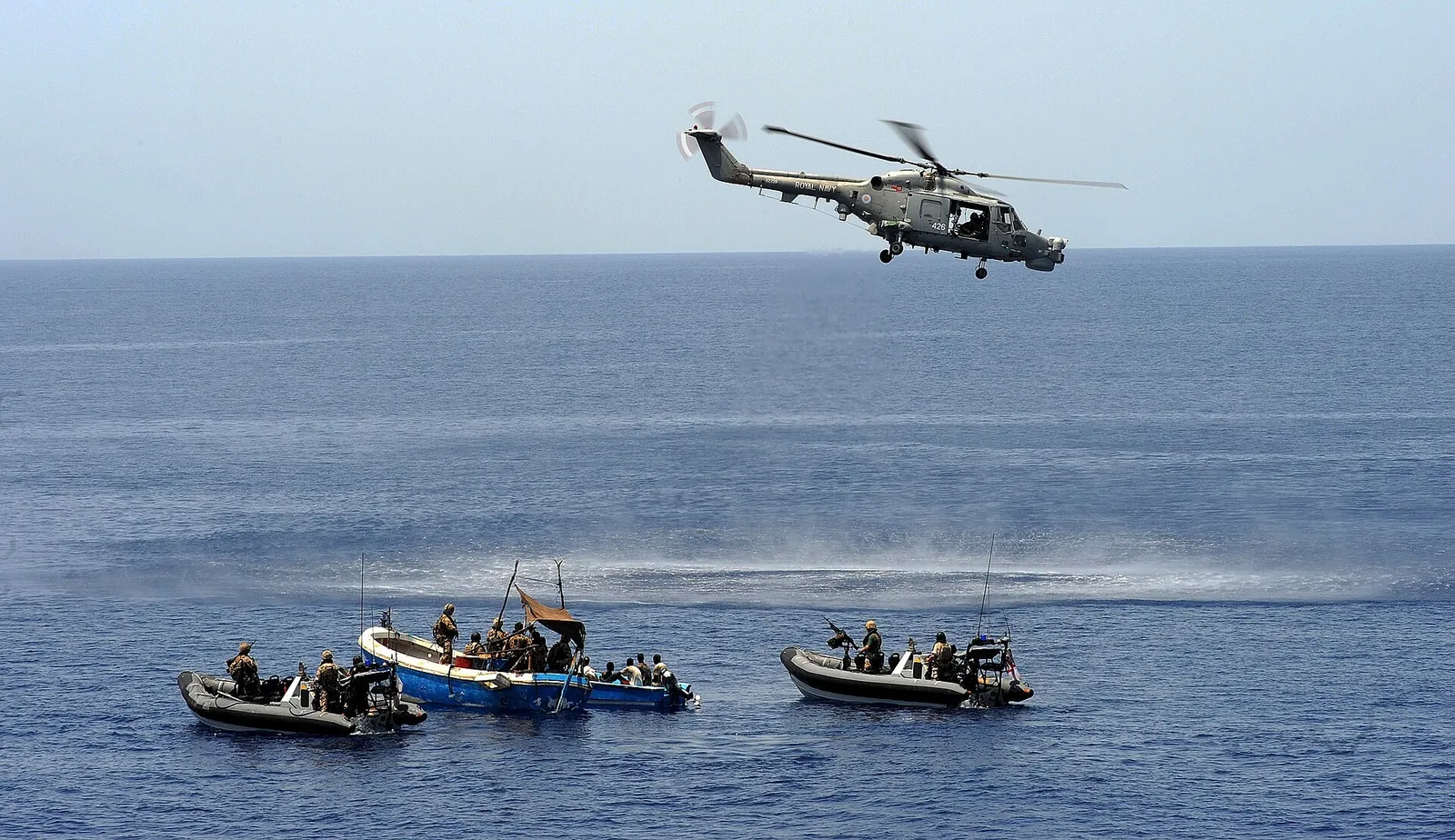
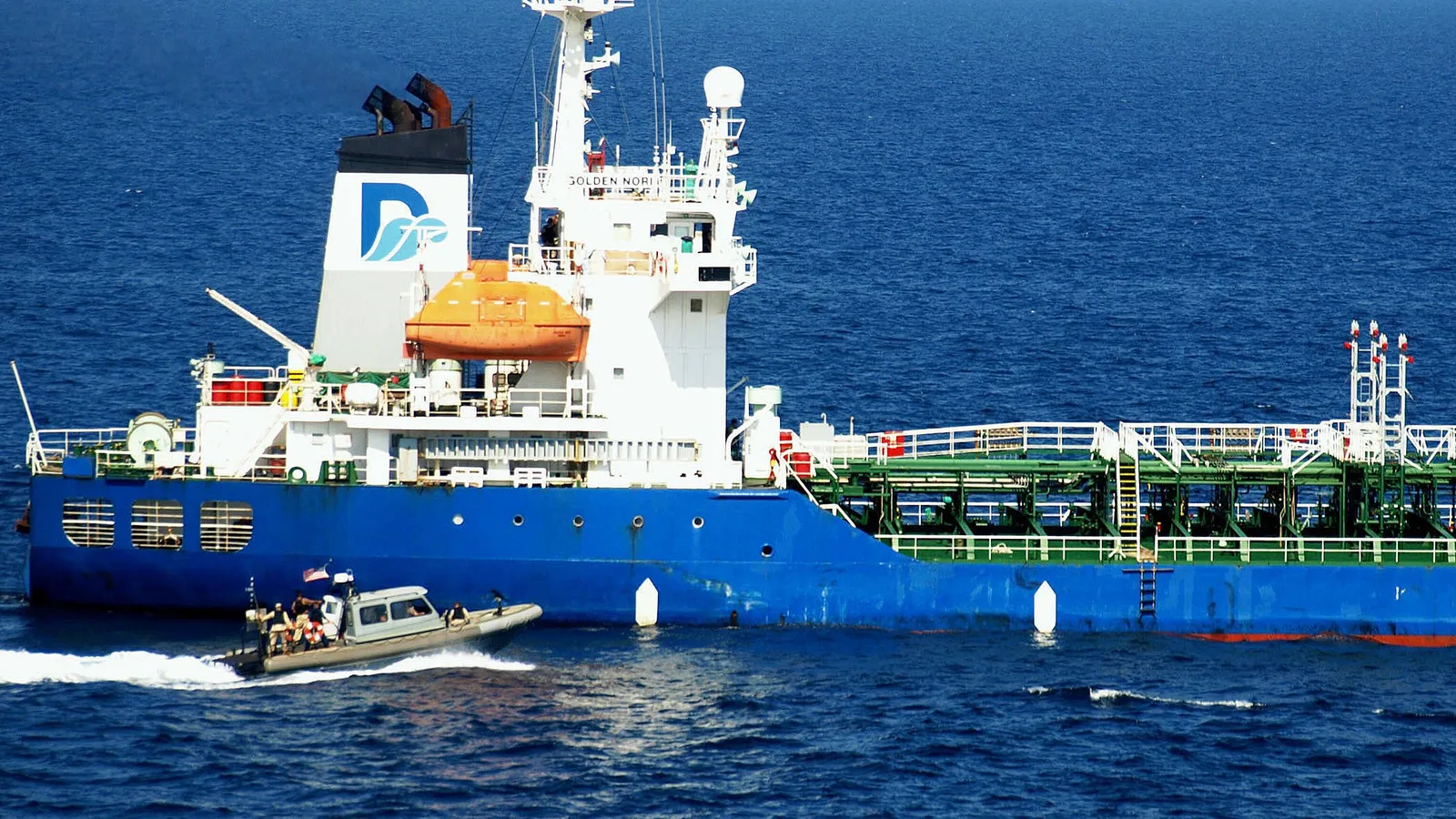
Cover photo: A US Navy boarding team approaches the Japanese chemical tanker Golden Nori in the Gulf of Aden in December 2007. Somali pirates had just released the ship. The photo is illustrative and does not show any ship in this story. Photo: Lt. j.g. Deanna Fisher/U.S. Navy, public domain.
Sources: EUNAVFOR ATALANTA: Update on the piracy incidents off the northern coast of Somalia (16 Oct 2026), EUNAVFOR ATALANTA: Update of the ongoing piracy incidents off the northern coast of Somalia, EUNAVFOR ATALANTA: Resolution of a piracy incident in the Gulf of Aden (MV Glamor), MSCIO ATALANTA weekly report, 9–16 October 2026, EUNAVFOR on X (16 Oct 2026), SAFETY4SEA: Four vessels freed from Somali pirates as Asana remains hijacked (19 Oct 2026).