Seafarers are a little less happy than three months ago. This is the result of the new Seafarers Happiness Index for the third quarter of 2026. That is July to September.
The charity The Mission to Seafarers runs this survey. Seafarers answer ten questions about life on board. They give each area a score from 0 to 10. They can also write comments. The new report is on the survey website.
The main numbers
The total score fell to 6.81 out of 10. It was 6.87 in the second quarter. This is the third fall in a row. The highest score in the last year was 7.26, at the end of 2025.
Six of the ten areas got worse. Four got better.
Shore leave: 5.46, down from 5.72. This is the lowest score of all.
Internet and contact with home: 6.89, down from 7.46. This was the biggest fall.
Wages: 6.56, down from 6.86.
Welfare services ashore: 6.47, down from 6.56.
Food: 7.12, down from 7.14.
General happiness: 7.02, down from 7.11.
Contact with other crew: 7.7, up from 7.49. This is now the highest score.
Training: 7.28, up from 6.97. This was the biggest rise.
Health and exercise: 7.24, up from 7.14.
Workload: 6.38, up from 6.2.
Shore leave: allowed, but not possible
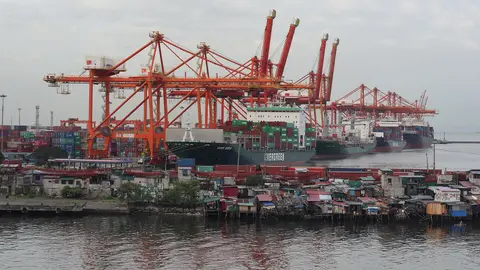
Many seafarers say shore leave is allowed on paper. But in practice they cannot go. Port stays are short. Terminals are far from town. There is security, paperwork and no transport.
One seafarer reported no shore leave in four contracts in a row. Each contract was five to six months long.
Port calls are the busiest time on board. Cargo work, inspections, bunkering, repairs and paperwork all come at once. Bunkering means taking fuel on board. Some seafarers reported 80-hour work weeks. Some said work and rest records were changed.
Internet: more access, but not enough
Many ships now have internet. But seafarers say data limits are too small. Some say it costs too much. Some must watch their data all the time when they talk to their family.
The report also tells about a problem with data cards. One seafarer bought a data card and sent a few messages home. Later the whole balance was gone. The provider said the correct login had been used. It refused to give the money back. The seafarer thought a crewmate had used it.
Wages: same pay, more work
Many seafarers say their pay has not changed for years. But the work is harder. One person works on an LNG tanker and gets no extra money for the higher risk. LNG means liquefied natural gas. Another works on a dual-fuel ship and also got no rise.
Who is less happy
Seafarers on contracts longer than nine months.
Chief engineers and second officers. They have more paperwork and pressure.
Crews on container ships. They have very short port calls.
The report says crews look after each other very well. But it warns that good crews must not hide problems that employers and ports should fix.
What you can do
Take part in the survey. It is free. You can fill it in at seafarershappinessindex.org.
Before you join a ship, ask about internet. Ask how much data you get, what it costs and if it is private.
Do not share your internet login or data card code. Change your password if you can.
Write down your real working and rest hours. Keep a copy for yourself.
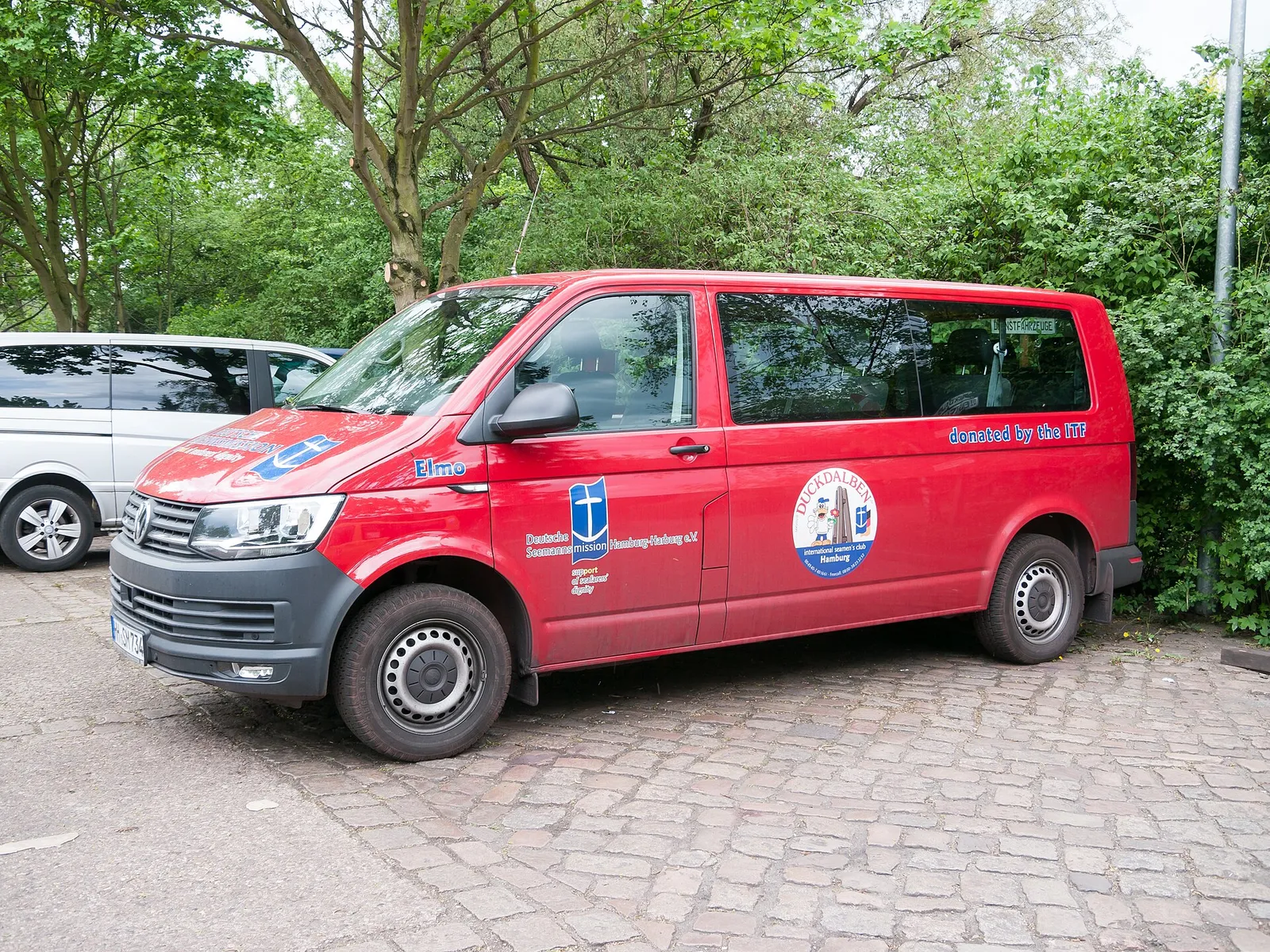
Ask the port agent or a seafarers' centre about free transport to town. Some seafarers' centres have a minibus.
If you need help at sea, contact SeafarerHelp. Phone +44 20 7323 2737 or email help@seafarerhelp.org.
Some countries are trying to protect shore leave. Read our report on Australia's new rules for port inspectors.
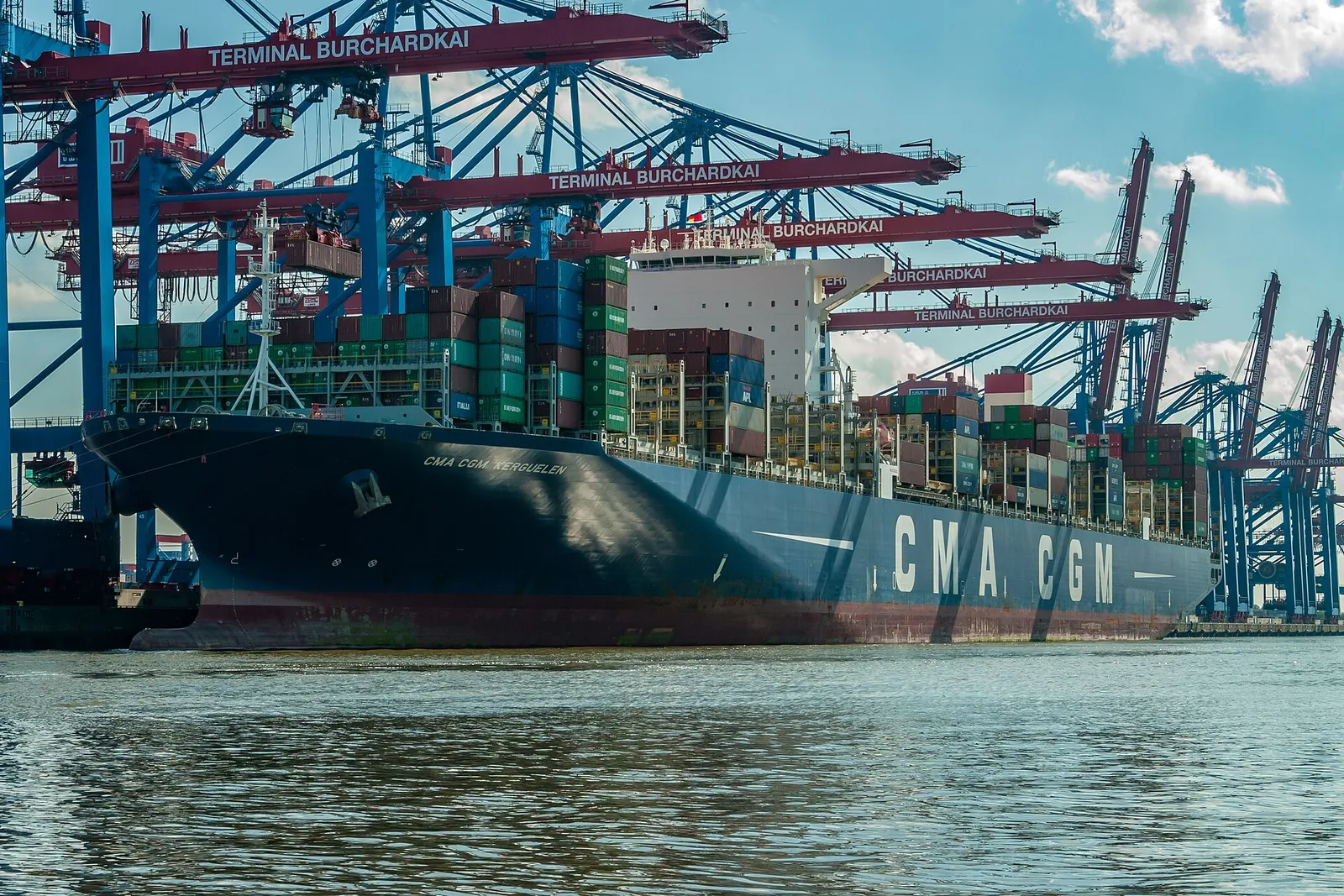
Cover photo: The container ship CMA CGM Kerguelen at the Burchardkai container terminal, port of Hamburg, Germany, April 2019. Illustrative photo. Photo: Matti Blume/Wikimedia Commons, CC BY-SA 4.0 (cropped).
Sources: The Mission to Seafarers: Seafarers Happiness Index, Quarter 3 2026 (PDF report), Seafarers Happiness Index website: latest Q3 2026 score and survey, The Mission to Seafarers: Seafarers Happiness Index reports.