Two German maritime groups have published a free guide for shipping companies about women on board. The groups are WISTA Germany and the association Frauen zur See (Women at Sea). The guide gives practical advice on hiring women seafarers, keeping them safe and helping their careers.
WISTA is the Women's International Shipping and Trading Association. The guide was presented in Hamburg in early October 2026. It is written for shipowners, ship managers and crewing companies. Its title is "Best Practice Guide for the Recruitment and Integration of Women on Board". Anyone can download it free from the WISTA Germany website.
WISTA Germany says the guide includes the views of people who work at sea and people who work ashore. Its aim is to bring more women into seafaring and keep them there for the long term.
What the guide recommends
The guide covers the whole working life. It starts with hiring and the first ship. It then looks at life on board, promotion and long careers. The maritime news site Safety4Sea reported the main points. The guide names several problems. These include unfair hiring, few female role models, poor facilities on board and unequal chances of promotion.
Its main advice for companies, as reported by Safety4Sea:
Hiring: write job adverts that do not favour men or women. Choose people by their skills. Work more closely with maritime schools.
First ship: give a briefing before the seafarer joins. Explain clearly how to report a problem. Name contact persons on board and ashore.
Crew: where possible, put at least two women on the same ship. This helps them support each other.
Harassment: allow no bullying, sexual harassment or discrimination. Offer confidential ways to report, including anonymous ones. Offer contacts ashore, outside the ship's chain of command. Investigate reports independently and protect the people who report.
Training: give regular training on respectful behaviour and on how to step in when you see harassment. Senior officers and shore managers should be held responsible.
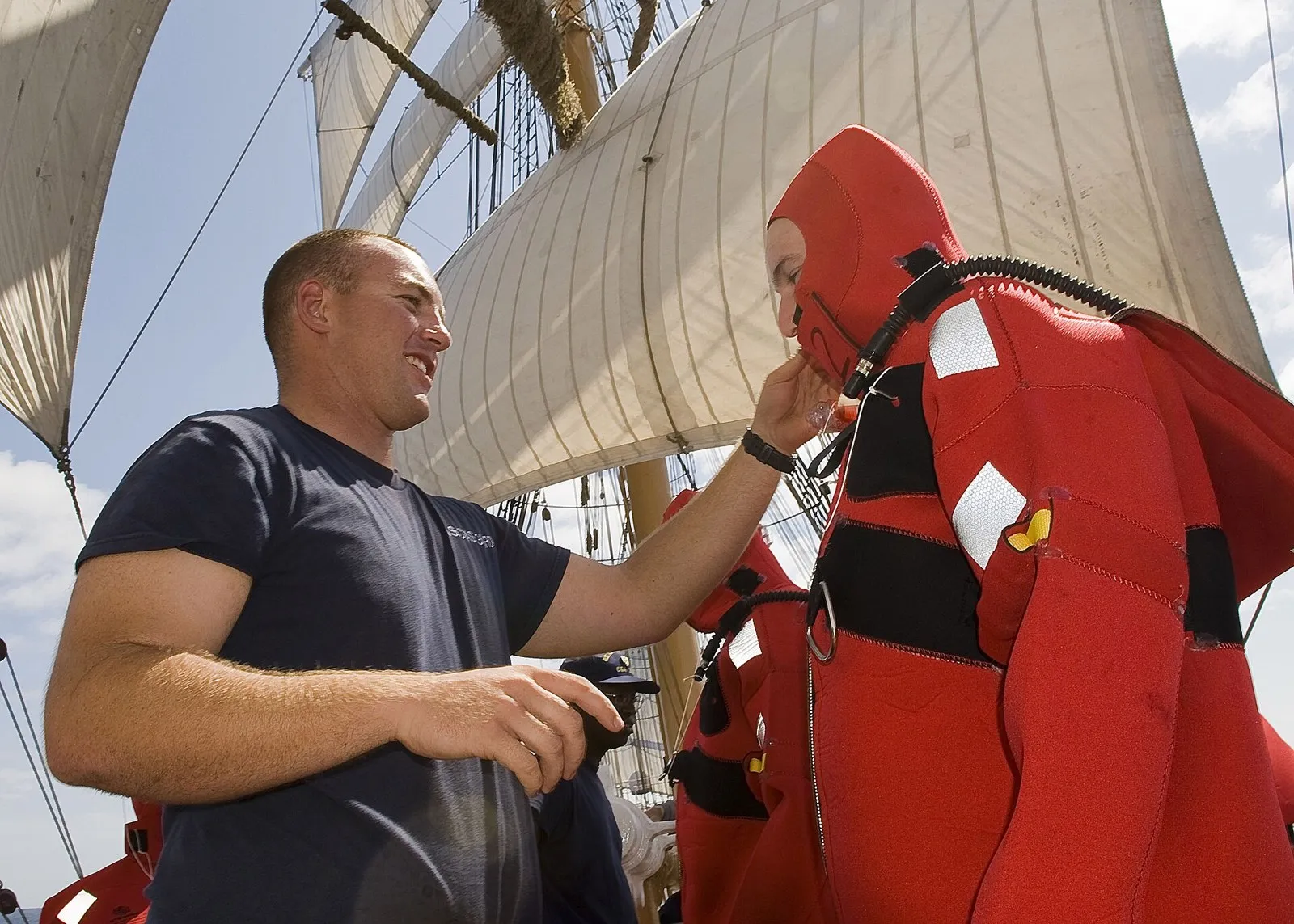
Safety gear: have personal protective equipment (PPE) in the right sizes before the seafarer joins. This means overalls, gloves and safety shoes. Lifejackets, immersion suits and firefighting gear should also fit the people on board.
Daily needs: provide menstrual hygiene products, enough privacy and suitable medical supplies.
Careers: use clear promotion rules. Share tasks and training fairly. Offer mentoring and regular talks about careers.
Family and long careers: offer more flexible rotation, parental leave and support after a long break. This includes help to renew a Certificate of Competency (CoC).
The guide also asks companies to check their progress. For example, they can count women by ship type and rank. They can also follow how many women stay and how many are promoted. Anonymous surveys and exit interviews can show gaps between company rules and real life on board. The advice is voluntary.
Why it matters
According to Safety4Sea, the guide points to research on bullying and harassment at sea. The research shows that women seafarers face much more of it than men. Fear for their job or career can stop them from reporting it.
Training on this subject is now required. Since 1 January 2026, STCW basic training includes how to prevent and respond to violence and harassment. This covers sexual harassment, bullying and sexual assault. It is part of the course on personal safety and social responsibilities, the IMO says.
Where seafarers can get help
If you face bullying, harassment or assault on board, you can get help. These services are free and confidential:
ISWAN SeafarerHelp: a helpline for seafarers and their families, open 24 hours a day in many languages. Call +44 20 7323 2737, or use live chat or WhatsApp on its website.
Safer Waves: a charity that supports seafarers after sexual harassment or sexual assault. Email support@saferwaves.org. It says it gives support within three days.
Frauen zur See: the association offers confidential talks with other women seafarers. Email info@frauenzursee.de or call +41 43 333 21 05. It says this is not psychological counselling.
WISTA Germany and Frauen zur See also made a one-page list of 24-hour helplines for seafarers.
The MLC is the Maritime Labour Convention. Under the MLC, every ship must have a procedure for crew complaints on board. You can also complain ashore.
What crewing managers can do now
Download the guide and compare it with your company's rules.
Check PPE and survival suit sizes before a seafarer joins the ship.
Tell every new crew member who their contact persons are, on board and ashore.
Make sure crew can report problems outside the ship's chain of command, and that people who report are protected.
Check that your crew's STCW basic training includes the new harassment competence.
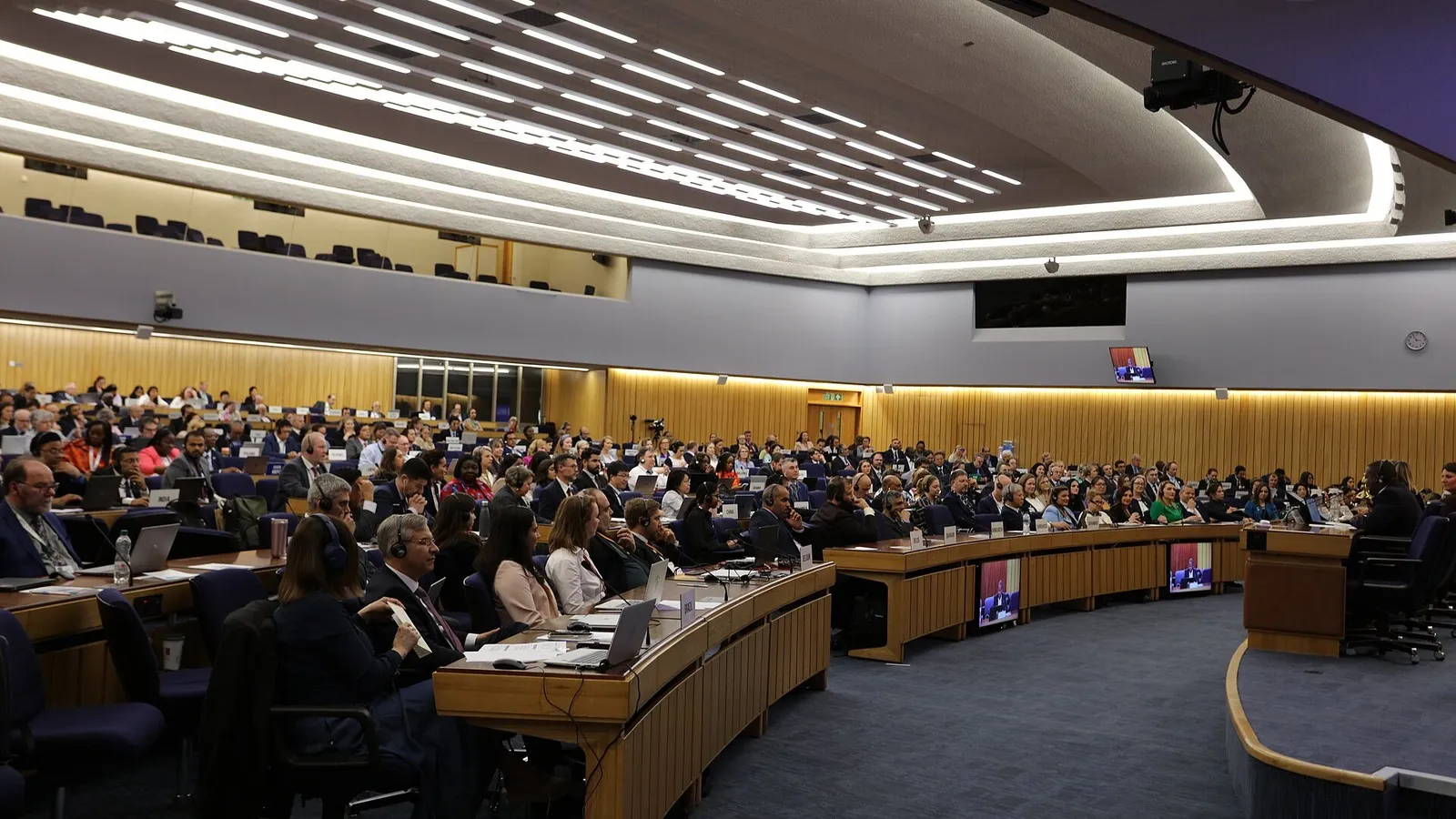
Cover photo: Delegates in the main hall of the IMO in London during the International Day for Women in Maritime symposium on 17 May 2024. Illustrative photo, not from the Hamburg launch of the guide. Photo: International Maritime Organization (imo.un)/Wikimedia Commons, CC BY 2.0 (cropped).
Sources: WISTA Germany: Publications – Best Practice Guide "Recruitment and Integration of Women on Board" (download page), Safety4Sea: WISTA Germany issues new guidance to improve integration of women at sea (20 Oct 2026), Logistics Pilot: WISTA Germany publishes a guide (21 Oct 2026), HANSA: WISTA und "Frauen zur See" legen Leitfaden für mehr Diversität an Bord vor (7 Oct 2026), IMO: Raft of shipping rules in force from 1 January 2026 (STCW training on harassment and bullying), ISWAN: SeafarerHelp, Safer Waves: support for seafarers, Frauen zur See: Hilferuf (help for women at sea), WISTA Germany and Frauen zur See: Seafarers Helplines 24/7 (flyer), ILO: Maritime Labour Convention, 2006 (Regulation 5.1.5, on-board complaint procedures).