
Skills England, the UK government's skills body, has decided to keep the Seafarer (Deck Rating) apprenticeship, reversing a proposal to withdraw it. The decision was welcomed on 15 October 2026 by the union RMT, which represents seafarer ratings, the UK Chamber of Shipping and Port Skills and Safety (PSS), which represents the ports sector on skills.
Skills England had proposed retiring the apprenticeship because of low enrolment, Splash247 reported, and a consultation closed on 30 September. Seafarers, employers, unions and training providers opposed the plan. The Skills England website now lists the standard as approved for delivery and available for new starts.
Other maritime apprenticeships also kept
According to the UK Chamber of Shipping, Skills England is keeping five maritime apprenticeship standards: Seafarer Deck Rating, Small Commercial Vessel Crew Member, Officer of the Watch 500gt Near Coastal, Marine Pilot, and a boatyard operative apprenticeship. Splash247 reported that the Officer of the Watch, Marine Pilot and Small Commercial Vessel Crew Member apprenticeships had also faced proposals to withdraw them.
The Chamber said Skills England confirmed that evidence from employers, training providers, trade unions and sector bodies informed its decision. The Chamber, the Merchant Navy Training Board and the British Tugowners Association were among the organisations that made the case for keeping them.
What the apprenticeship involves
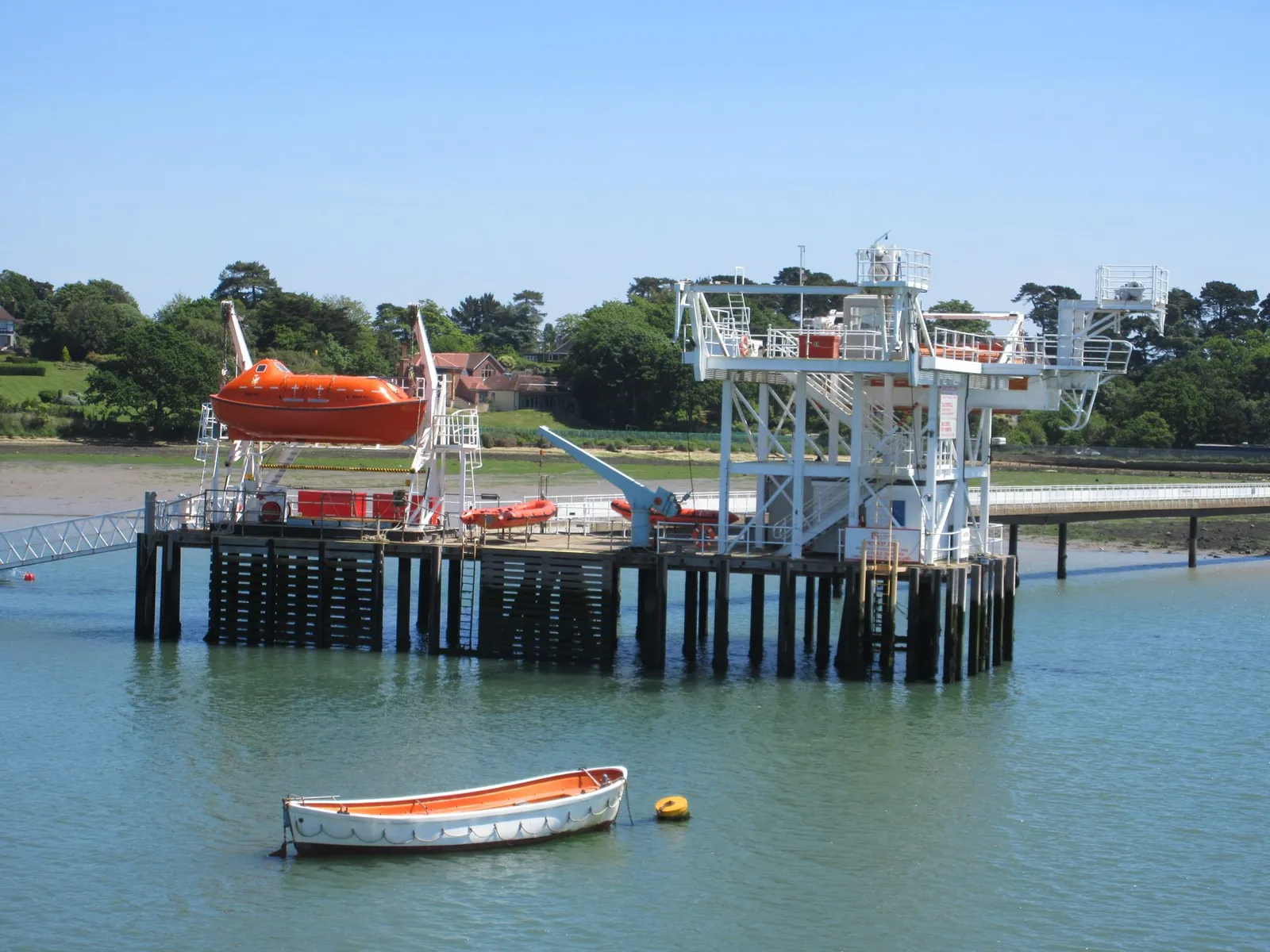
The Level 2 Seafarer (Deck Rating) apprenticeship was approved in August 2015 and typically lasts 18 months, not counting the final assessment. Apprentices learn to keep a navigational watch, moor and anchor, maintain deck equipment and steelwork, and respond to emergencies, including firefighting, first aid and handling survival craft and rescue boats.
Its mandatory qualifications include the STCW basic safety courses, security awareness and designated security duties, entry into enclosed spaces, a steering certificate, and proficiency in survival craft and rescue boats. Apprentices also gain Maritime and Coastguard Agency (MCA) Navigational Watch Rating and Efficient Deck Hand (EDH) certificates, which include two and six months of sea time. Every apprentice must pass strict medical standards.
After the apprenticeship, ratings can go on to an MCA Able Seafarer (Deck) certificate, which needs a further 12 months of sea time.
What unions and employers say
RMT estimates that more than 600 UK-resident deck ratings have been trained through the apprenticeship. The union says it designed the scheme in 2015 with government, maritime colleges and employers including Stena Line and the Royal Fleet Auxiliary.
RMT general secretary Eddie Dempsey said the union "strongly welcomes the fact that Skills England has listened" and called on the industry to increase training and jobs for seafarer ratings. He said there is no shortage of people willing to start a career at sea, particularly in deprived coastal towns and cities.
Post on X
Loading it connects to X, which may set cookies and see your visit. See our Privacy policy.
In the post above, RMT's official X account shares its statement welcoming the decision and links to the full text on its website.
A UK Chamber of Shipping spokesperson called the decision "excellent news for our industry and for the people looking to build rewarding careers within it". In its 2026 Budget Submission, the Chamber has asked for Skills England to be properly resourced to support maritime apprenticeships.

What it means for crews and employers
Anyone hoping to start at sea as a deck rating through a UK employer that uses the apprenticeship can still do so. New starts are open.
The apprenticeship leads to recognised STCW and MCA certificates. Skills England says passing it, with the mandatory qualifications, means the seafarer can work on any type and size of vessel anywhere in the world.
For those aiming higher, the Officer of the Watch 500gt Near Coastal apprenticeship also stays.
The full standard, with duties, qualifications and the maximum funding band of 10,000 pounds, is on the Skills England website.
Employers who want to train UK ratings can ask a maritime college or training provider which apprenticeships they deliver.
Cover photo: A Stena Line ferry passes North Stack near Holyhead, Wales, April 2022. Illustrative photo. Photo: Colin Park/Wikimedia Commons (Geograph), CC BY-SA 2.0 (cropped).
Sources: RMT: RMT welcomes Skills England decision to protect vital maritime apprenticeships (15 Oct 2026), UK Chamber of Shipping: Industry welcomes decision to retain key maritime apprenticeships (15 Oct 2026), Port Skills and Safety: PSS welcomes retention of maritime apprenticeships (15 Oct 2026), Splash247: UK reverses plans to scrap seafarer apprenticeship (16 Oct 2026), Skills England: Seafarer (deck rating) apprenticeship standard ST0274 v1.1, RMT: RMT warns of threat to seafarer apprenticeships (25 Aug 2026), RMT on X (15 Oct 2026).