Nearly one in five seafarers say they faced psychological harassment on board in the past year. This includes bullying. The figure comes from a new survey of 6,210 seafarers by the Diversity Study Group (DSG), Splash247 reported on 25 November 2026.
DSG is a group that helps maritime companies with diversity and fair treatment at work. It presented its 2026 data at its annual conference in London on 18 and 19 November. DSG says this was a record number of seafarer answers.
What the survey found
Men were 67% of the seafarers who reported sexual harassment. Women were only 2.4% of all seafarers in the survey.
Women still face much more harassment. 40.3% of women reported psychological harassment, compared with 18.6% of men.
29% of women reported sexual harassment or assault. This is seven percentage points more than last year.
81% of the people who reported sexual harassment had also faced psychological harassment.
Women were 19.2% of the cadets in the survey, up from 12.4% last year.
Nationality was the biggest concern linked to who people are. Seafarers often complained about different pay for the same job. They also named differences in bonuses, contract length and chances of promotion.
Training helps, but trust in careers is falling
More seafarers now get training on diversity, equity and inclusion (DEI). The share rose from 63% in 2024 to 82.4% this year.
Among trained seafarers, 18.3% reported psychological harassment. Among those without training, it was 27.2%.
But fewer seafarers now believe they can move up in their careers. Middle-ranking seafarers were the least likely to recommend their employer.
DSG asks companies for independent and confidential ways to report problems. It also wants senior officers to be held responsible for how people are treated. Seafarers in the survey asked for a "non-shouting and non-blaming culture" on board.
What to do if you are bullied or harassed on board
Write down what happened as soon as you can: the date, time, place, who was there and what was said or done. Keep messages and photos.
Use the ship's complaint procedure. Under the MLC, you must get a copy of it together with your employment contract. Ask for it if you do not have it.
The copy must give the contact details of the flag state authority. It must also name a person on board who can advise you in confidence.
You always have the right to complain directly to the master. Where you think it is needed, you can also complain to authorities ashore.
You can bring another seafarer with you when you make the complaint. The MLC says nobody may punish you for a genuine complaint.
If the problem is with the master, contact your company or the flag state. You can also contact your union or the ITF.
For free and confidential support at any time, contact SeafarerHelp by phone (+44 20 7323 2737), WhatsApp, live chat or email. It is open 24 hours a day, every day, in many languages.
If you see a crewmate being bullied, talk to them in private. Offer to be a witness or to come with them when they complain.
The complaint rules are in MLC Regulation 5.1.5 on on-board complaint procedures. ISWAN also has a free handbook on speaking up and getting help on board. In India, women seafarers can use a new committee for sexual harassment complaints. Union and ITF contacts are on Crewboard useful links.
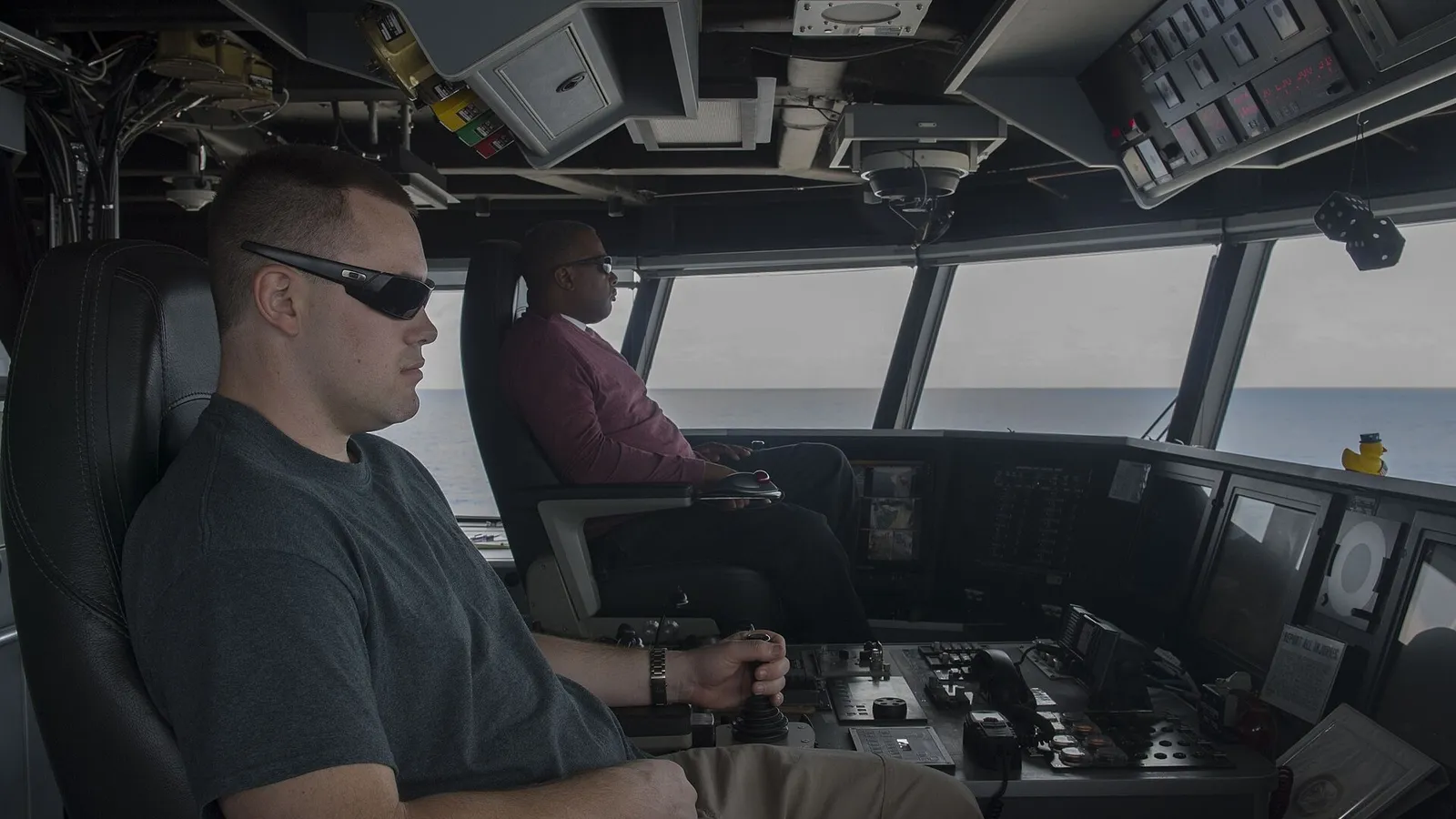
Cover photo: Third Mate Josh Hempel and Able Seaman Michael Lee on bridge watch aboard USNS Spearhead in the Atlantic, April 2016. Illustrative photo, not from the survey. Photo: U.S. Naval Forces Europe-Africa/U.S. 6th Fleet/Wikimedia Commons, public domain (cropped).
Sources: Splash247: Men account for two-thirds of sexual harassment reports at sea (25 Nov 2026), Diversity Study Group: 5th Annual DEI in Maritime Conference, 18-19 November 2026, with 2026 survey data, MLC 2006: Regulation 5.1.5, Standard A5.1.5 and Guideline B5.1.5, On-board complaint procedures, ISWAN: SeafarerHelp, free 24-hour helpline for seafarers and families.
How we choose, write and correct our articles: editorial policy.