The Council of the International Maritime Organization (IMO) has called for better protection of seafarers. The Council met at IMO Headquarters in London from 2 to 6 November 2026. It said that seafarers must be protected wherever they are and whatever their nationality. This is stated in an IMO press briefing of 6 November.
The IMO Council is the group of member states that runs the work of the IMO between its larger Assembly meetings. This was its 138th session. Victor Jimenez of Spain chaired it.
What IMO says about the Middle East
IMO has verified at least 130 attacks on commercial ships in the region since the conflict in the Middle East began. IMO says 25 seafarers have been killed. Thousands of seafarers are still at risk, including crews on ships that cannot leave the Persian Gulf.
The 25th death was a Filipino seafarer. He died after an attack on the tanker Velos Sapphire on 5 November. We wrote about the Velos Sapphire attack and the Filipino crew.
IMO Secretary-General Arsenio Dominguez spoke about the human cost. In his words, seafarers "continue to lose their lives, suffer serious injuries, face abandonment, are denied repatriation and are deprived of basic human necessities, including water, food and medical care".
The Council asked member states not to take unlawful actions that put seafarers and ships in danger. Dominguez said he will look for more concrete measures to prevent more deaths. He said this in his closing remarks. He will report back at the next Council session.
Red Sea, Black Sea and piracy
The Council strongly condemned attacks by the Houthis on merchant ships and their crews. These attacks happen in the Red Sea and the Bab al-Mandab Strait. The Houthis are an armed group in Yemen.
The Council also condemned Russian attacks on merchant ships, seafarers, ports and rescue services. These attacks hit the special shipping corridor for Ukraine's ports in the Black Sea. In October, we reported that the Black Sea has become the deadliest sea for seafarers in 2026.
The Council also noted more piracy and armed robbery in the Western Indian Ocean and the Gulf of Aden. There have been 17 attempted or actual attacks there since the start of 2026. Countries in the region work together on this under the Djibouti Code of Conduct, a regional agreement against piracy.
What it means for crews
The IMO statement does not change any rules on board. But it shows that attacks on ships are still going on in several regions. If your next contract takes you to one of these areas, prepare well.
Before you sign, ask the crewing agency where the ship will trade. Ask if it will pass the Strait of Hormuz, the Persian Gulf, the Red Sea or the Black Sea.
Ask what your contract or collective agreement says about high-risk areas. Check for extra pay, extra insurance, and your right to refuse to sail and go home.
On board, follow the ship's security plan and your company's instructions. Know where the safe muster point is and take part in the drills.
In the Middle East and the Indian Ocean, ships report incidents to UKMTO (UK Maritime Trade Operations). Its emergency phone is +44 2392 222060, and its email is watchkeepers@ukmto.org.
Tell your family which areas the ship will pass. Give them the phone number of your crewing agency.
If you are stuck on a ship, are not paid, or cannot go home, contact your union, the ITF or a seafarer help line.
You can find official help lines and other contacts for seafarers on our useful links page.
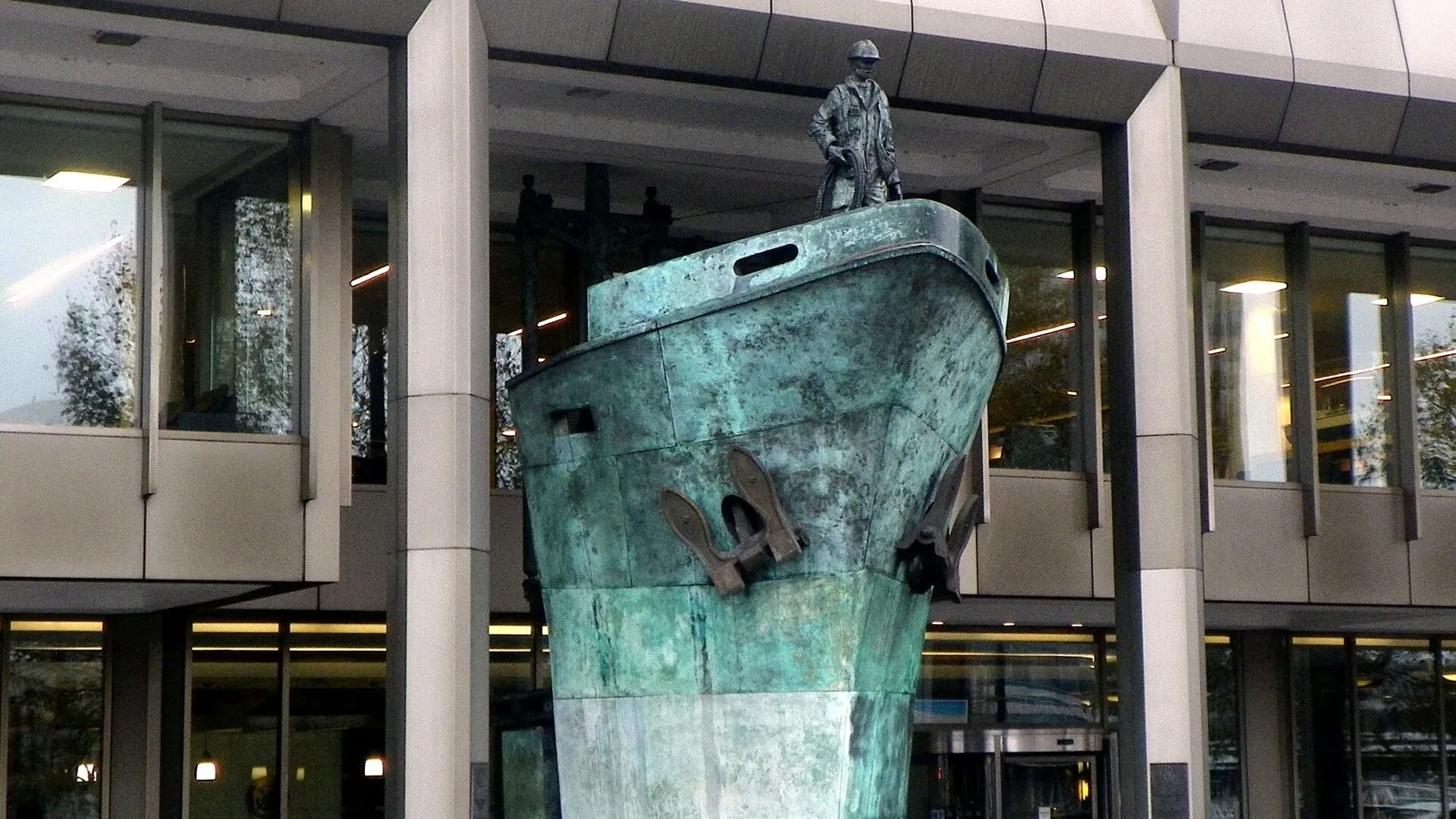
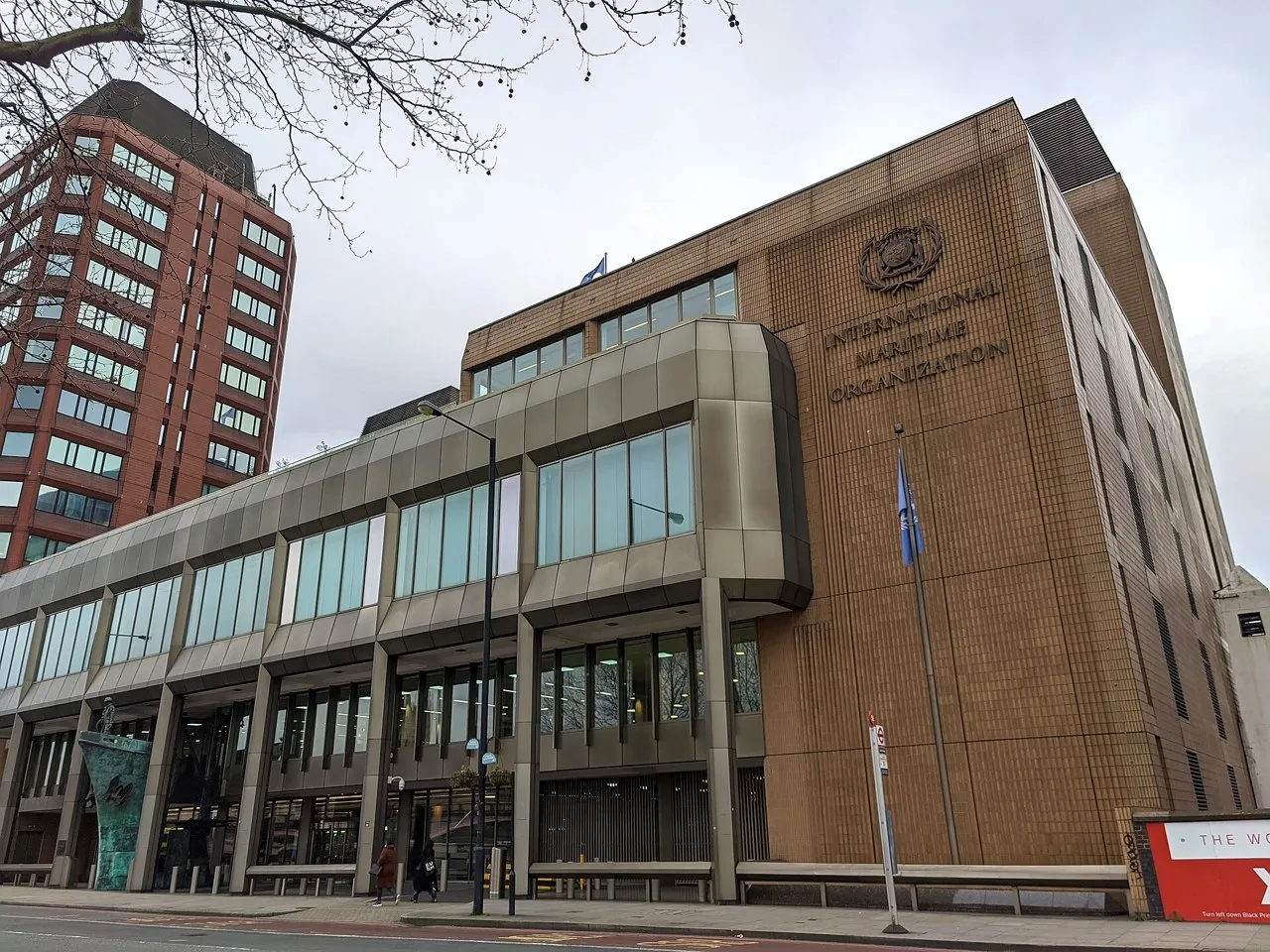
Cover photo: The International Memorial to Seafarers by Michael Sandle at IMO Headquarters, London, November 2016. Photo: AnemoneProjectors (Peter O'Connor)/Wikimedia Commons, CC BY-SA 2.0 (cropped).
Sources: IMO: IMO Council urges stronger protection of seafarers amid threats to global shipping (6 Nov 2026), IMO: Council, 138th session, closing remarks of the Secretary-General (6 Nov 2026), UKMTO: contact details (emergency phone and email), gCaptain: IMO warns of mounting human toll as attacks on commercial shipping continue (9 Nov 2026).
How we choose, write and correct our articles: editorial policy.