The International Transport Workers' Federation (ITF) has started Mind At Sea, a global mental health and suicide prevention campaign for seafarers. It began on World Mental Health Day, 10 October 2026, in Sydney, Australia, and will run in several countries on different continents until early December. Its message to crews is "It's ok not to be ok".
The aim is to make wellbeing a normal part of ship visits. ITF inspectors and unions already talk to seafarers about pay and working conditions. Under the campaign they will also talk about mental health, so that people who are struggling can be recognised and put in touch with support, the ITF said when it announced the campaign on 9 October.
What happens during ship visits
On participating ship visits, inspectors are encouraged to hold an informal wellbeing talk of about 10 to 15 minutes. It covers stress, fatigue, sleep, isolation and where to get help. Inspectors will hand out campaign materials and point crews to the ITF Seafarers' App, mental health helplines and welfare services.

The campaign is built around four actions: reflect, recognise, respond and reach out. ITF-affiliated unions are also encouraged to set up peer support and to share resources with seafarers' families. In this first phase the ITF plans activities in two countries per continent. It wants to repeat the campaign every year, with the longer-term aim of making mental health part of routine ship visits by all its inspectors.
Post on X
Loading it connects to X, which may set cookies and see your visit. See our Privacy policy.
In the post above, the ITF's official X account announces the campaign and says it will help seafarers get the support they need and make wellbeing a routine part of ship visits by ITF inspectors. The post links to the full press release.
Suicide and death compensation
The ITF also wants death compensation for suicide to be included in all its collective bargaining agreements. ITF Maritime Coordinator Jacqueline Smith said this has already been done in the Norwegian Seafarers' Union's cruise agreements, but that it now needs to be the standard for all agreements.
Seafarers' mental health is a workplace health and safety issue, and it must be treated as one. (Jacqueline Smith, ITF Maritime Coordinator)
The campaign follows a commitment made by India's Directorate General of Shipping at an ITF event in Mumbai on 7 April 2025. It promised to ensure compensation for all deaths on board Indian-flagged ships, including suicide, under new and existing agreements.
Why the ITF says it matters
The ITF points to a 2019 study by Yale University researchers, funded by the ITF Seafarers' Trust. Of 1,572 seafarers who answered, 25% had scores suggesting depression and 17% had scores suggesting anxiety. Twenty per cent reported thoughts of being better off dead or of hurting themselves in the two weeks before the survey.
The ITF notes that these are survey and screening results, not clinical diagnoses or current figures for the whole industry. It lists long periods away from family, isolation, fatigue and demanding working conditions as factors that can affect seafarers' wellbeing.

What it means for crews
If an ITF inspector visits your ship before early December, you may be offered a short, informal talk about stress, sleep, fatigue or isolation. It is also a chance to ask where to find help in that port.
Watch out for shipmates. The campaign asks crews to recognise when a colleague may be struggling, respond and help them reach out for support.
The ITF Wellbeing Directory lists organisations that give confidential advice and support in different languages.
SeafarerHelp, run by the International Seafarers' Welfare and Assistance Network (ISWAN), is a free, confidential, multilingual helpline for seafarers and their families. It is open 24 hours a day, 365 days a year, by phone (+44 20 7323 2737), live chat, WhatsApp and email.
To find an ITF inspector or union in your next port, use the ITF's inspector and union contact page.
The ITF says adequate rest, protection from bullying and access to professional help are essential to a healthy workplace. Problems with rest hours or bullying can be raised with your union or an ITF inspector.
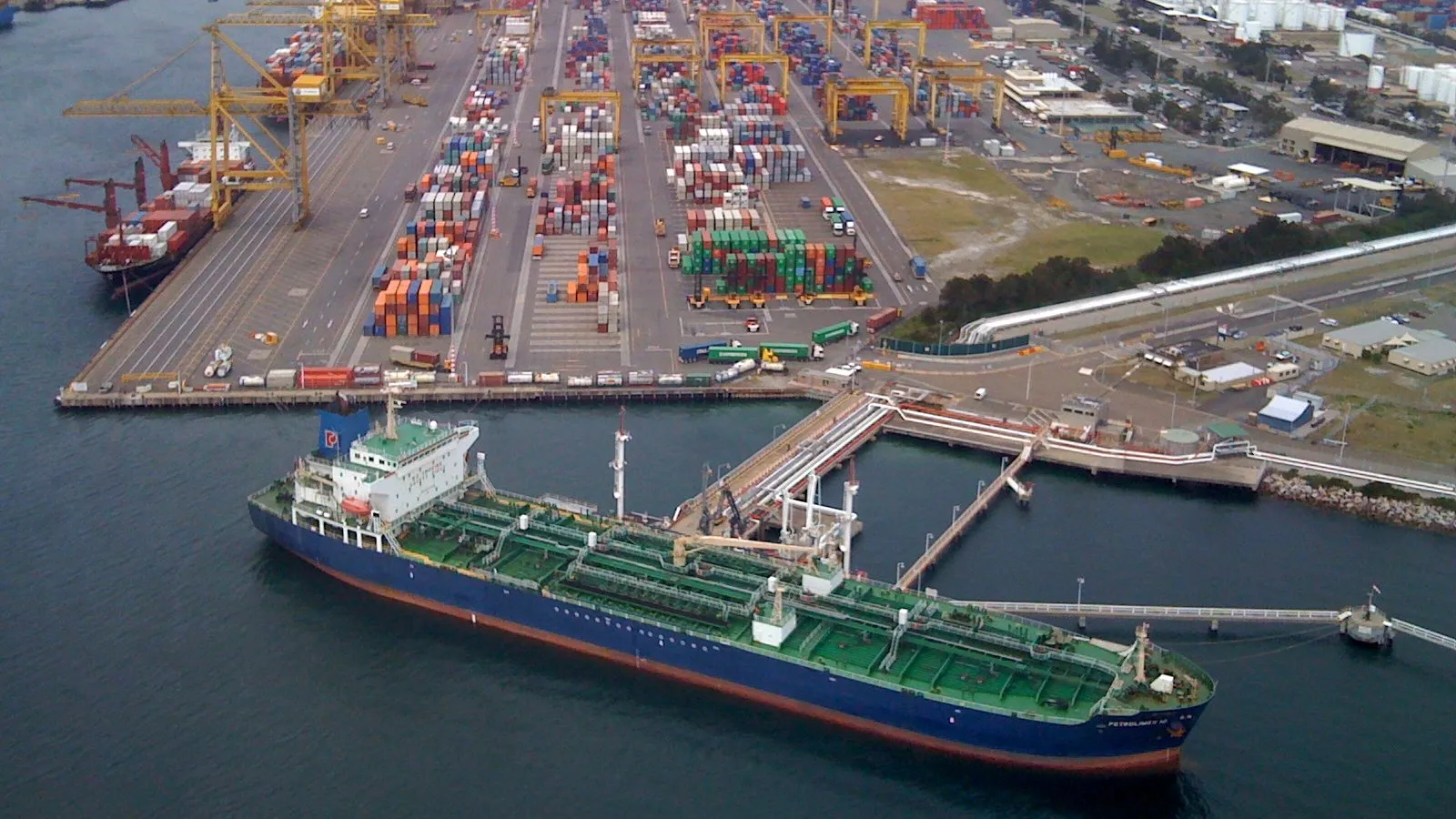
Cover photo: A tanker at its berth beside the container terminal at Port Botany, Sydney, Australia, November 2008. Illustrative photo. Photo: Aaron Jacobs/Wikimedia Commons, CC BY-SA 2.0 (cropped).
Sources: ITF: 'Mind At Sea': ITF campaign to protect seafarers' mental health goes global (9 Oct 2026), ITF on X: launch of Mind At Sea (9 Oct 2026), Splash247: ITF launches global seafarer mental health programme (10 Oct 2026), ITF Seafarers' Trust: Seafarer mental health study (Lefkowitz and Slade, Yale University, 2019), ITF Seafarers: Wellbeing directory, ISWAN: SeafarerHelp.