Methanol can be used safely as a ship fuel, but crews need more than the basic required course. This is a main finding of a new report on the first ships that run on methanol. It was published on 19 October 2026 by the Mærsk Mc-Kinney Møller Center for Zero Carbon Shipping, a research centre.
The report is called "Methanol Ship Design and Operations: Operational Experience from Early Adopters". It is based on more than 35 interviews with over 50 people from nine organisations. They included ship operators, shipyards, equipment makers and ports. The experience covers the period up to the end of 2025.
What worked
People in the study said the methanol engines ran in a stable and predictable way. Most of these ships are dual-fuel, which means they can also burn normal fuel oil. The switch from methanol to fuel oil was highly automatic. The engine could keep running if the methanol system shut down.
The people interviewed reported no critical technical incidents caused directly by methanol as a fuel.
What went wrong
Fuel injection parts wore out early. Injector nozzles, atomisers and related parts sometimes failed too soon. Operators inspected them more often and changed them sooner.
Rough running at high load. Some engines ran roughly when they switched to methanol at high load. Lowering the engine load before the switch helped.
Systems did not always work together. Each piece of equipment worked on its own. But problems came when systems from different makers had to work together. They included automation logic, sensor signals, alarms and interlocks that stopped a sequence. Interlocks are safety locks that block an action until conditions are met.
Faults found after delivery. On some new ships, faults only showed up in service. Examples were wrong signals, wrong sequences and pressure build-up in return lines during repeated purging. Purging means flushing the fuel lines, here with nitrogen gas.
Some operators sent crews on board well before delivery. These crews helped to test the systems and do the first bunkering (taking on fuel). This helped them learn the equipment and fix procedures before the ship started work. The report also says seafarers found practical ways to locate small leaks where the official guidance was not enough.
Training: the required course is only the start
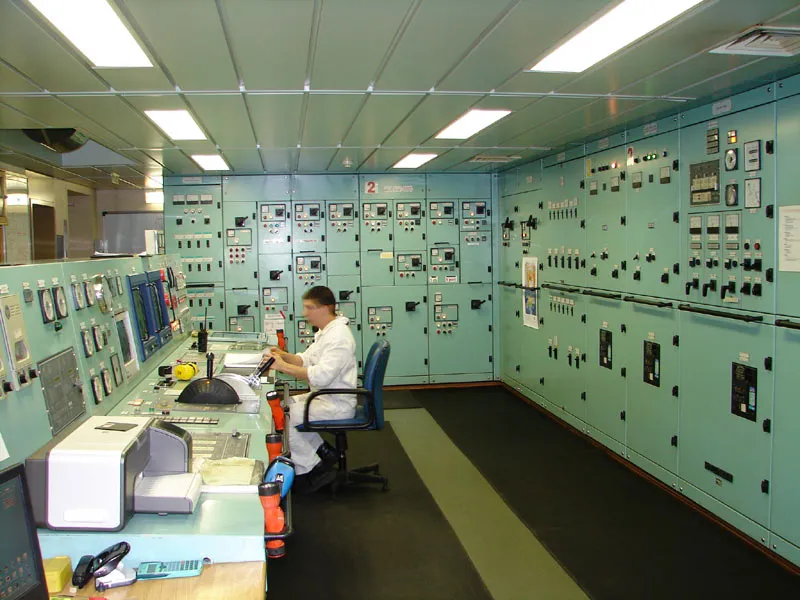
The report says the required training gives a good base. But it does not fully prepare crews for the exact equipment, automation and procedures on each ship. So early operators added more training. This included company familiarisation, courses from equipment makers, simulators, practical exercises and mentoring on board.
The training covered methanol's hazards, how the fuel system works, what the alarms mean, emergency shutdown and maintenance. The report also found that skills fade when a ship burns normal fuel oil for a long time. Some companies now give their own refresher training every two to three years.
Bunkering and safety
Once procedures were set, methanol bunkering took about one to two hours longer than normal fuel. This is mainly because of vapour return and nitrogen purging. The report says hose connections, emergency shutdown, fuel sampling and measuring the amount still need common standards.
Reported incidents and near misses were mostly minor. But they often happened at the same moments. These were maintenance, entry into methanol-related spaces and changes to a system's set-up. The report also says class societies and flag states sometimes read the IMO rules for methanol ships in different ways.
What the IMO training guidelines say
In July 2026, IMO issued interim training guidelines for seafarers on ships that use methanol or ethanol as fuel. They are in circular STCW.7/Circ.26. They say:
All seafarers should be familiarised with their duties and the ship's fuel equipment before they start work on board.
Seafarers with safety duties linked to the fuel should get basic training.
Masters, engineer officers and everyone directly responsible for the fuel and its systems should get advanced training.
The Administration (the flag state) should issue documents showing that a seafarer has completed basic or advanced training.
Ships should hold emergency exercises for the fuel system at regular intervals.
The flag state decides the exact rules. It may give some exemptions for ships under 500 gross tonnage, but not for passenger ships.
What it means for crews
Before you join a methanol-fuelled ship, ask which methanol training the flag state needs for your rank. Keep the training documents with your other certificates.
Ask for ship-specific familiarisation. Learn the ship's alarms, interlocks and emergency shutdown, not only the general course.
Take extra care during maintenance, when you enter methanol-related spaces and when a system is being changed. These were common moments for near misses.
Has your ship burned only fuel oil for a long time? Then ask for a refresher before methanol use starts again.
Engineers: follow the engine maker's latest guidance on changeover and on injector inspection and replacement.
Report leaks, alarm problems and any workaround you find. Your experience can help improve the procedures.
Read more on Crewboard:
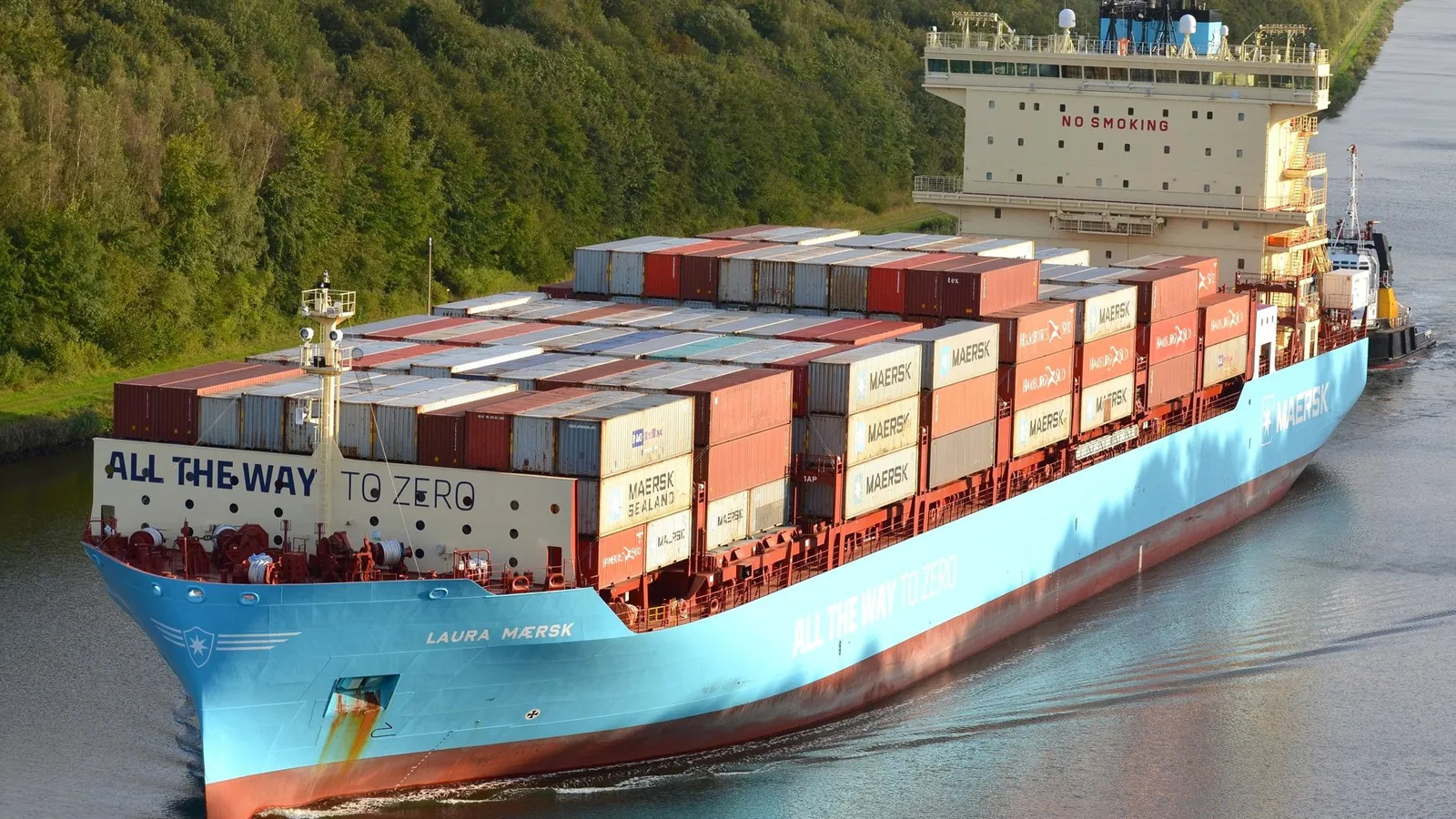
Cover photo: The container ship Laura Mærsk in the Kiel Canal, Germany, on 3 October 2023. Maersk calls her a landmark methanol vessel. Illustrative photo; the report does not name the ships it studied. Photo: Jens Dohrn/Wikimedia Commons, CC BY-SA 4.0 (cropped).
Sources: Mærsk Mc-Kinney Møller Center for Zero Carbon Shipping: Methanol Ship Design and Operations: Operational Experience from Early Adopters (19 Oct 2026), SAFETY4SEA: Early methanol adopters share key lessons on ship design, operations and crew training (20 Oct 2026), Ship & Bunker: Methanol ship operators favour multi-port bunkering for longer voyages (20 Oct 2026), IMO: STCW.7/Circ.26, Interim guidelines on training for seafarers on ships using methyl/ethyl alcohol as fuel (6 July 2026), Maersk: EU Commission President names landmark methanol vessel Laura Mærsk (14 Sept 2023).