Enclosed spaces on ships are still killing seafarers, and the industry is not doing enough to stop it, the ship managers' association InterManager said on 19 October 2026. It has recorded 354 enclosed space accidents over the past 30 years, between 1996 and 2026, on tankers, bulk carriers, general cargo ships, passenger ships, container ships and other types.
Enclosed spaces include cargo holds, tanks, void spaces, chain lockers and similar compartments where the air can lack oxygen or contain toxic or flammable gas.
What seafarers told InterManager
InterManager's latest survey had more than 900 respondents. They described a gap between the written safety procedures and what is possible on board. The problems they named most were:
paperwork that is too complex,
not enough time and not enough people to do the job safely,
commercial pressure,
too little practical training, and
reluctance to deal with the underlying causes of accidents.
Respondents also said inspections can focus on whether the paperwork looks right rather than on whether safety practices actually work. The survey points to tools that could reduce the need for people to enter these spaces or make entry safer: real-time gas sensors, wearable technology, digital permits, hands-free communication and unmanned inspection tools.
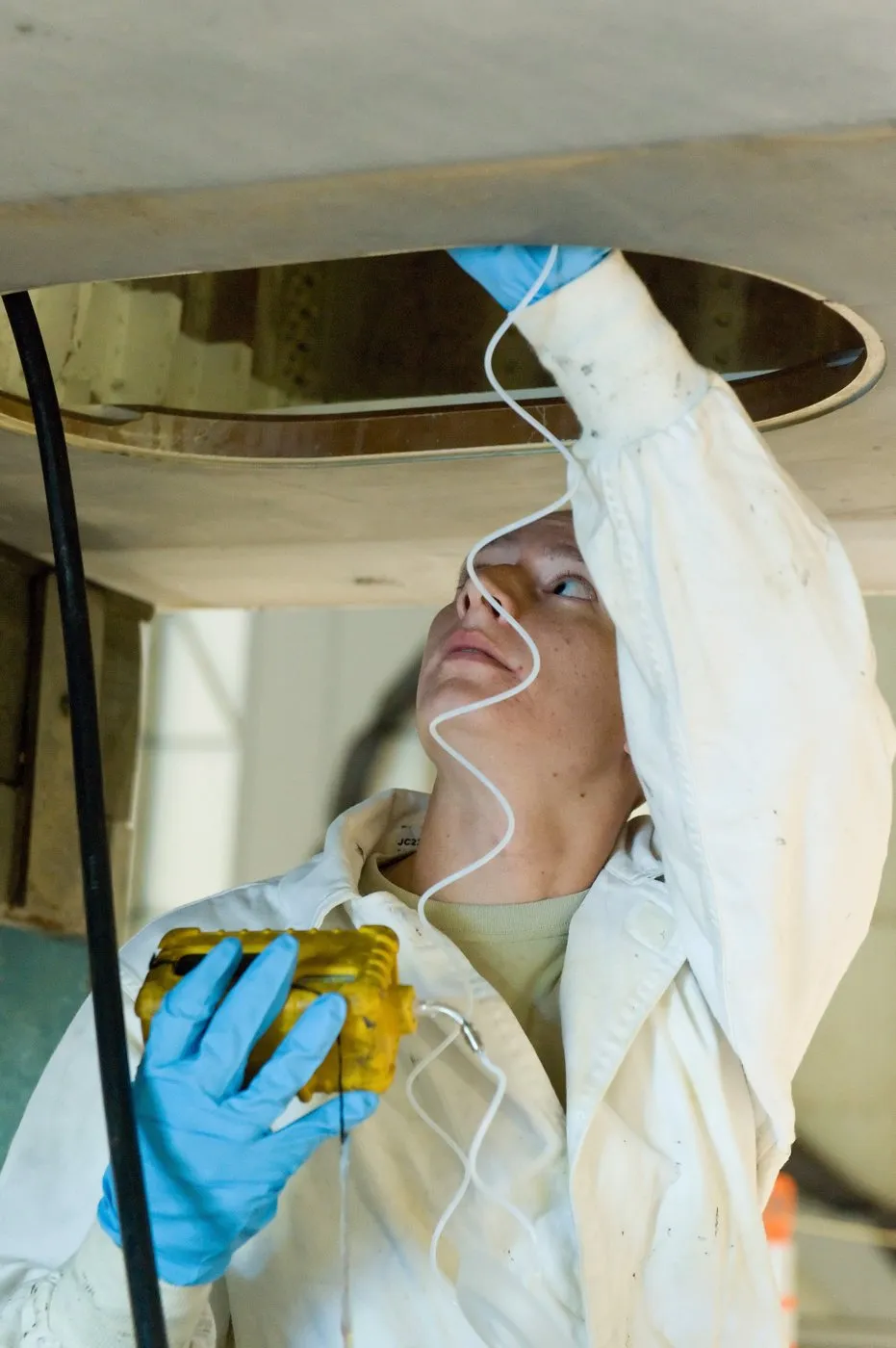
“Enclosed spaces have been killing seafarers for decades,” said InterManager Secretary General Captain Kuba Szymanski. “The industry does not need more paperwork for the sake of paperwork, it needs practical measures that work onboard.”
What InterManager wants to change
InterManager says training today is often a single exercise at the start of a career. It wants continuous professional development instead, with regular drills, refresher training, effective gas detection and proper rescue arrangements, so that crews are competent and not just trained. It also wants seafarers to have more say in the systems, ships and equipment they are expected to use safely.
The association noted that enclosed space entry training is being considered in the current review of the STCW training requirements, with the International Chamber of Shipping (ICS) leading industry input. It also called for ship designs that reduce the need to enter enclosed spaces, through better placing of equipment, better coatings and more durable pipework. And it criticised poor sharing of accident data and uneven accident investigations, warning that lessons cannot be learned when information is delayed, incomplete or withheld.
Webinar on 27 October
InterManager and The Nautical Institute will discuss the survey findings in a webinar on 27 October 2026 at 10:00 GMT. The panel is Captain Pradeep Chawla of MarinePALS, Garry Hallett of InterManager and human factors specialist Richard Cowburn, with David Patrirko of The Nautical Institute moderating. InterManager announced the webinar in a post on LinkedIn, which links to registration.
What crews can do now
Follow your company's procedures and the ship's safety management system. As general good practice:
Treat every enclosed space as dangerous until it has been ventilated, tested and declared safe for entry.
Never enter without a valid entry permit and a risk assessment for that specific job.
Test the atmosphere for oxygen, flammable and toxic gases before entry, and keep monitoring while people are inside with a personal gas detector.
Keep a trained attendant at the entrance with communication to the people inside and to the bridge.
Have the rescue plan, breathing apparatus and lifting equipment ready before anyone goes in.
If someone collapses inside, raise the alarm. Do not go in after them without breathing apparatus.
If the time, people or equipment are not enough to do the job safely, stop and tell your officer or master. That is what the procedure is for.
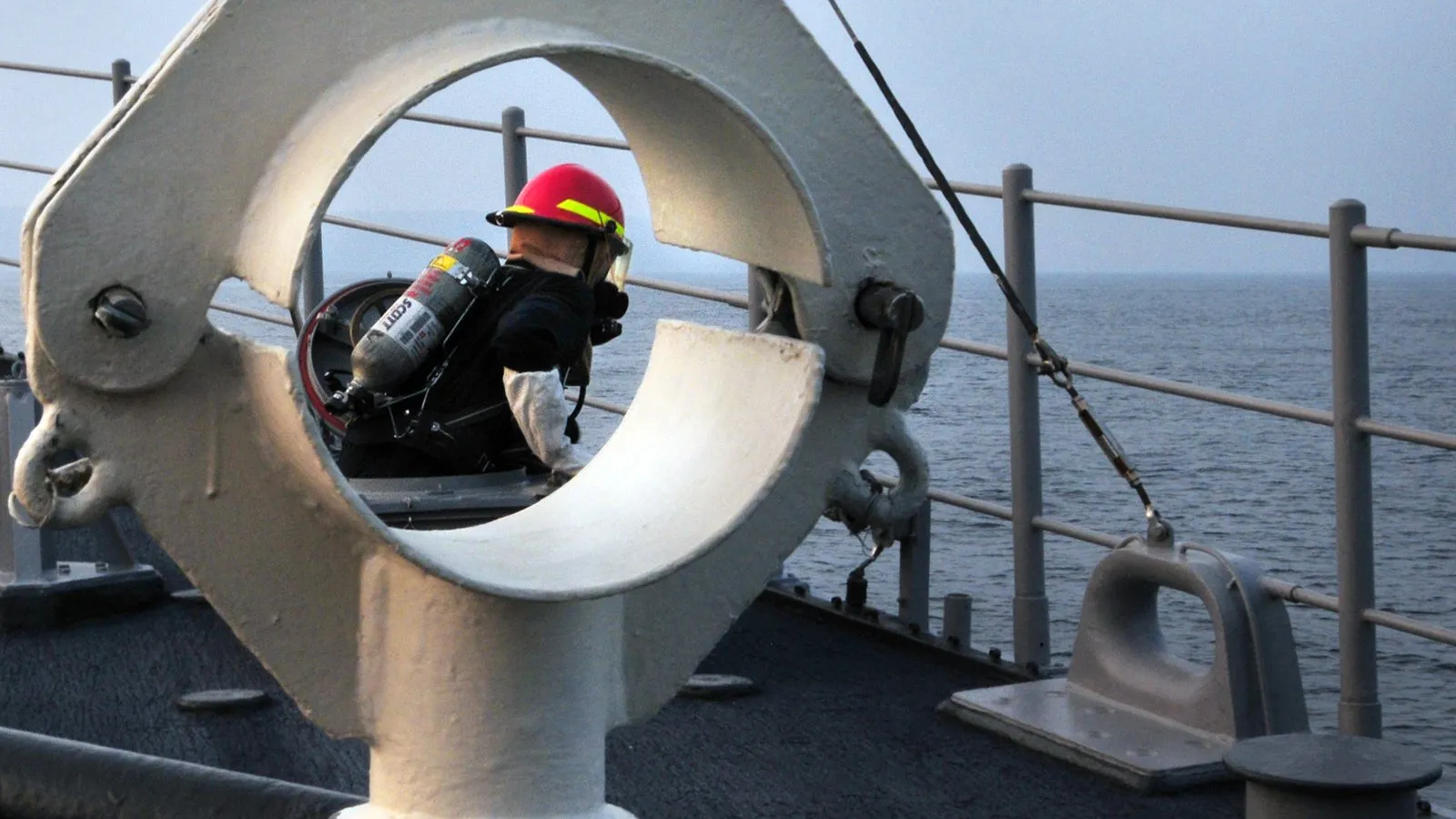
Cover photo: A sailor wearing breathing apparatus during a fire drill on the US Navy ship USS Guardian, August 2008. This is an illustrative photo. Photo: Joshua J. Wahl/US Navy via Wikimedia Commons, public domain.
Sources: Marine Log: InterManager: Enclosed space seafarer deaths demand urgent action (19 Oct 2026), Robban Assafina: InterManager calls for urgent action on enclosed space safety (19 Oct 2026), Ship Management International: InterManager warns enclosed space deaths demand urgent industry action (Oct 2026), InterManager on LinkedIn: Webinar: Enclosed Space Safety: Shared Risks, Shared Responsibility (Oct 2026).