Togo and Russia have signed an agreement to recognise each other's seafarer certificates. The agreement was signed in Moscow on 28 October 2026. Togo's Ministry of Maritime Economy and the Russian Ministry of Transport both announced it.
Togo's minister for the maritime economy, Edem Kokou Tengue, signed for Togo. Russia's transport minister, Dmitry Yadrov, signed for Russia. The signing took place during the third Russia–Africa summit in Moscow.
What the agreement says
The agreement follows the STCW Convention. STCW is the international convention on training, certification and watchkeeping for seafarers. It also follows the rules of the IMO, the International Maritime Organization.
Each country can recognise certificates of competency issued by the other country. A certificate of competency is the document that allows an officer or rating to work in a certain rank.
Recognition is shown with an endorsement. This is an official note from one country that it accepts a certificate issued by the other country.
Recognition is only given if the STCW rules are met. The authorities will also check that each document is real and still valid.
When one country asks the other to check a certificate, the answer must come within seven working days. Requests will be sent by email.
Both countries will keep electronic registers of the certificates and endorsements they issue.
The two ministries will also share information about how seafarers are trained and certified.
Neither government has said when the new system will start working, Splash247 reports. The Russian port news site PortNews also reported the signing.

Why this matters for crews
Under STCW, an officer who works on a ship of another flag usually needs an endorsement from that flag state. Without it, the officer may not be allowed to sail in that rank on the ship.
Agreements like this one can make the process faster for seafarers trained in Togo or Russia. They can also help companies check quickly if a certificate is real. Fake certificates are a known problem in shipping.
Other countries are making similar deals. Crewboard wrote earlier about an agreement between China and Saudi Arabia on the same subject.
What seafarers can do now
Do not change your plans yet. The two governments have not said when the agreement will start.
Before you join a ship, ask your company if you need a flag state endorsement for your certificate. Ask how long it will take to get it.
Keep your original certificates and good copies safe. You will need them for any check or endorsement.
Only use the official maritime authority or your company to apply for an endorsement. Do not pay agents who promise a fast endorsement for a fee.
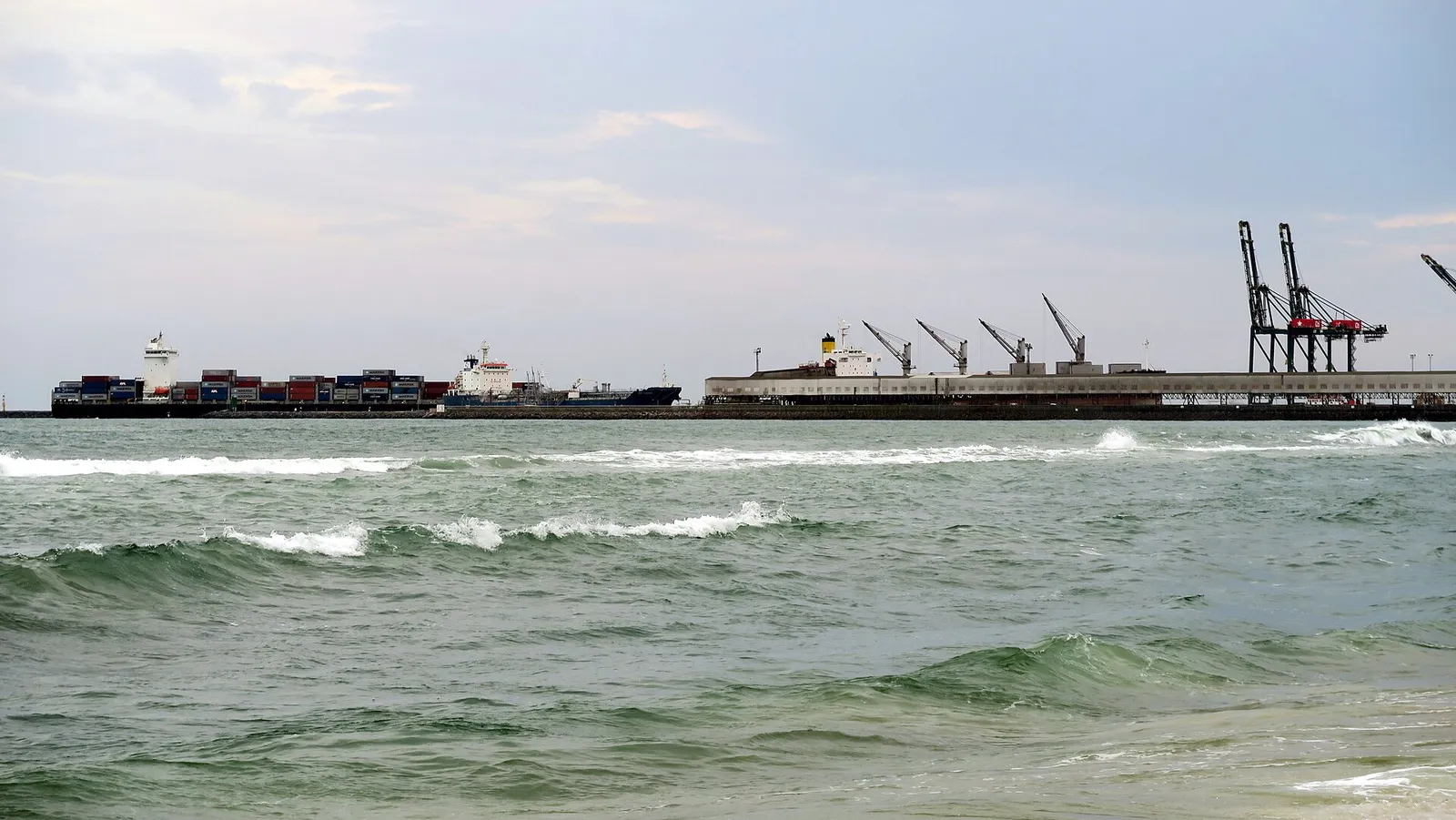
Cover photo: Container ships at the port of Lomé, Togo, in May 2017. Illustrative photo. Photo: Brendertogo/Wikimedia Commons, CC BY-SA 4.0 (resized).
Sources: Togo Ministry of Maritime Economy, 28 Oct 2026: Togo-Russie, un accord pour faciliter la reconnaissance des brevets des gens de mer, Russian Ministry of Transport, 28 Oct 2026: Russia and African countries strengthen transport cooperation (in Russian), Splash247, 30 Oct 2026: Togo and Russia sign seafarer certificate recognition deal, PortNews: Russia and Togo agreed to recognise the diplomas of ship crew members (in Russian).
How we choose, write and correct our articles: editorial policy.