The United Kingdom asks many travellers to get an Electronic Travel Authorisation (ETA) before they fly or sail in. An ETA is a digital travel permit. It is not a visa.
Seafarers often ask if they need one when they join or leave a ship in a UK port. The short answer for most crew is no. But you must fit the seafarer rules and carry the right papers. Facts in this guide are as of November 2026.
What is a UK ETA?
An ETA lets eligible visitors travel to the UK for short stays of up to six months. The Home Office ETA factsheet says it costs £20. It lasts for two years, or until the passport you used expires, whichever comes first. You can make more than one trip during that time.
You apply on the official GOV.UK ETA page or with the UK ETA app. Most people get a decision in minutes. GOV.UK still says you should apply at least three working days before travel, in case your case needs a longer check.
British and Irish citizens do not need an ETA. People who already hold a UK visa or UK immigration status also do not need one.
When seafarers do not need an ETA
GOV.UK's page on entering the UK: exemptions to controls lists seafarer cases that do not need an ETA. You do not need an ETA if you are:
a seafarer arriving and leaving as crew;
an ILO seafarer's identity document (seaman's book) holder arriving as crew to join a ship that is leaving UK waters;
a seafarer who is being repatriated (sent home after a contract).
Ferry crew have a similar exemption when they arrive as crew or join a ferry that is leaving UK waters.
If you fly or sail in to join a ship, carry papers that show your crew contract.
The papers should also show that the ship is in UK waters and will leave UK waters. This is normally your employment contract.
The Home Office caseworker guidance for seamen also talks about a letter from the owner or agent. That letter should name the ship's location and sailing plans.

When seafarers still need an ETA or a visa
You do need an ETA if you come to the UK for a visitor activity. Examples include tourism, a holiday after sign-off, or a business meeting that is not crew work. The exemption is for crew duties, not for a private visit.
Visa nationals who hold a valid seaman's book under ILO Convention 108 may still get a visa waiver for certain crew duties. Some ILO 185 books are treated the same way. That rule is complex. Ask your agent and check the caseworker guidance before you travel.
Offshore workers who work in UK waters are treated differently from ordinary transit crew. They often need separate permission to work. Do not assume the ETA crew exemption covers offshore jobs.
What to carry when you join a ship in the UK
Your passport or other accepted travel document.
Your seaman's book or Seafarer's Identity Document, if you have one.
Your employment contract or seafarer's employment agreement.
A letter from the shipowner or local agent naming the ship, the join port, and when the ship is due to sail.
Proof of how you will be housed and how you will get home if plans change.
Border Force officers see joining seafarers in person. You do not use the automatic eGates for this route. Keep your papers ready. Use the same passport you would use for any ETA application if you later need one for a visitor trip.
What to do now
Before you book a flight to the UK for a join, ask your crewing agency one clear question.
Ask: am I joining as crew under the seafarer exemption, or do I need an ETA or a visa?
Never pay a stranger online for an ETA. Use only GOV.UK or the official UK ETA app. Fake sites charge more and may steal your data.
You can check if you already hold a valid ETA on GOV.UK.
If you plan a holiday in the UK after sign-off, get an ETA or the right visa in time. The crew exemption does not cover tourism.
For Europe crew changes, read our guide on the Schengen Entry/Exit System (EES) for seafarers.
See external vacancies on Crewboard and useful links for official help lines.
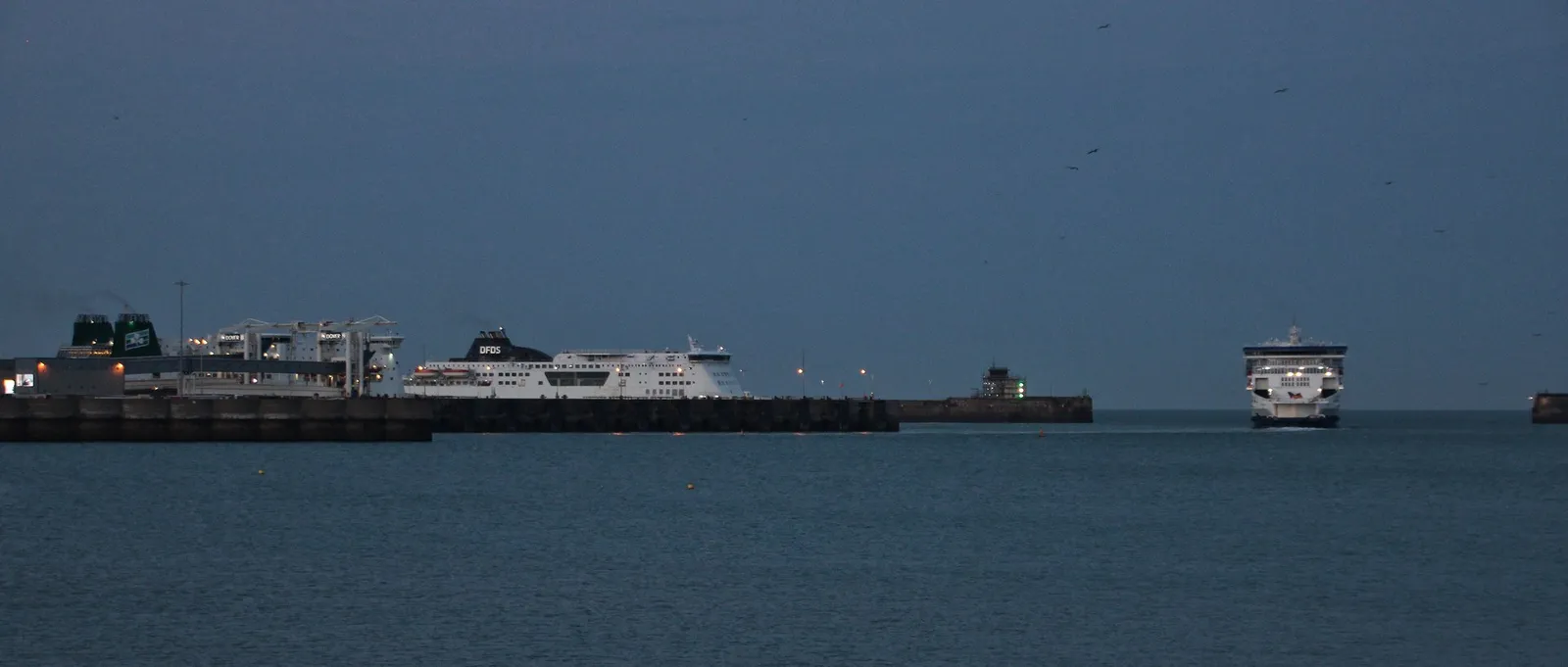
Cover photo: Ferries in Dover Harbour, July 2024. Dover is one of the UK's busiest ferry ports. Photo: Stefan Oemisch/Wikimedia Commons, CC BY-SA 4.0.
Sources: GOV.UK: Entering the UK: exemptions to controls (seafarers and ETA), GOV.UK: Get an electronic travel authorisation (ETA), GOV.UK: Apply for an ETA, GOV.UK: Check if you have an ETA, GOV.UK: Seamen arriving in the UK – caseworker guidance, Home Office: Electronic Travel Authorisation (ETA) factsheet – April 2026, GOV.UK: Check if you need a UK visa.
How we choose, write and correct our articles: editorial policy.