Hydrogen sulphide (H2S) is a very toxic gas. Many seafarers think it is only a danger inside tanks and other enclosed spaces. The marine insurer Gard says this is not true. In a review of deaths reported to the IMO, more than half happened outside, before anyone entered a tank.
Gard published a safety article on 14 October 2026. It is based on IMO document CCC 12/INF.20, dated 10 July 2026. This document looked at fatal accidents reported to the IMO. It found that at least 29 of 56 known H2S deaths happened outside enclosed spaces.
How the accidents happened
The victims were doing normal jobs. They were opening tank manholes, taking apart pumps and pipelines, or working near tank vents. Some collapsed when they tried to rescue a colleague. In many cases, they did not plan to enter a tank at all.
Gard describes one case on a drillship. A second engineer and a motorman opened the hatch of a bilge water tank. They wanted to ventilate it before cleaning. Moments later, the second engineer collapsed as he climbed away from the hatch. Both men fell into the tank. Both died, even though others tried to rescue them.
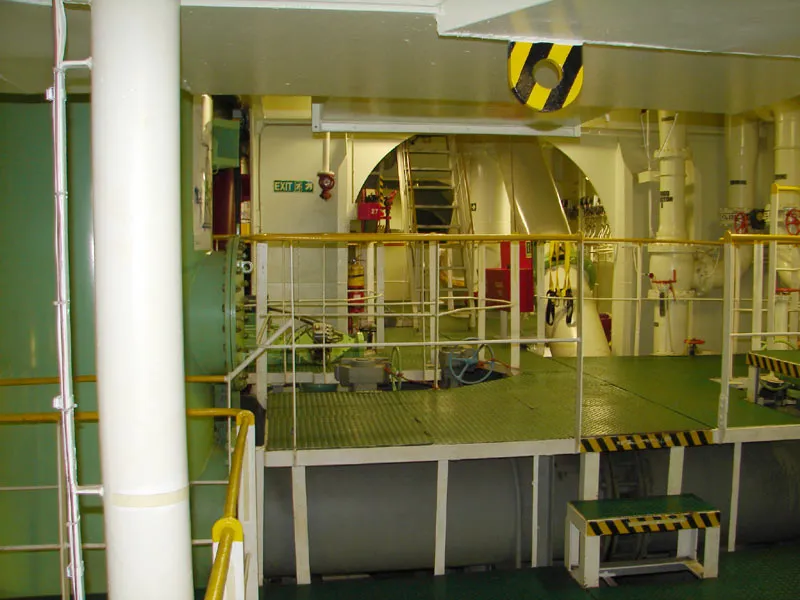
The investigation found oily water and residues in the tank. These can produce H2S. Opening the hatch probably released the gas into the pump room around it. This happened before anyone went into the tank.
Why H2S is so dangerous
H2S has no colour. It is heavier than air, so it collects in low places such as tank bottoms, bilges and pits. At low levels it smells like rotten eggs. But the gas can quickly stop your sense of smell, so you cannot trust the smell as a warning.
At about 700 to 1,000 ppm (parts per million), a person can collapse after only a few breaths. Breathing can stop, and death can follow within minutes. Gard calls this sudden collapse "H2S knockdown". A portable gas detector may give little warning if the gas comes out suddenly. It may also be stronger than the detector can measure.
H2S forms when oily or organic material rots without oxygen. Seawater mixed with such residues helps bacteria make the gas. Gard lists these possible sources on ships:
oily slops and sludge
sewage and grey water systems
fuel oil residues
food waste and organic wash water
bilges and bilge holding tanks
cargo residues
contaminated ballast tanks
The gas can stay dissolved in a liquid. It may come out suddenly when something changes. Examples are opening a tank, stirring or pumping the contents, starting tank washing, or a change in pressure. So a space that looks safe can suddenly release a strong cloud of gas.
What to do on your ship
Gard gives this advice to crews and companies:
Treat opening a tank, a pump or a pipe as a job that can release toxic gas. The same goes for stirring up residues. The risk assessment should cover the tank and every space next to it or connected to it.
Before you open anything, check what the space held and for how long. This includes sewage, grey water, oily water, slops, cargo residues, seawater and cleaning chemicals. Do not open or vent it until the assessment is done and the controls are in place.
Think about where the gas will go when you open or ventilate. Keep people away from that path, from low points and from places with a poor escape route.
If you must open a cover a little to test the air, do it slowly and from a safe position. Have gas monitoring and emergency equipment ready.
Use a calibrated multigas detector that measures H2S, oxygen and flammable gases. Test again after washing, pumping, stirring or a change in ventilation. But never rely on the detector alone.
Keep less oily water and other waste mixtures on board. Galley and toilet waste should not drain into oily water systems. Use fresh water for cleaning where you can.
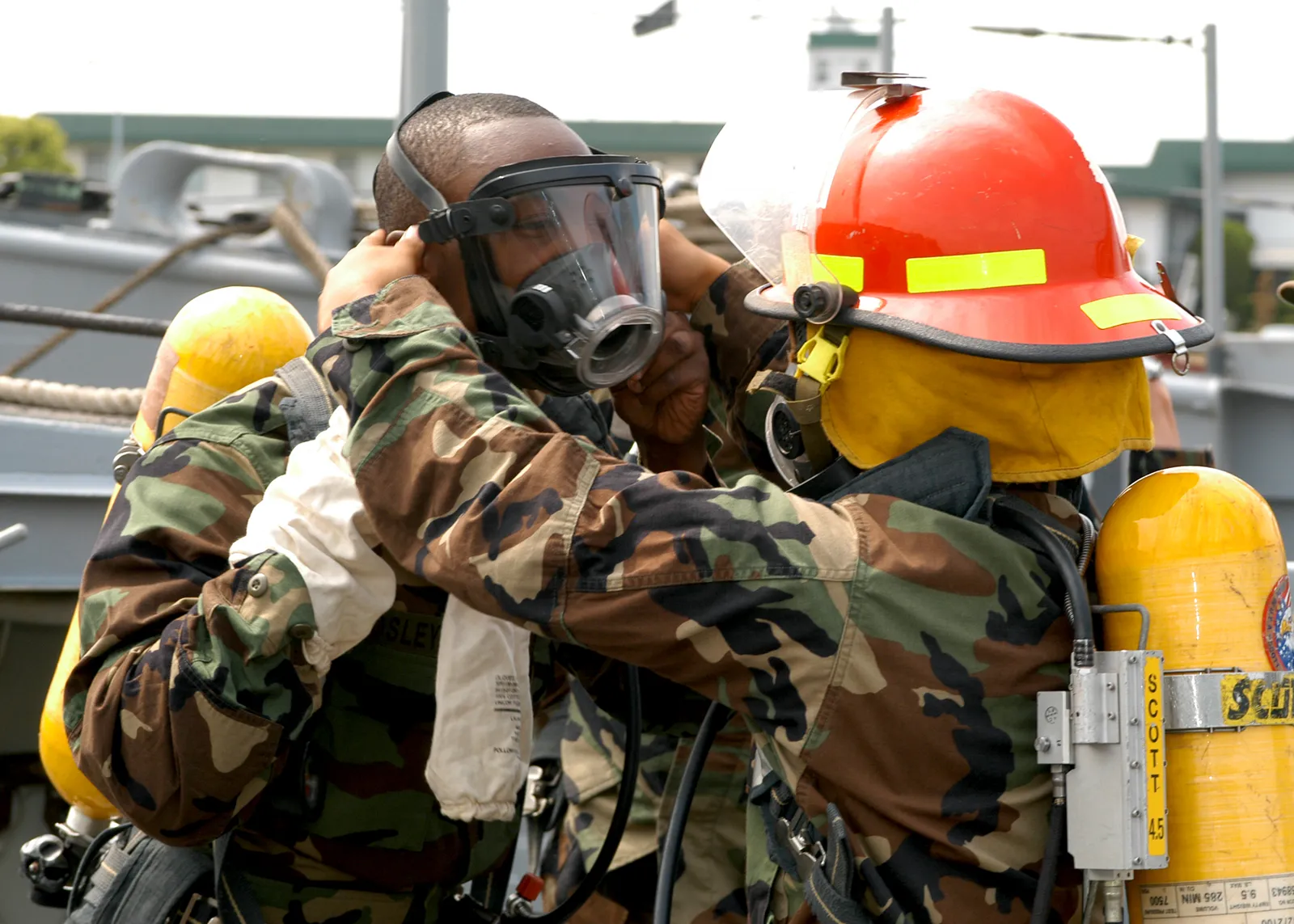
If someone collapses, do not rush in. Follow the ship's emergency plan. Rescuers need breathing apparatus, training and rescue equipment. Treat connected spaces as dangerous too.
Gard's main message is simple. H2S is not only a danger when you enter a space. It can also escape when a closed system is opened, disturbed or ventilated during everyday work. The full article is on Gard's website.
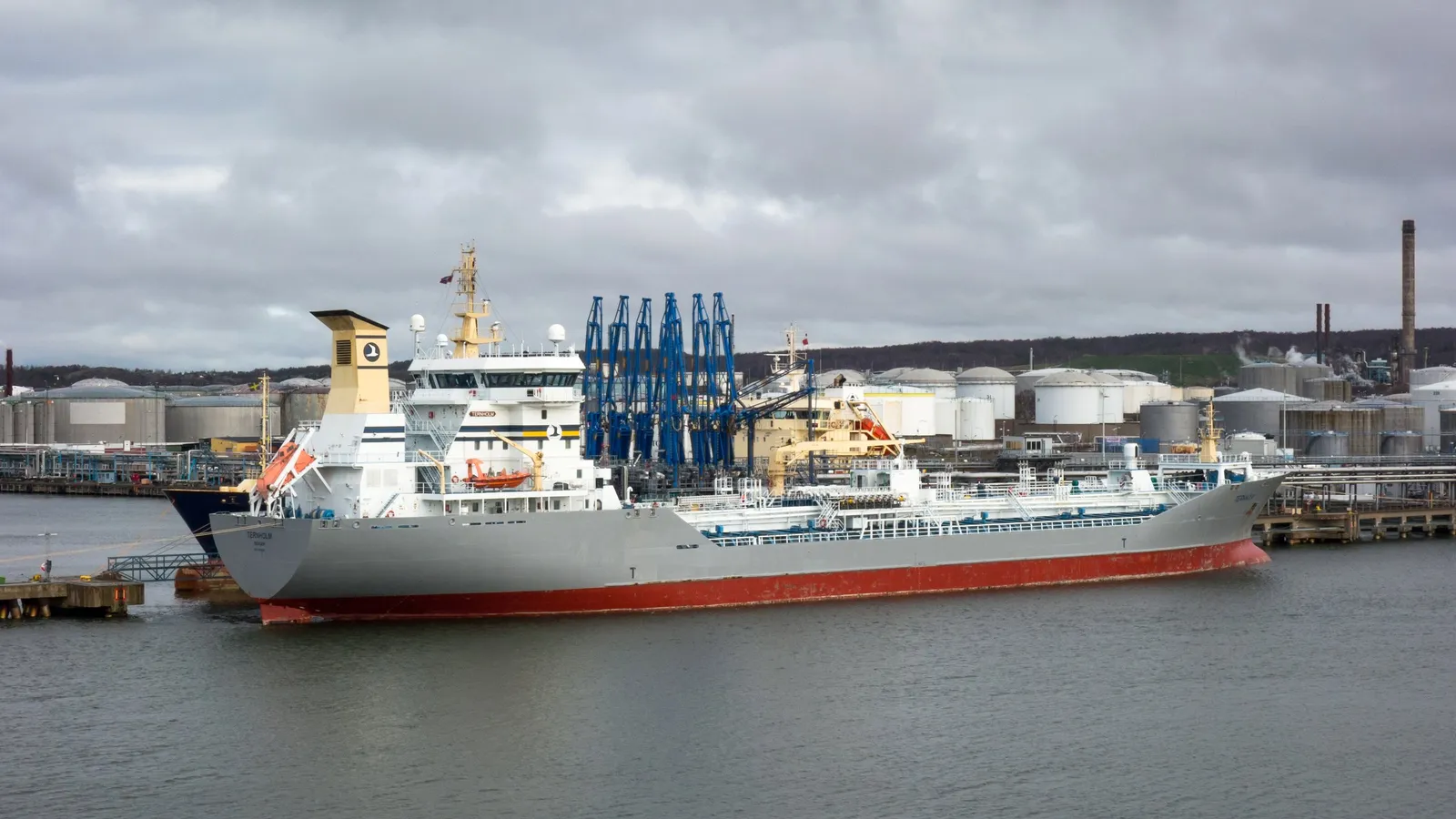
Cover photo: The chemical tanker Ternholm at Skarvikshamnen in Gothenburg, Sweden, on 13 April 2017. The photo is illustrative and does not show a ship from the accidents in this article. Photo: W.carter/Wikimedia Commons, CC0.
Sources: Gard: Hydrogen sulphide: The hidden danger outside enclosed spaces (14 Oct 2026), The Maritime Gazette: Review of IMO fatality reports finds hydrogen sulphide deaths during routine work outside enclosed spaces (20 Oct 2026).