A UK fishing company has been fined £100,000 after a young engineer died in the engine room of its trawler. Conor Moseley, an apprentice engineer aged 20, died on 15 November 2019. A fire suppression system went off while he was working in the engine room. The gas made it impossible for him to get out.
The trawler was Resurgam, owned by W. Stevenson & Sons Ltd. It was in Newlyn Harbour, Cornwall. The HSE (Health and Safety Executive), Britain's workplace safety regulator, investigated and took the company to court. It published the case on 16 October 2026.
What happened
Conor and three other workers were working on the trawler. Another company, Ocean Engineering (Fire) Ltd, was installing a fire suppression system in the engine room. This is a fixed system that fills a space with gas to put out a fire.
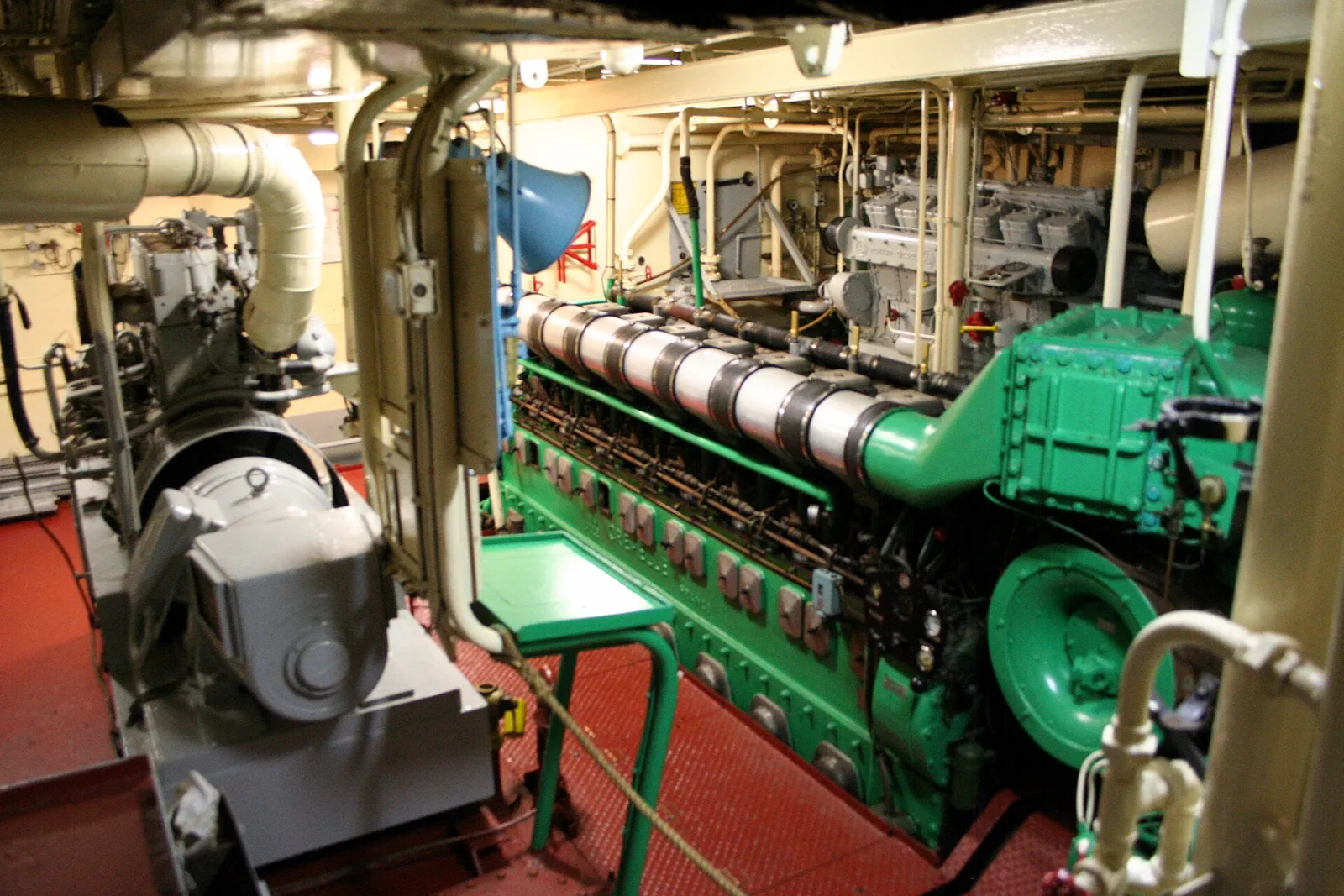
The system went off without warning. It filled the engine room with hot, toxic gas, and it was hard to see. The engine room was small and had only one way in and out. Workers had to climb a ladder and go through a hatch one at a time. They had to pass through a jet of gas hotter than 75°C.
The other workers got out. Conor was overcome by carbon monoxide and other substances. His colleagues tried to reach him, but they could not. Fire fighters later brought him out, but he could not be saved.
What the investigation found
HSE found that the risks of several contractors working in the small engine room together had not been properly considered. One contractor said the room was a mess, with poor lighting and things to trip on. At one point six or seven people were working there.
There was no safe system of work for installing the fire system. There was also no effective emergency plan. HSE said a permit-to-work system could have been used. This is a system of written permits that controls who does what work, and when.
HSE said the company was not responsible for the system going off. But it was responsible for thinking about what could go wrong. It should have planned the work so that as few people as possible were at risk. It had not planned how to rescue workers quickly in an emergency.
He need not have been in the engine room at the time. When the worst happened, they couldn't get him out in time to save him. - Helena Allum, HSE principal inspector
At Truro Crown Court on 15 October 2026, the company pleaded guilty to two charges under the Health and Safety at Work etc. Act 1974. It was fined £100,000 and must pay costs of £27,906.

How to avoid it
Fixed fire systems save lives in a real fire. But the gas can kill people who are still in the space. Work on or near these systems needs extra care, also in port and during repairs:
Before anyone works on a fixed fire system, isolate it so it cannot go off by accident. Follow the maker's instructions and your company's procedure.
Use a permit to work when contractors are on board. One person should know who is in the engine room and what work is going on.
Keep the number of people in a small engine room as low as possible. People who are not needed there should stay out.
Keep the exit route clear, with good lighting and no trip hazards.
Make an emergency plan before work starts. Know how you will get a person out, and who will call for help.
Do not go into a space full of gas to rescue someone without breathing apparatus. Raise the alarm and call the fire service.
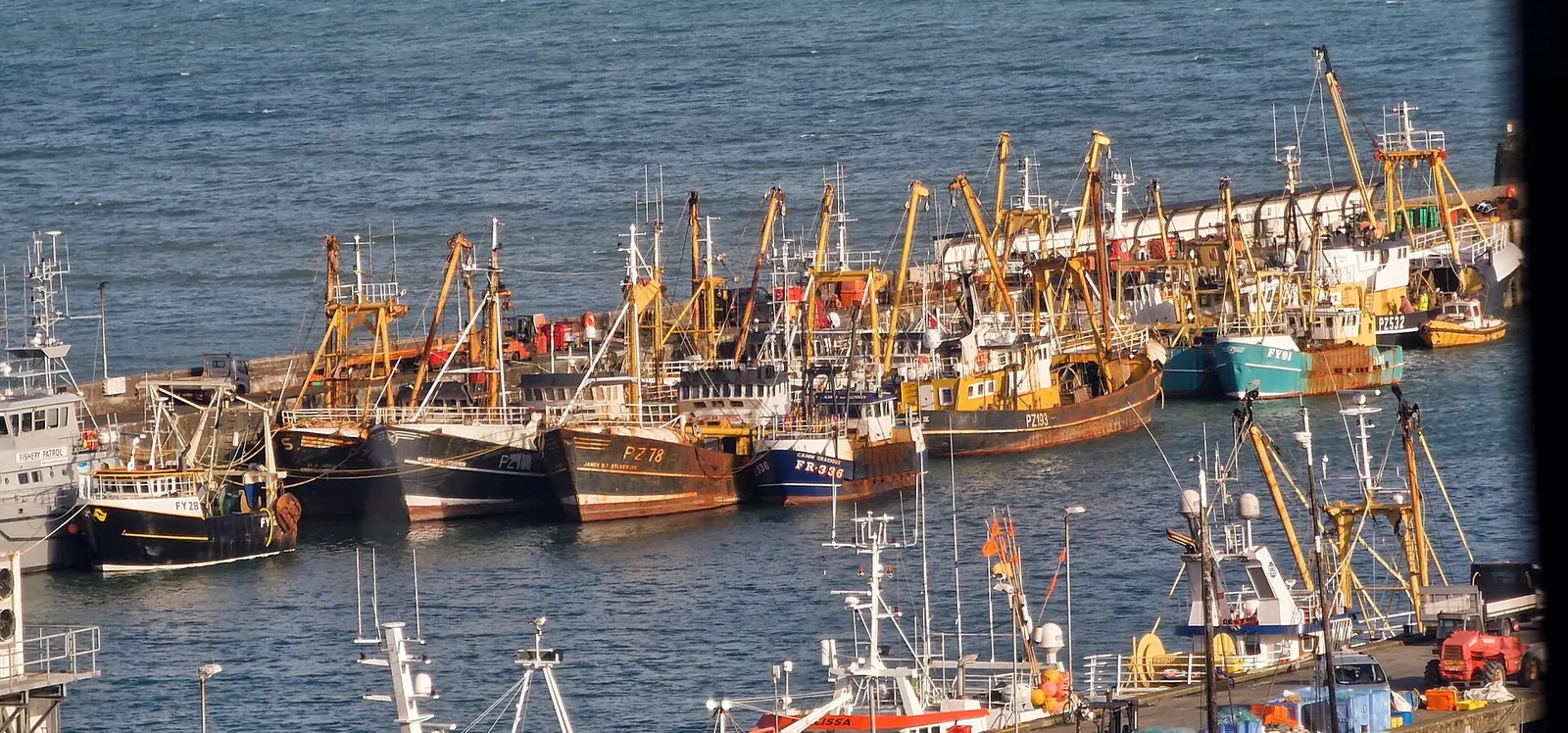
Cover photo: Trawlers in Newlyn Harbour, Cornwall, March 2022. This is an illustrative photo, not the ship in this story. Photo: Tom Corser/Wikimedia Commons, CC BY-SA 3.0.
Sources: HSE: Fishing fleet company fined following engine room fatality (16 Oct 2026).