A heavy motor fell from an engine-room crane on the bulk carrier RTM Weipa and hit a crew member. The crew member was lucky and had only minor injuries. The Australian Transport Safety Bureau (ATSB) released its final report on the accident on 16 October 2026.
The accident happened on 23 June 2025. The Singapore-flagged ship was at anchor about 8 km from Gove, in Australia's Northern Territory. The crew were doing planned maintenance in the engine room. RTM Weipa is a 90,338 DWT (deadweight tonnes) bulk carrier built in 2008. It is a Rio Tinto Shipping ship that sails between Weipa and Gladstone.
What happened
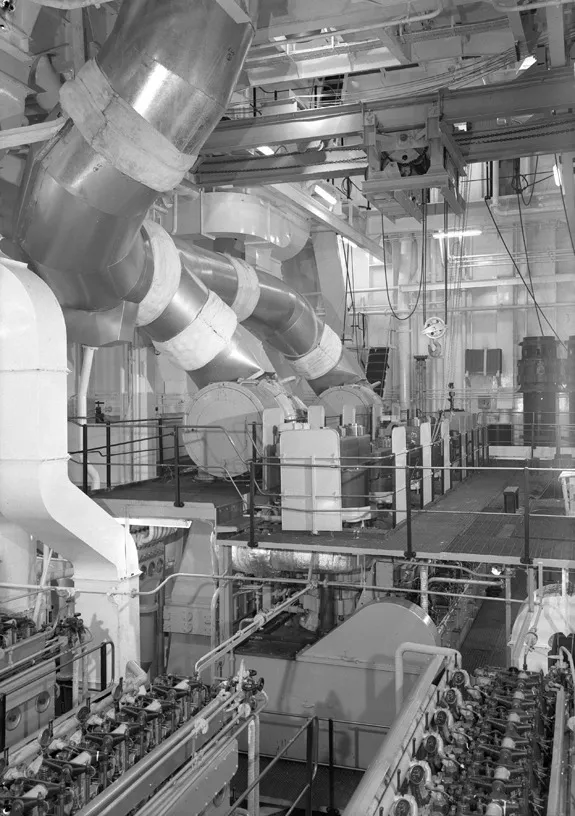
Two crew members were using the engine room's overhead crane to move parts. This crane runs on rails high above the engine. They had finished a lift, and the crane was not moving.
Then the crane's traversing motor came off its mounting. This is the motor that moves the crane along its rails. It weighs about 25 kg. It fell about 6 metres into the work area below. It hit one of the crew members, but not directly.
What went wrong
The ATSB found three main problems.
Hidden bolts came loose. Bolts inside the motor held it to its gearbox. Over time they became loose. You could not see these bolts from outside. You could only reach them by taking the unit apart. The maker's maintenance instructions did not mention these bolts or how to check them.
A warning sign was not reported. About four months before the accident, the crew saw that the motor was wobbling. This was not properly checked or reported. So nobody fixed the defect. The people responsible for the crane's technical condition did not know about it.
No safe way to reach the crane. The manager has four ships, and none had a proper platform for crane maintenance. Crews said they used improvised and unsafe platforms to reach the crane.
ATSB director of transport safety Graham Drummond said the bolts "were only accessible by taking the assembly apart". He also said the maker's procedure did not tell crews to check them during routine maintenance.
What has changed
The crane maker, Sekigahara Seisakusho, changed its maintenance instructions. They now explain how to check the internal bolts. It also recommends an inspection every five years by a technician it has certified.
The ship manager, ASP Ship Management, changed its engine-room crane procedures on RTM Weipa and its three sister ships.
The manager also made its defect reporting rules stronger.
It fitted fixed platforms with safety chains on all its ships. Crews can now inspect the crane's high parts safely.
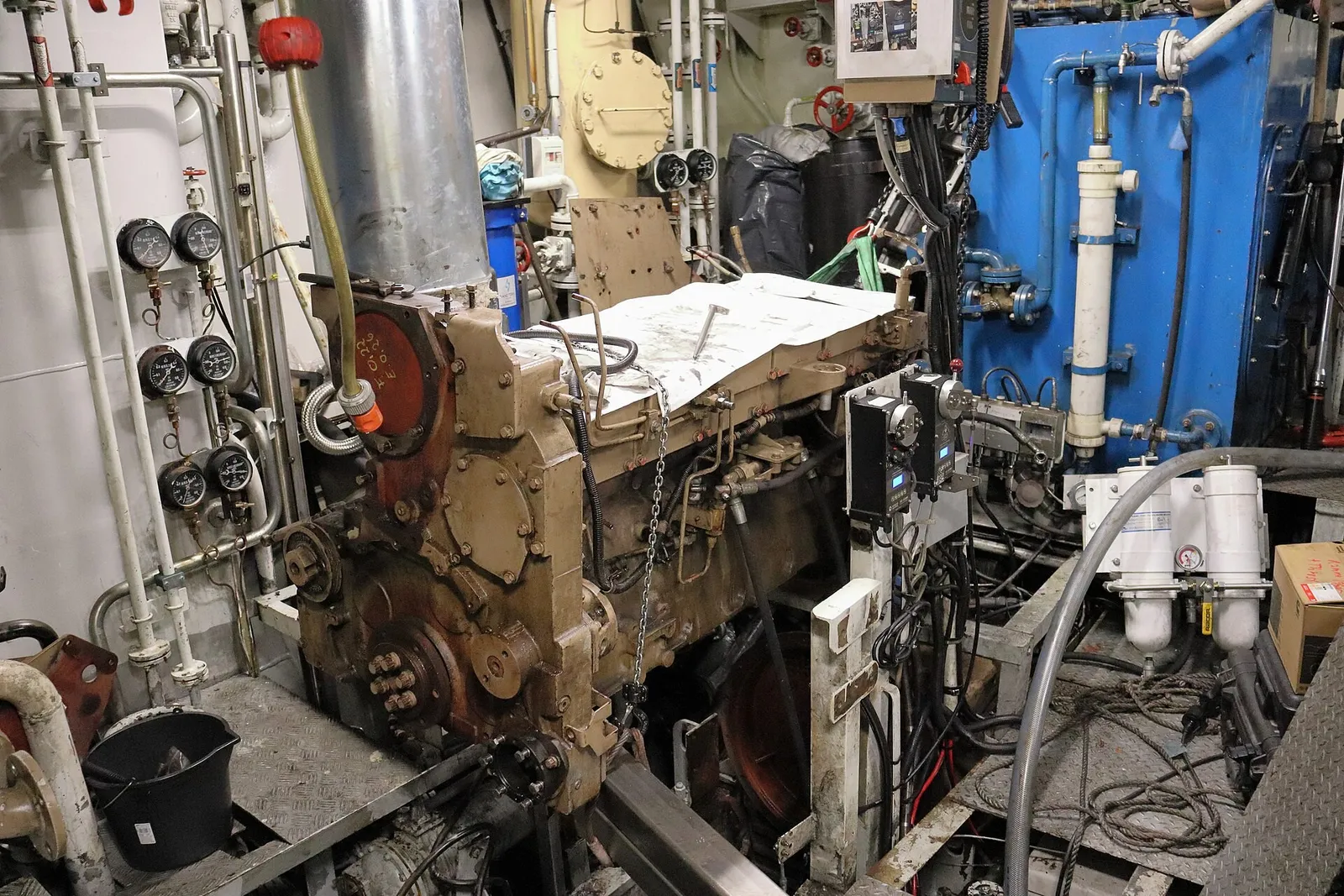
What it means for crews
Report every defect you see, even a small one like a wobble or a strange noise. Write it in the planned maintenance system (PMS), the ship's computer record of maintenance and defects. If it is not recorded, nobody ashore will know.
Do not get used to a fault. Mr Drummond warned about the dangers when unsafe ways of working "become normalised". This means people start to see them as normal.
Before you work under an overhead crane, look up and check the crane. Keep out of the area below a load or a crane part when you can.
Ask your company for the maker's latest maintenance instructions for engine-room cranes. Check if they cover parts you cannot see from outside.
Never stand on a makeshift platform to reach a crane. Ask for a proper platform or other safe access, and use fall protection when working at height.
Read more on Crewboard:
Second engineer killed by falling crane parts on a rolling bulk carrier: lessons from the report
Crew member crushed in lift shaft on cruise ship Arvia: lessons from the MAIB report
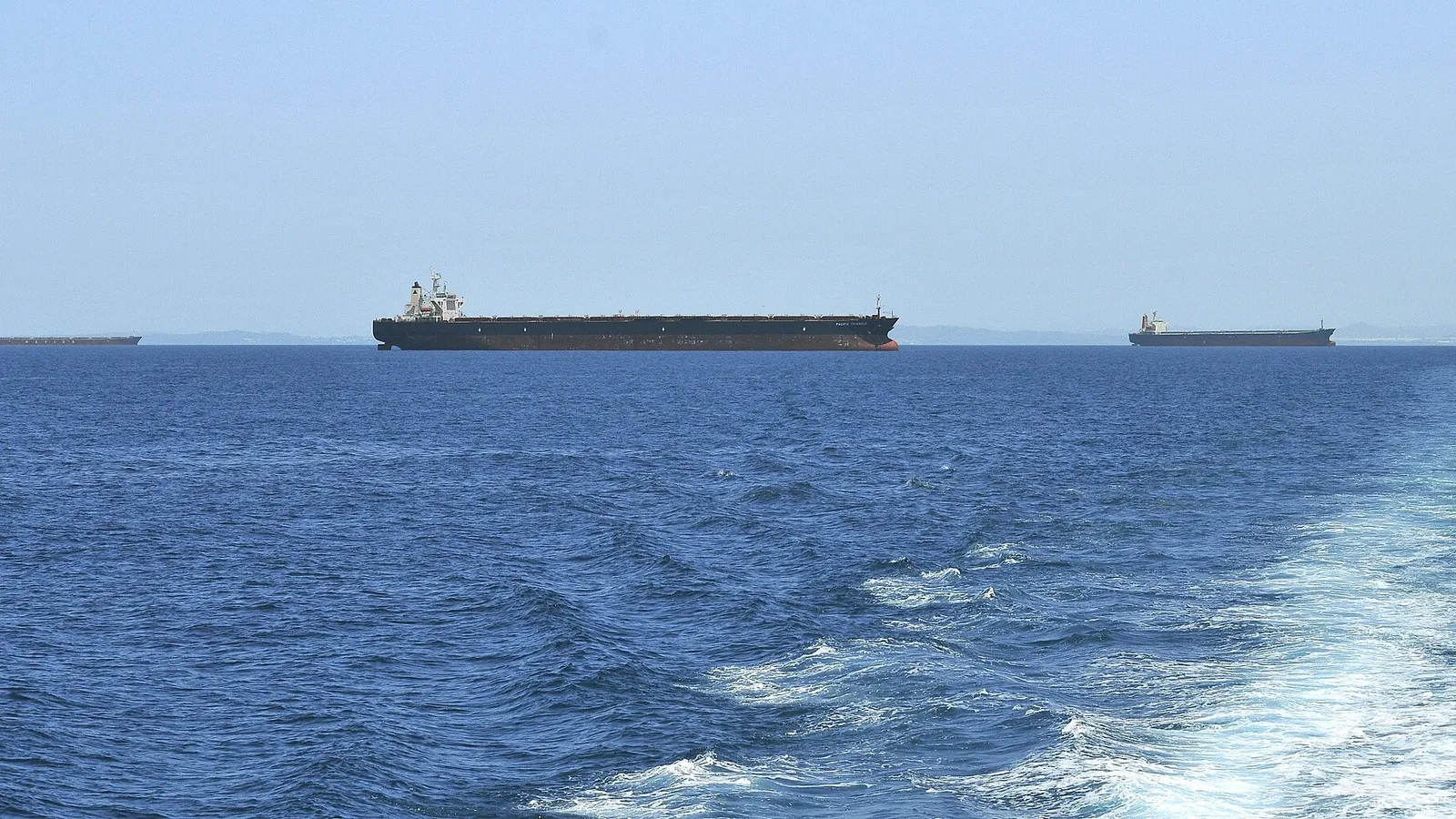
Cover photo: Bulk carriers waiting for a berth off the Port of Gladstone, Queensland, Australia, October 2009. Illustrative photo, not RTM Weipa. Photo: LBM1948/Wikimedia Commons, CC BY-SA 4.0 (cropped).
Sources: ATSB: Crew injury in the engine room of RTM Weipa, 8 km from Gove, Northern Territory, on 23 June 2025 (investigation MO-2025-006, final report), ATSB: Guidance updated after motor falls from gantry crane (news release, October 2026), ATSB safety issue MO-2025-006-SI-01: Defect reporting, ATSB safety issue MO-2025-006-SI-02: Maintenance procedures, ATSB safety issue MO-2025-006-SI-03: Access arrangements, Daily Cargo News: Bodgie bolts behind engine-room crash (19 Oct 2026).