A big new study asked 4,445 seafarers about their life and work on board. More than one in three said their rest hours were broken on their last voyage. The main reason was heavy work in port.
The study is called the 2026 Global Seafarer Health and Rights Blue Book. It was released on 16 November 2026 at the World Maritime Merchants Forum in Hong Kong, SAFETY4SEA reports.
Dalian Maritime University and several shipping groups worked on it. They include the China Shipowners' Association, the Hong Kong Shipowners Association and the Hong Kong Seamen's Union. The marine insurers' group IUMI and the classification societies CCS and DNV also took part.
What seafarers said
35.1% of seafarers said their work and rest hours were broken on their last voyage. Most said this was because of the workload in port, Lloyd's List reports.
Of those who answered a second question, 31% said they got no extra rest later to make up for it.
About half of the seafarers said they had pain in their body.
Senior deck officers had the most pressure from long hours, the study found.
Some seafarers could not go ashore during their whole contract. Port rules and work on board stopped them.
Some seafarers still paid recruitment fees. Some injuries at work were never reported.
Many seafarers had little access to private medical insurance at home. Support for their families was often weak.
The companies gave a different picture. The study also asked 37 shipping companies. Nearly all of them said they have more crew than the minimum safe manning. They also said crews always get extra rest after a breach.
What the study asks for
The MLC, the international law on seafarers' work and living conditions, is 20 years old this year. The study says the rules exist, but life on board often looks different. Kitack Lim, a former head of the IMO, said the same at the launch. The next step is to make the rules work in practice, he said, Wen Wei Po reports.
Companies should plan crew numbers on the real workload, not only the minimum.
No seafarer should pay a recruitment fee. Crew changes should not be delayed.
There should be clear limits on work messages and online tasks outside working hours.
Seafarers need better medical cover, more help for their families, and better protection for women at sea.
Flag states should check their safe manning rules regularly. Ports should make it easier for crews to reach welfare services ashore.
Training should cover mental health and how to stop harassment on board.
What it means for crews
You cannot change the crew numbers on your ship. But you can know your rights and keep proof. Under the Maritime Labour Convention (MLC), these are the basic rest rules:
You must get at least 10 hours of rest in any 24 hours, and at least 77 hours in any 7 days. Some flag states use the other MLC limit instead. It is no more than 14 hours of work in 24 hours, and 72 hours in 7 days.
Your rest can be split into no more than two periods. One period must be at least 6 hours long.
Write your real hours in the work and rest hours record every day. Do not write false hours because someone tells you to.
You have the right to get a copy of your own record, signed by the master or an officer. Keep a photo of it on your phone.
After a drill or an emergency that breaks your rest, you should get extra rest to make up for it.
If you are too tired to work safely, tell the officer of the watch or the master. Fatigue causes accidents.
Report every injury in writing, even a small one. A written report helps if you need a medical claim later.
Never pay a crewing agency to get a job. Under the MLC, the seafarer does not pay recruitment fees. Read our guide on how to check that a crewing agency is licensed.
If the problem is not solved on board, use the ship's complaint procedure. You can also contact the ITF, the international transport workers' union, through its help page for seafarers.
Another recent report also found that tired crews and fear of speaking up make ships less safe. Welfare helplines and official contacts are on Crewboard's useful links page.
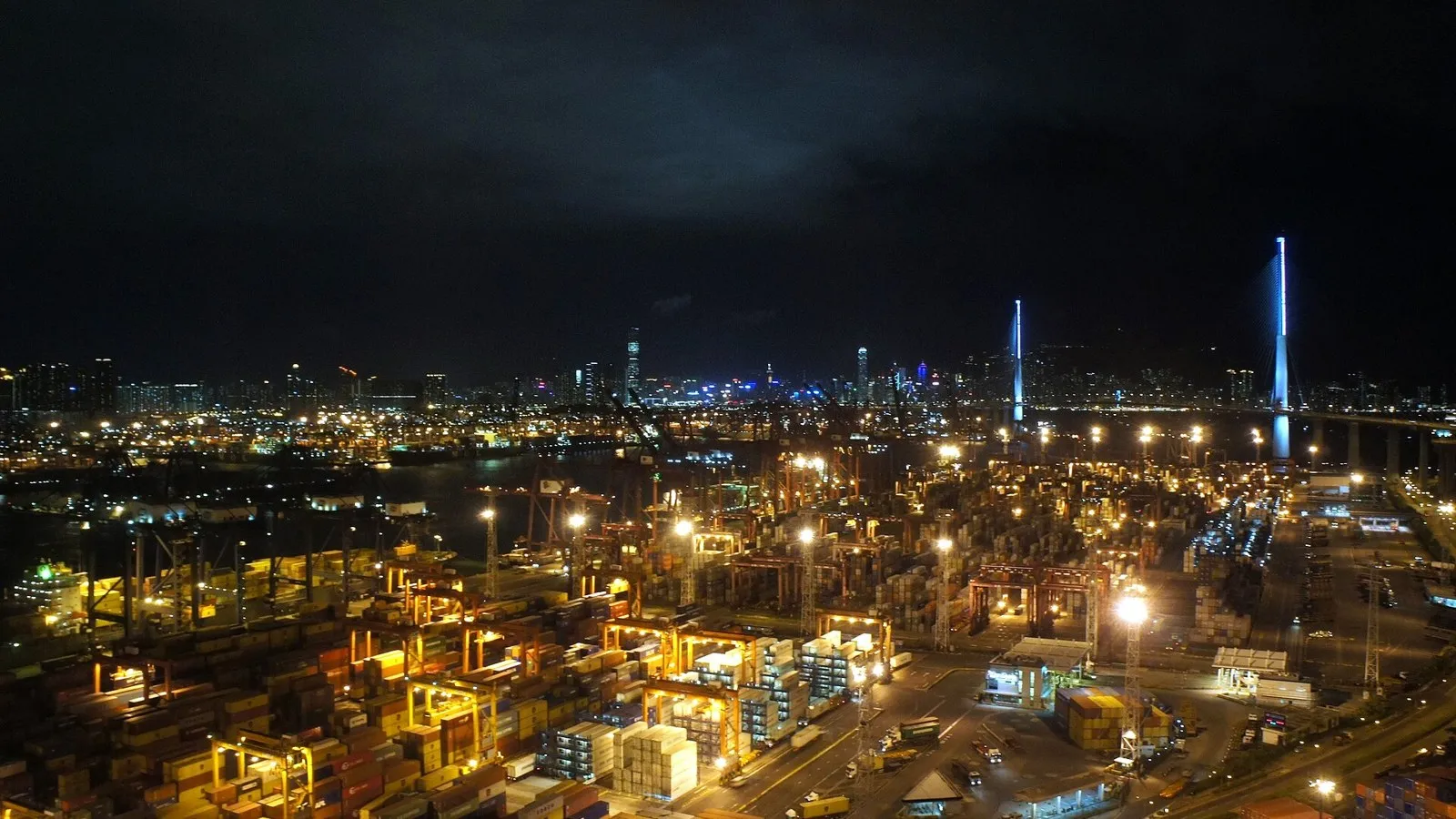
Cover photo: Terminal 9 of the Kwai Tsing Container Terminals in Hong Kong at night, July 2011. The study was released in Hong Kong. Illustrative photo. Photo: Mk2010/Wikimedia Commons, CC BY-SA 3.0 (cropped).
How we choose, write and correct our articles: editorial policy.