A crew member was found unconscious on a vessel at anchor off the east coast of England. The person had head injuries. It happened on Monday, 9 November 2026.
The vessel was in the Bawdsey anchorage. This is about 8 miles east of Landguard, near the port of Felixstowe in Suffolk. Local radio says it was a commercial vessel.
The RNLI has not given the name of the ship or the crew member. RNLI is the Royal National Lifeboat Institution, the charity that runs lifeboats in the UK and Ireland. It has also not said how the injury happened.
How the rescue worked
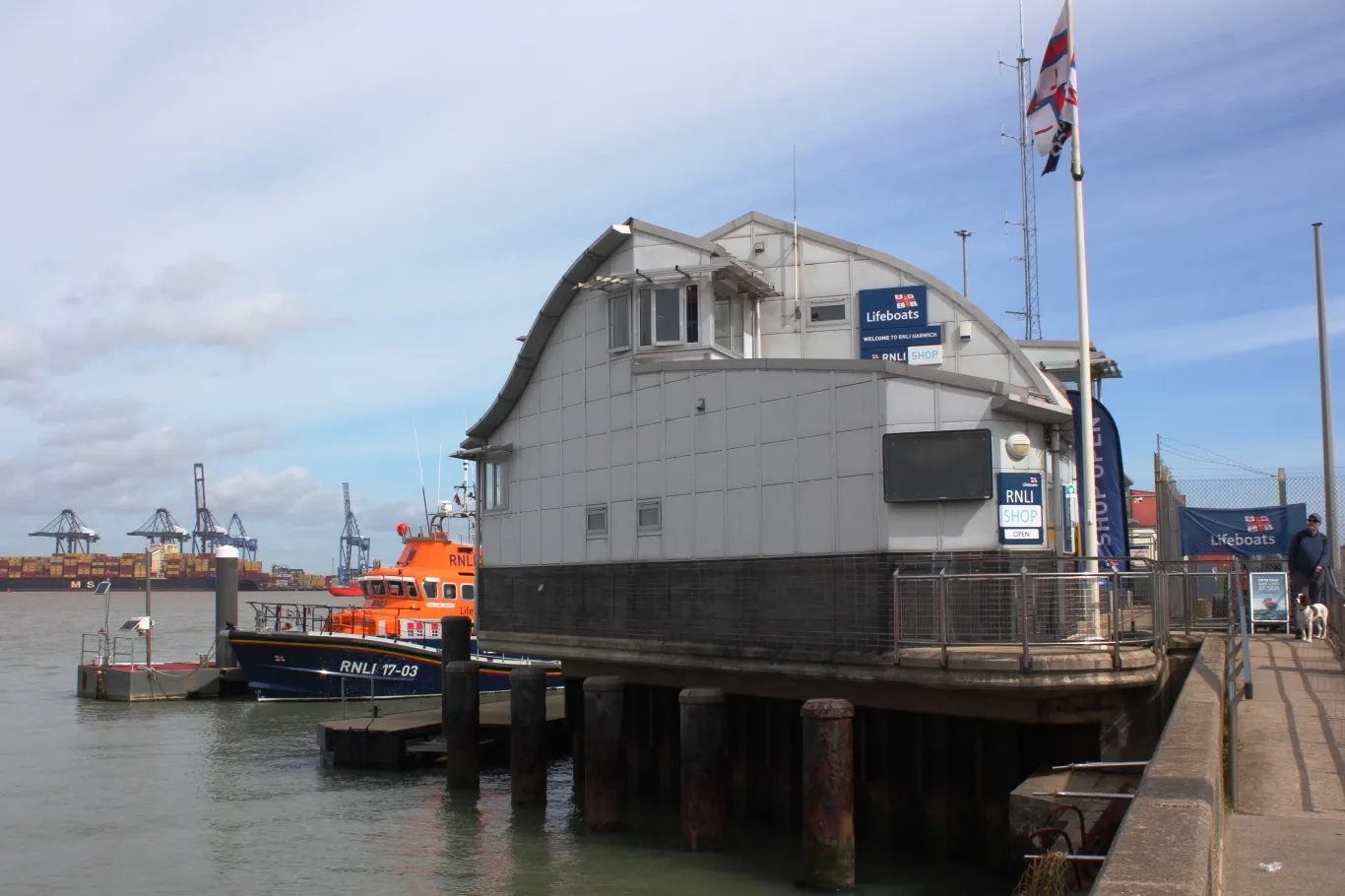
The Harwich lifeboat Albert Brown left at 13:28 UK time. The sea was fairly calm, with a light north-easterly wind. The lifeboat reached 28 knots and arrived 22 minutes after it left its mooring.
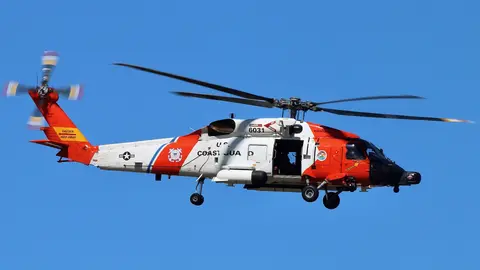
It arrived a few minutes before the coastguard rescue helicopter Rescue 163. Two lifeboat volunteers went on board the vessel. They gave the casualty first aid and got them ready for the helicopter.
The helicopter lifted the casualty on board with its winch. It then flew them to Ipswich Hospital. The RNLI has not said how the crew member is now.
This is not the first head injury on a ship in English waters this autumn. Read how a crew member with a severe head injury was taken off a work ship on the River Thames.
What to do if a crew member is found unconscious
This general advice can help your team act fast. Always follow your ship's medical guide and the advice of the radio doctor.
Raise the alarm at once and call the officer on watch and the medical officer.
Check if the person is breathing. If not, start CPR (chest presses and rescue breaths) and send for the defibrillator.
If the person fell or hit their head, the neck may be hurt. Do not move them unless the place is dangerous.
Keep them warm. Do not give food or drink. Write down the time and what you saw.
Call the coastguard early. In UK waters, call HM Coastguard on VHF channel 16 or by DSC (digital selective calling). They can connect you to a doctor and send help.
Getting ready for a helicopter
Clear a safe area on deck for the winch. Tie down or remove loose items. The strong wind from the rotor can blow them away.
Follow the instructions from the helicopter crew on the radio.
Do not touch the winch wire or hook before it touches the deck or the sea. It can carry a static electric shock.
Have the casualty's passport, seaman's book and a short written note on their condition ready to go with them.
Lifeboats also help fishing crews in bad weather. Read how a lifeboat took an injured fisherman off a French fishing boat near Falmouth. For emergency and welfare contacts, see our useful links for seafarers.
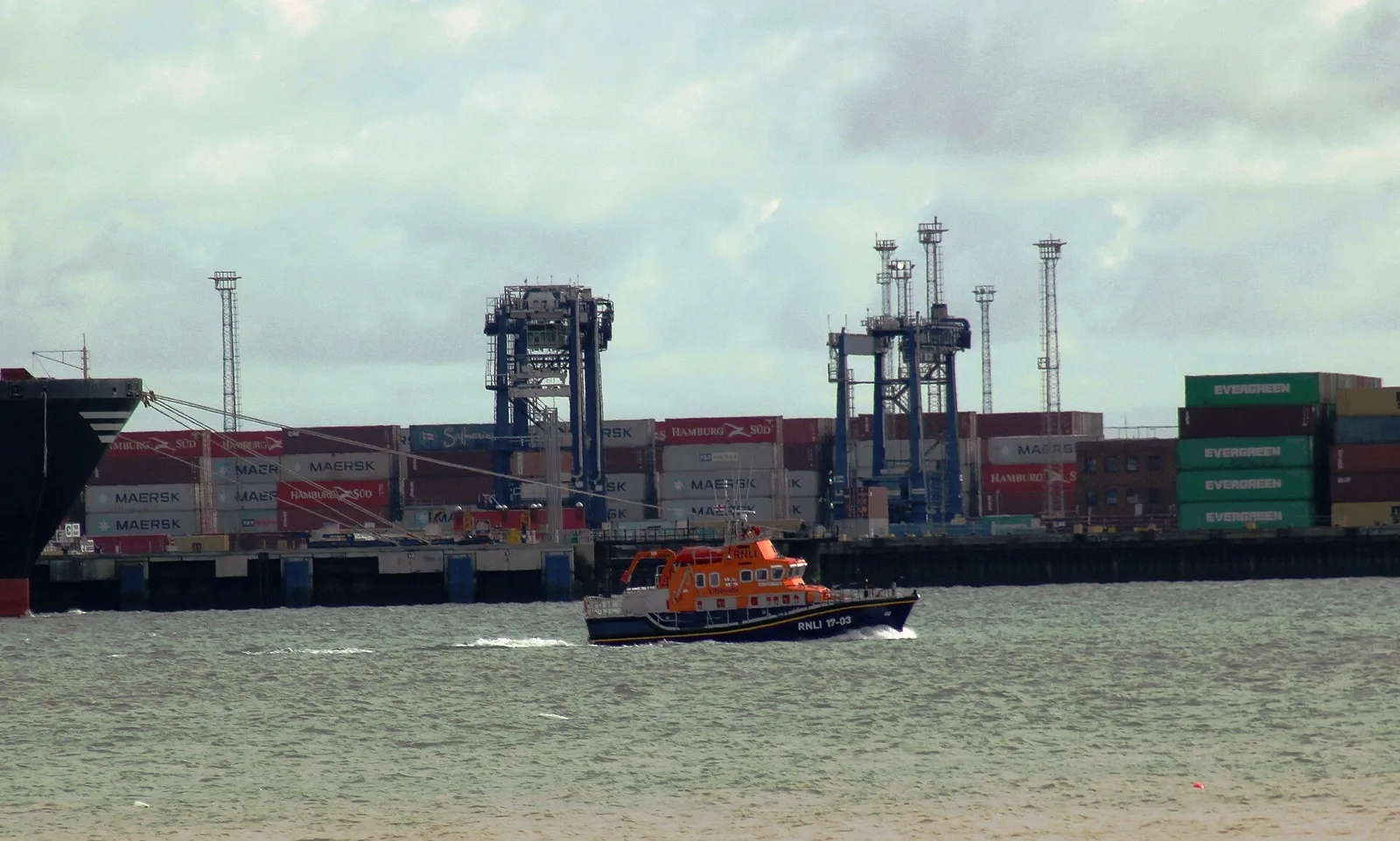
Cover photo: the Harwich lifeboat Albert Brown passes Felixstowe docks on an exercise, September 2024. Illustrative photo, not from this rescue. Photo: Geof Sheppard/Wikimedia Commons, CC BY-SA 4.0.
Sources: BBC News: Lifeboat crew rescues unconscious sailor at sea (10 Nov 2026), Essex County News: Harwich RNLI rescues injured crew member from vessel (Nov 2026), Greatest Hits Radio Essex: Harwich RNLI airlift crew member with head injury from vessel (Nov 2026).
How we choose, write and correct our articles: editorial policy.