Update, 22 November 2026: The cargo ship Fast Jef is off the rocks. Salvage teams freed it shortly after 14:00 on Saturday, 21 November, Afloat.ie reports, citing the Irish Coast Guard.
First the salvage teams checked the hull and the safety of the ship. They decided it was safe to move, the Department of Transport said. Tugs then towed the ship to Rosslare Europort, a port in County Wexford. More inspections were done there, RTÉ News reports. The cause of the grounding is still not known.
The first story follows.
An 88-metre cargo ship ran aground early on 17 November 2026. It happened at Roney Point in County Wexford, on the east coast of Ireland. A coast guard helicopter lifted all six crew off the ship. Nobody was hurt.
It happened just after 02:00 local time, RTÉ News reports. The Irish Coast Guard's rescue centre in Dublin, the Marine Rescue Coordination Centre (MRCC), led the response.
How the rescue went
The MRCC in Dublin sent the coast guard helicopter Rescue 116, the local Courtown Coast Guard Unit and three RNLI lifeboats. The RNLI is the volunteer lifeboat service. The lifeboats came from Rosslare, Courtown and Arklow.
The helicopter took all six crew off the ship. It flew them to Weston air base near Dublin.
The Coast Guard says none of the crew were injured.
At first the ship stayed aground. The Coast Guard watched it and was in contact with the owners.
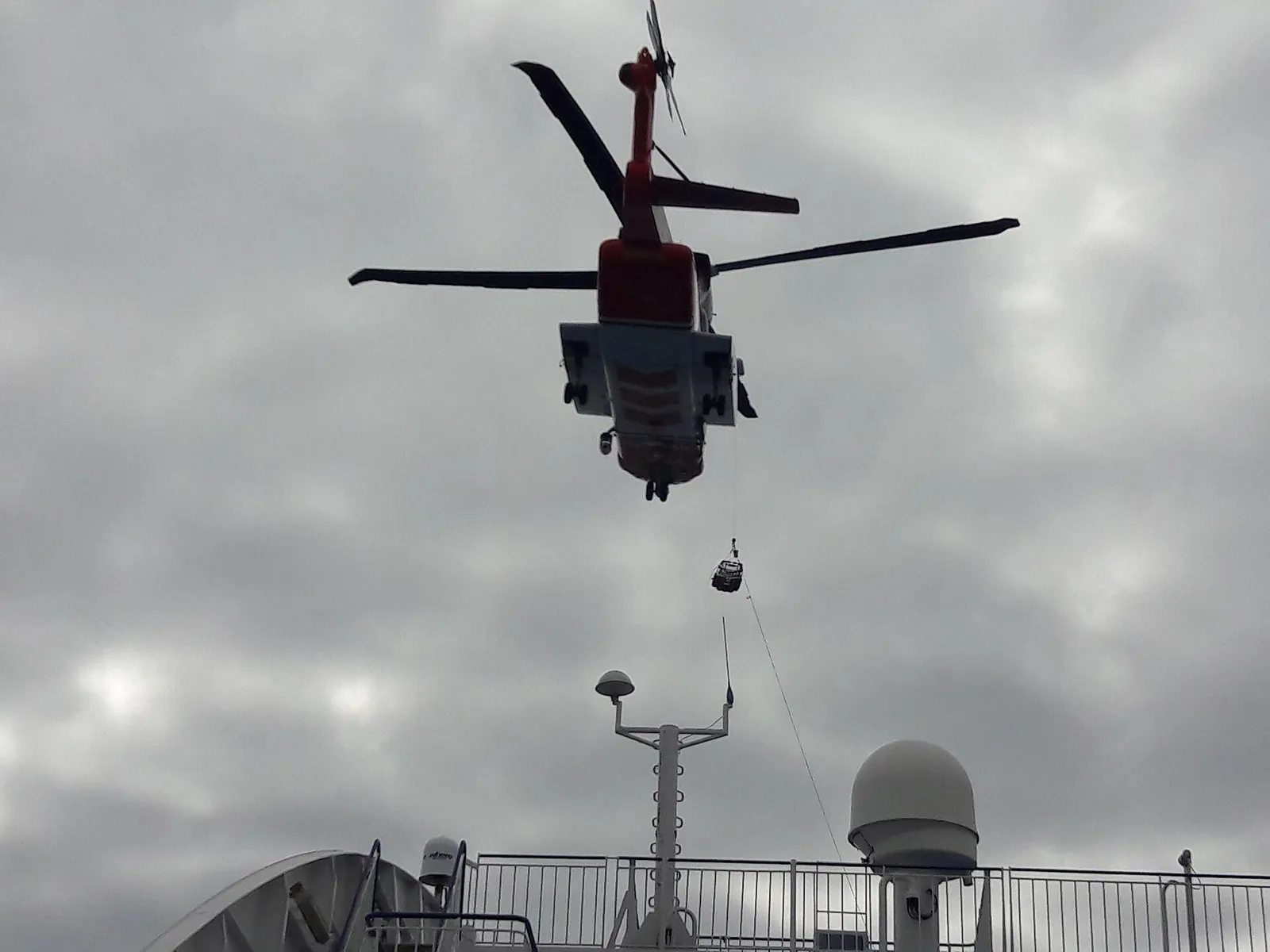
The ship is the cargo ship Fast Jef. It sails under the flag of Belgium, RTÉ News says. It was sailing from Belfast to Spain, the website Irish Lifeboats reports. It was carrying scrap metal, The Fishing Daily reports. The reports do not give the nationality of the crew.
The owner is Fast Lines Belgium. Its chair, Catrien Scheers, said all crew members are in good health. She said it is too early to talk about the cause or the damage. Health staff checked the six crew at Weston Airport, and all were released, RTÉ News reports.
The cause of the grounding is not known. The weather was bad that night. A yellow gale warning for the sea and a small craft warning for strong winds started at midnight, TheJournal.ie reports.
The ship stayed aground for four days. The Irish Coast Guard planned to use drones and an aircraft to check it for damage. Kevin Whitney, its head of operations, told The Irish Times this.
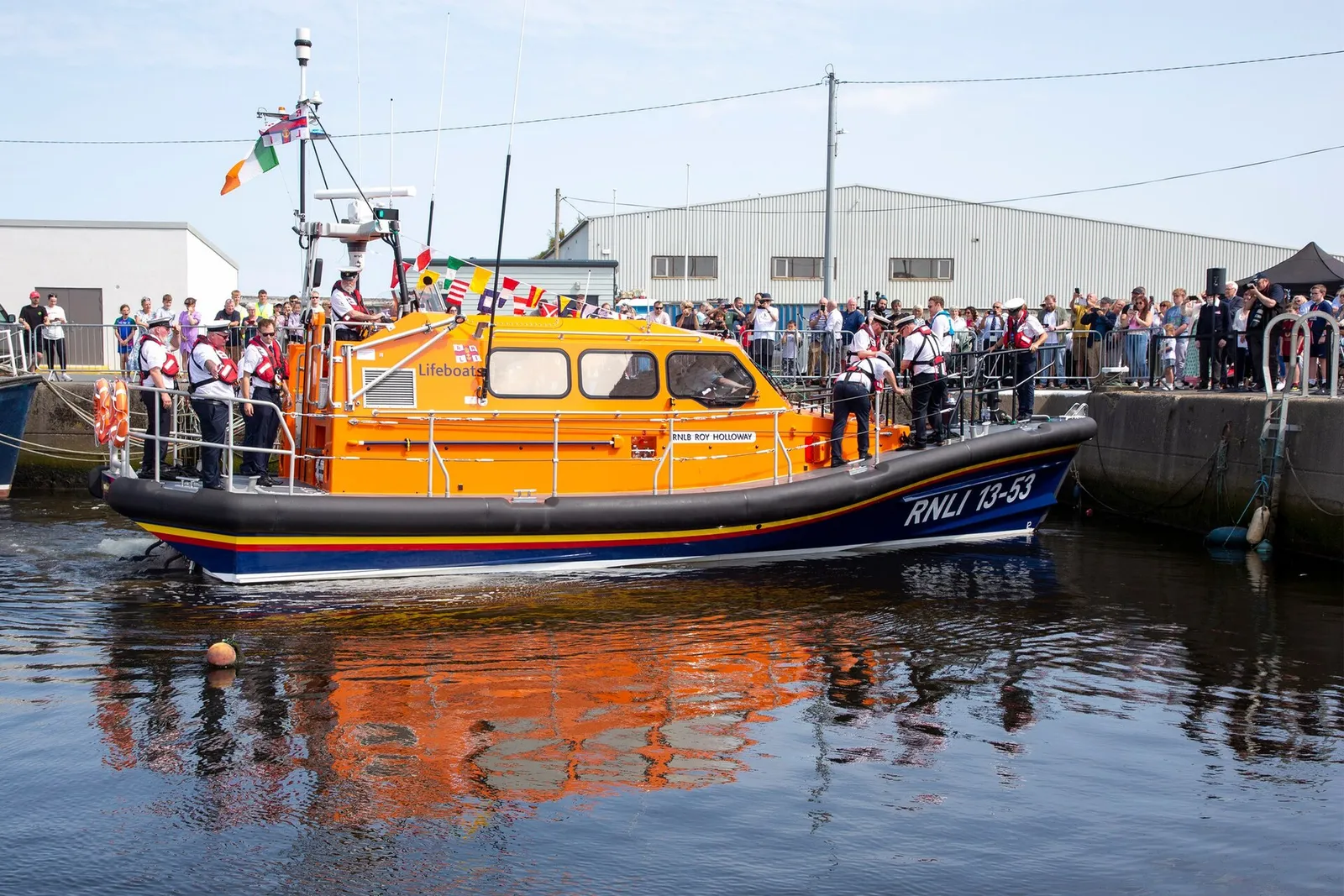
Crewboard has reported other ships in trouble in bad weather. One example is the cement carrier that lost its engine in a storm off Samcheok in South Korea.
If a helicopter has to lift you off a ship
Wear a lifejacket and warm clothes. At night, also carry a torch or wear a lifejacket light. Go to the muster point and wait there.
Tie down or remove loose things on deck, like covers, ropes and rubbish. The wind from the rotors is very strong and can throw them into the air.
Do not touch the wire or the hook until it has touched the deck or the sea. The wire can carry a strong electric charge from the helicopter.
Never tie the wire or the hook to the ship. The winch operator must be able to move it freely.
Do what the helicopter crew tells you. Usually a crew member comes down first and puts each person into a strop or a stretcher. A strop is a padded loop that goes around your back and under your arms.
Take only your passport, seaman's book and phone, in a small waterproof bag. Leave your luggage behind if you are told to.
If your ship runs aground
Sound the general alarm and tell the Master at once.
Check for water coming in. Take soundings of tanks and empty spaces, and look in the engine room.
Call for help early. Use VHF channel 16 or DSC (digital selective calling) to reach the coast guard. Give your position, the number of people on board and what is happening.
Prepare to leave the ship, but leave only when the Master says so. Often the ship is safer than the water, especially in a storm at night.
Phone numbers of rescue centres and other official help lines are on Crewboard's useful links for seafarers page.
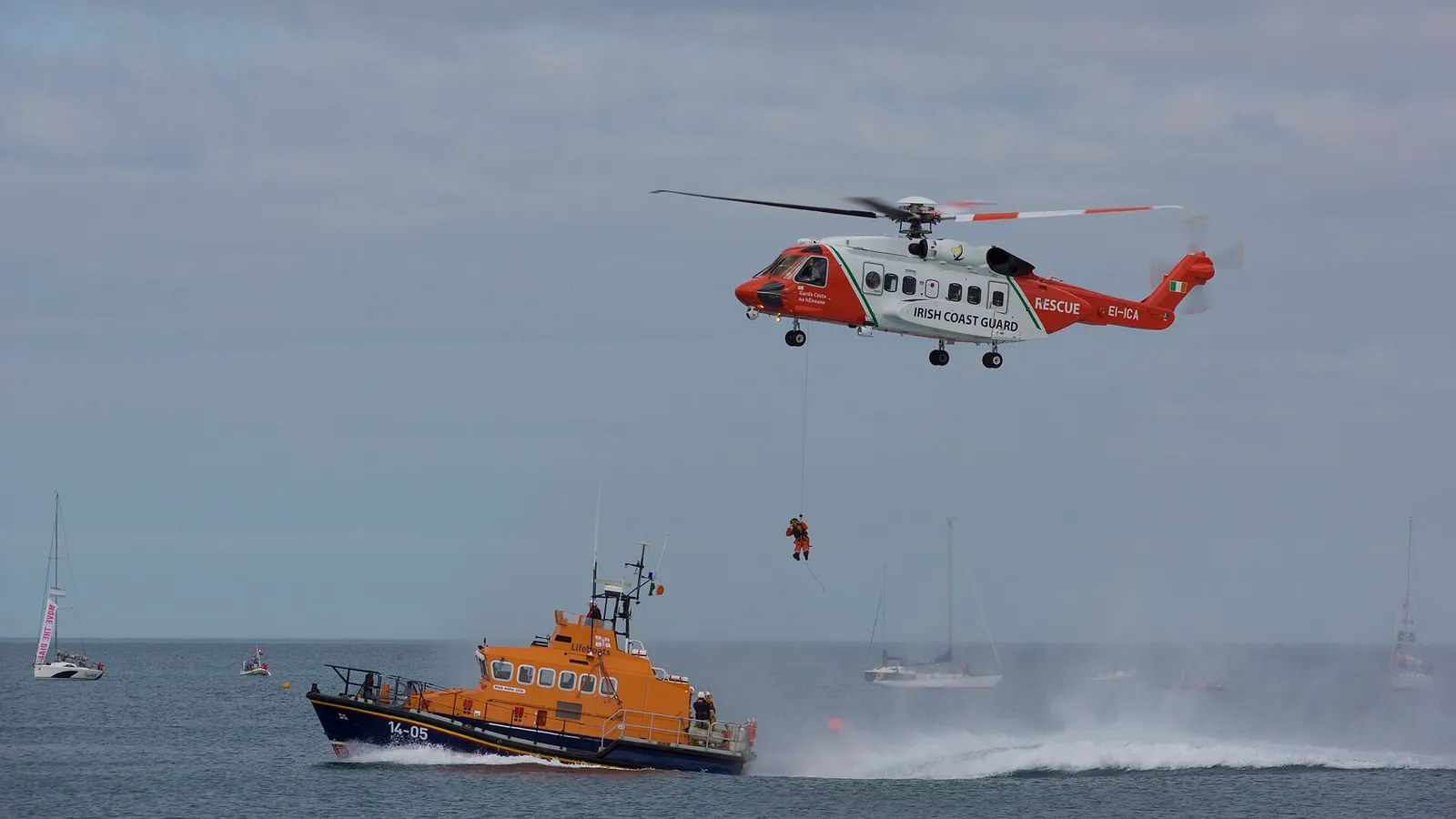
Cover photo: An Irish Coast Guard Sikorsky S-92 helicopter lowers a crew member on a wire, July 2014. An RNLI lifeboat passes below. Illustrative photo, not the rescue at Roney Point. Photo: Miguel Mendez/Wikimedia Commons, CC BY 2.0.
Sources: Afloat.ie: Fast Jef refloated and under tow to Rosslare Europort (21 Nov 2026), RTÉ News: Grounded cargo vessel off Co Wexford coast refloated and towed (22 Nov 2026), RTÉ News: Six rescued after vessel runs aground on Wexford coast (17 Nov 2026), TheJournal.ie: Six crew members rescued after their vessel runs aground in Co Wexford (17 Nov 2026), South East Radio: Six crew members airlifted to safety after cargo ship runs aground off Wexford coast (17 Nov 2026), Irish Lifeboats: Multi-agency rescue operation brings six crew members to safety (17 Nov 2026), The Fishing Daily: Six crew rescued after cargo vessel grounds off Wexford (17 Nov 2026), The Irish Times: Six crew members rescued after cargo vessel ran aground off coast of Wexford (17 Nov 2026).
How we choose, write and correct our articles: editorial policy.