A new report looks at how seafarers' certificates are checked today. It says the paper system causes delays, fraud risks and privacy problems. The report is called "Securing Trust: The Transition to Digital Seafarer Credentials". It was published on 28 October 2026.
The report was written by Thetius, a maritime technology research company, together with Maritime Passport. Maritime Passport is a company that builds digital identity and certificate systems for seafarers. So it has a business interest in this topic. The report is based on interviews with flag administrations, the IMO (International Maritime Organization), training centres, crewing companies, inspectors and ship masters.
What the report found
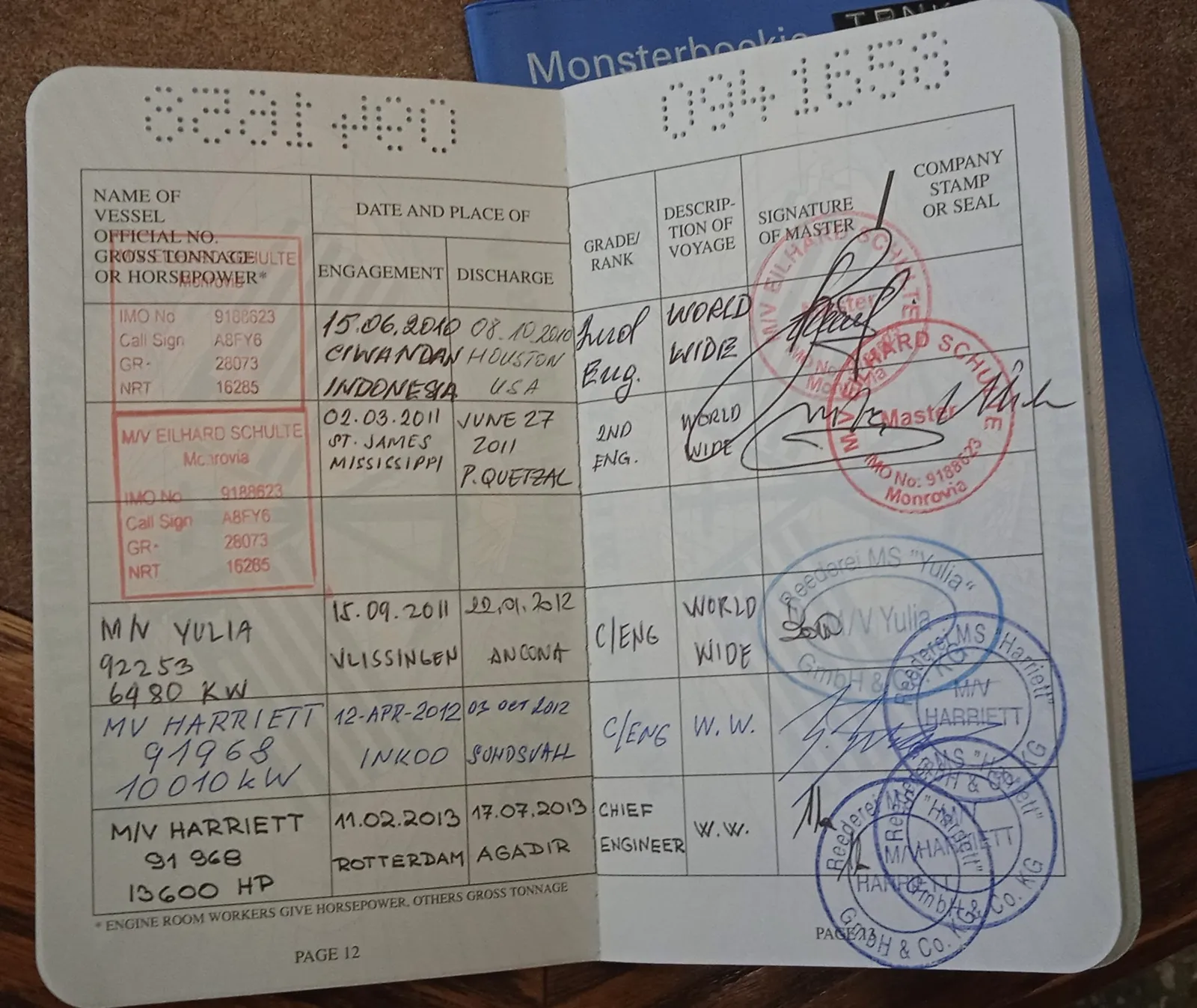
About 2.57 million seafarers work on more than 85,000 merchant ships. Most of their certificates are still on paper or in scanned copies. Some seafarers carry paper documents that weigh up to four kilograms, the report says.
Checking the certificates of one seafarer can take a crewing team one to two hours. Teams often email the issuer and wait for a reply.
Preparing documents for one port call takes 191 minutes on average, according to an industry survey quoted in the report. 64% of port calls still use paper or a mix of paper and digital files.
Paper certificates and sea service records can be lost or damaged. Getting new ones can mean contacting several authorities. During that time the seafarer may not be able to work.
There are thousands of training centres and many national formats. So inspectors cannot always tell a real certificate from a fake one just by looking at it.
Scans of passports and certificates are often sent by email. They stay for years on ship computers and company servers. This is a risk for the seafarer's personal data.
The report says that a PDF does not fix these problems. A PDF copy can look real but still be hard to check. Instead, a digital certificate should be easy to check with the authority that issued it.
What the rules already allow
Since 1 January 2025, the STCW Convention allows certificates in electronic form. STCW is the international convention on training, certification and watchkeeping for seafarers. The change came with IMO resolution MSC.540(107).pdf). An electronic certificate in a format approved by the flag state counts as an original.
Some flag states already issue digital certificates. The report names the UK, Singapore, Denmark and Liberia. Crewboard also wrote about Malta's digital-only Seaman's Record Book and a BIMCO test of digital certificates.
What the report asks for
Common rules from international bodies and flag states on when a digital certificate is valid, how it is checked and how personal data is protected.
A slow change. Paper certificates, digital copies and new digital certificates should all work side by side for some time.
Open standards, so that no flag state or company is locked into one technology provider.
Help for smaller and poorer administrations, so that seafarers from those countries are not left behind.
"Moving from paper to digital means protecting a seafarer's identity, qualifications, and ultimately their livelihood," said Peter Phillips, co-founder of Maritime Passport. The trade magazine Riviera also reported on the report.
What seafarers can do now
Keep your original certificates in a safe, dry place. Keep good copies separately, so you can prove what you hold if something is lost.
Only send scans of your passport and certificates to companies you have checked. Do not post them in open chats or groups.
If you receive a digital certificate, ask the issuer how an employer or inspector can check it.
Check with your flag state which electronic certificates it accepts before you rely on them.
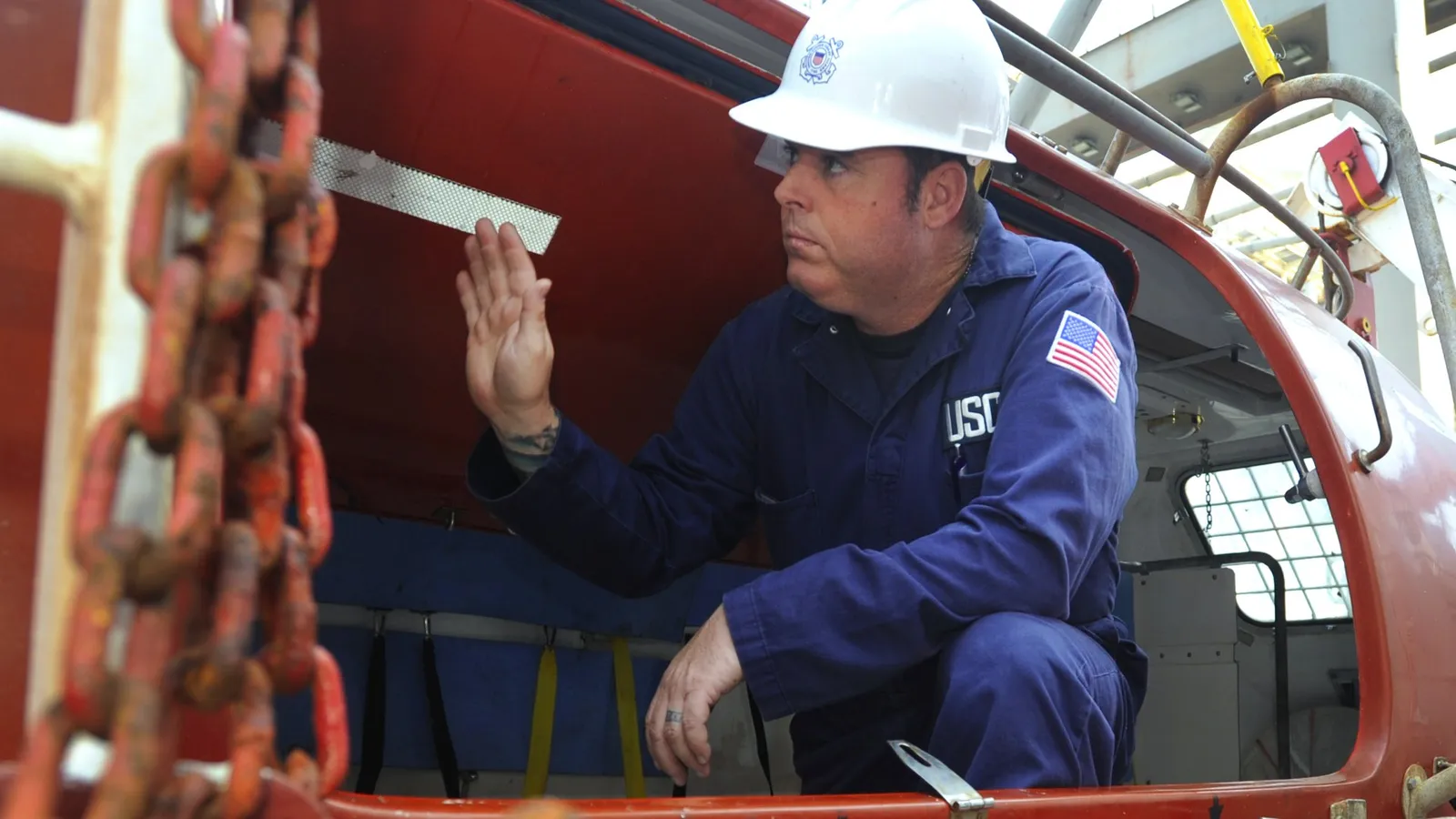
Cover photo: A US Coast Guard inspector checks a lifeboat on the ship Texas during a port state control exam in the Port of Los Angeles, August 2012. Port state control inspectors also check crew certificates. Illustrative photo. Photo: US Coast Guard/Wikimedia Commons, public domain (cropped).
Sources: Thetius, 28 Oct 2026: Securing Trust: The Transition to Digital Seafarer Credentials (report with Maritime Passport), World Ports Organization, 28 Oct 2026: New report exposes critical need for trusted digital seafarer credentials, Riviera: Shipping needs an interoperable digital framework for seafarer certification, IMO: Resolution MSC.540(107), amendments to the STCW Convention (electronic certificates).
How we choose, write and correct our articles: editorial policy.