Ships near the Strait of Hormuz may be stopped, questioned and searched by US forces. This is the message of a new advisory note from the Joint Maritime Information Center (JMIC). The JMIC is a naval centre that shares security information with merchant ships in the region. It published the note on 28 October 2026.
The note shares a message from US Naval Forces Central Command (NAVCENT). It says the United States is enforcing a blockade of all Iranian ports and coastlines. The blockade applies to all ships, whatever their flag or owner.
The note covers the Gulf, the Strait of Hormuz, the Gulf of Oman and the Arabian Sea. The JMIC keeps the regional threat level at SEVERE.
Ships that do not trade with Iran can also be stopped
The note talks about "neutral" ships. These are ships with neutral cargo, or with no cargo, that sail between ports outside Iran. Such ships in the Gulf of Oman and the Strait of Hormuz may still be questioned, visited and searched. US forces want to confirm that the ship is not trying to break the blockade.
Ships that do not need to go through the area should stay well clear, the note says. This helps them avoid delays.
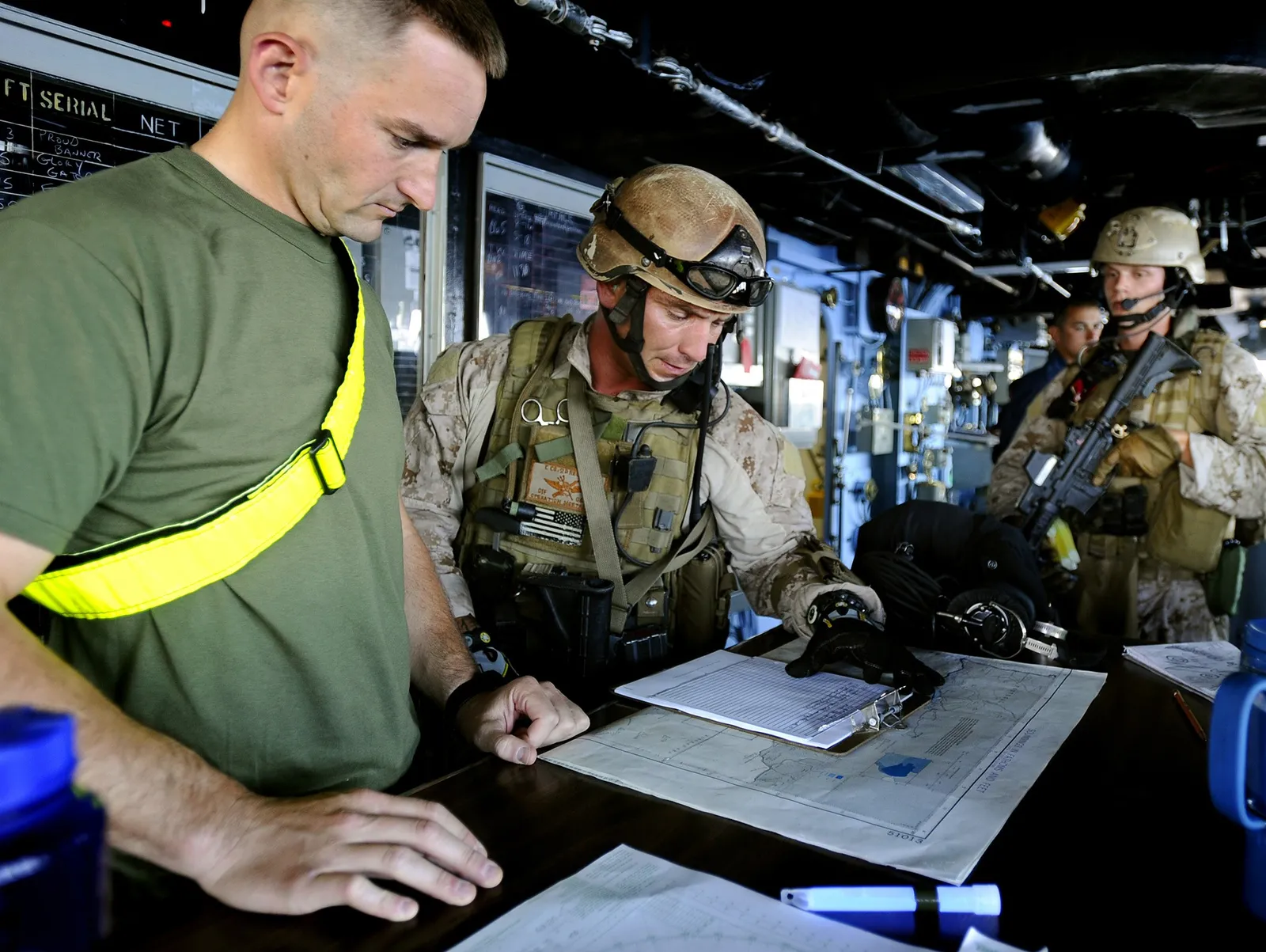
What the bridge team should do
Keep a continuous listening watch on VHF channel 16, the international distress and calling channel.
Follow all directions from US forces.
Be ready to change course or stop the ship when US forces tell you. This includes coming "dead in the water" (DIW), which means stopping the ship completely.
Plan extra time for the passage. Traffic is heavier, and the blockade checks can take time.
Documents to have ready
US forces may ask to see these documents. Have the ones that apply to your ship ready:
Port and customs clearance from the last port of call.
Bill of lading, if the ship carries cargo. This is the document that lists the cargo and who ships it.
Certificate of registry, which shows the ship's flag.
A letter of appointment from the agent at the next port of call. It must be signed and stamped. An email is not enough.
Receipts or signed contracts for provisions, bunkers (fuel), spare parts, repairs or crew change at the next port.
A booking confirmation from the terminal, port or berth at the next port.
All documents must be signed or stamped, and saved as PDF files. Masters may want to prepare these files before the ship reaches the area.
Who to contact
NAVCENT NCAGS (Naval Cooperation and Guidance for Shipping): m-ba-navcent-ncags@us.navy.mil
UKMTO (UK Maritime Trade Operations): watchkeepers@ukmto.org, phone +44 (0)2392222060
The World Ports Organization and TradeWinds also reported the warning. The note does not say how long the blockade will last.
Ships in this area have also been attacked in recent weeks. Crews should keep following the latest UKMTO warnings and their company's security plan.
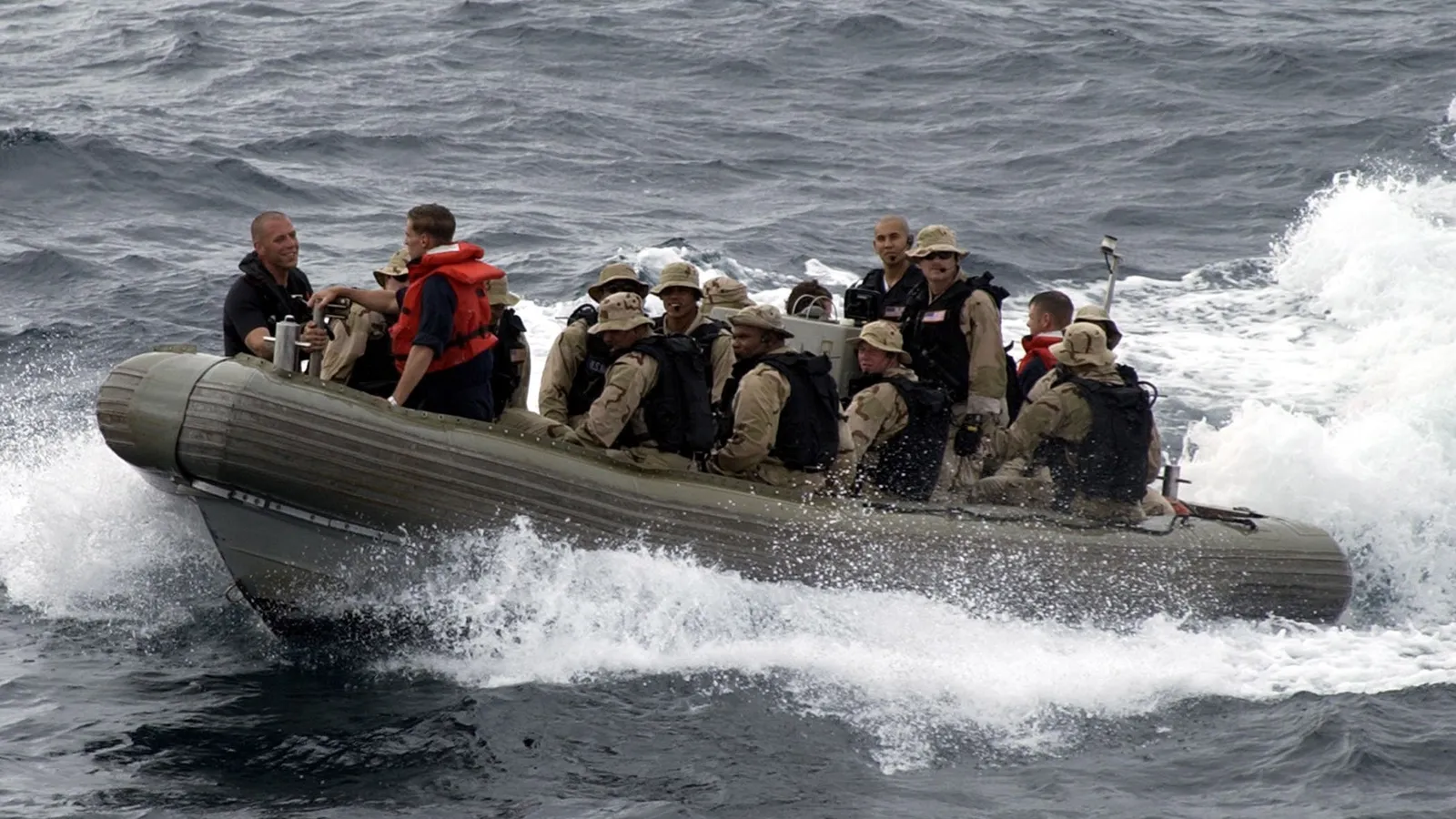
Cover photo: A US Navy boarding team from the destroyer USS Stump goes to a merchant ship in a rigid hull inflatable boat during a training exercise in the Pacific Ocean in July 2003. Illustrative photo. Photo: U.S. Navy/Photographer's Mate 1st Class Marthaellen L. Ball, public domain (cropped).
Sources: JMIC Advisory Note 016-26: Blockade Enforcement, 28 Oct 2026 (PDF, UKMTO), World Ports Organization: US warns neutral ships may be stopped and searched in Gulf, TradeWinds: US warns neutral ships they may be stopped and searched in Gulf.
How we choose, write and correct our articles: editorial policy.