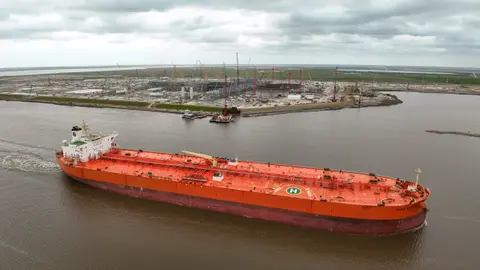
On 4 November 2026 the US Treasury sanctioned a network based in Chandigarh, India. The Treasury says the network ran fake ship registries. It gave false flags and false certificates to tankers that carry Iranian oil.
A ship registry is the office of a country that records a ship under its flag. A real registry checks that the ship meets international safety rules. A false flag is a flag from a registry that the country never approved. It can also be a flag that a ship claims without any registration.
What the Treasury says
The network is led by Suniel Kumar Sharma and his wife, Jaspreet Preeti Shahid. The Treasury says their activity started as early as 2014.
The network bought web domains and made websites that looked like official registries. These sites offered flagging, seafarer training and certification, and ship classification.
The countries named on these websites had not allowed them. The Treasury lists Aruba, Guyana, Mali, Mozambique, Malawi, Sint Maarten and Timor-Leste, among others.
In 2023 Sharma set up a company in Singapore called Eswatini Maritime Affairs and International Ship Registry. The government of Eswatini publicly said it had no link with it. The company still flagged tankers carrying Iranian oil, the Treasury says.
Tankers named by the Treasury include PING SHUN (IMO 9231901), LATTAFA (IMO 9245794), BINARY STAR (IMO 9380570) and VERA (IMO 9304655).
On 22 April 2026 US forces seized the tanker MAJESTIC X, formerly PHONIX (IMO 9198317). It had a false Guyana flag and was carrying Iranian oil.
The Treasury also sanctioned several India-based companies of the couple. These include Oceaniek Technologies India and Aryavart Ship Management Private Limited. Two directors, Ashwani Kumar Dhiman and Ishwinder Singh, were also sanctioned.
Post on X
Loading it connects to X, which may set cookies and see your visit. See our Privacy policy.
Why this matters for crews
The Treasury says false flags let ships avoid international rules that protect crew safety. It also says falsely flagged ships have no valid protection and indemnity (P&I) insurance. P&I insurance usually pays for crew injury, illness, death and repatriation claims.
The IMO says the same. Ships with a fraudulent registration may not meet safety rules, and this puts their crew in danger. In April 2026 the IMO Legal Committee agreed new guidelines against fraudulent registration.
Many of these tankers sail in the Gulf and the Gulf of Oman. Ships linked to Iranian oil may also be stopped and searched there. See our post on the US blockade of Iran.
Red flags from the US warning
On the same day the US Office of Foreign Assets Control (OFAC) published a warning about false flags. It lists these warning signs:
The ship's flag is unknown or missing in ship databases.
The flag is from a country that databases often list as false.
The ship's MMSI number has a country code that does not match its flag. The MMSI is the nine-digit radio identity number of the ship.
The flag is from a country that has no known ship registry.
The registration papers cannot be checked.
Fake registry websites can look very real. OFAC says they often use a slightly wrong web address.
How to check a ship before you sign on
Ask the crewing agency for the ship's name and IMO number. Look it up in the IMO's free public database GISIS under Ship and Company Particulars. The IMO marks a flag as FALSE or UNKNOWN when it knows of a problem.
Ask for a copy of the ship's registry certificate. Find the flag country's maritime authority on its government website. Do not trust a link that the agency sends you.
Ask for the name of the P&I insurer. Check that the insurer is real and that the ship is on its list.
Get your flag endorsement or any training certificate only from the real maritime authority. Never buy certificates from a "registry" website.
Check that your own certificates are genuine. Our guide to checking a seafarer certificate online shows how.
If you are already on a ship with a doubtful flag, keep copies of your contract, pay slips and documents. Send them to your family or union.
For union and welfare help, see official help lines for seafarers.
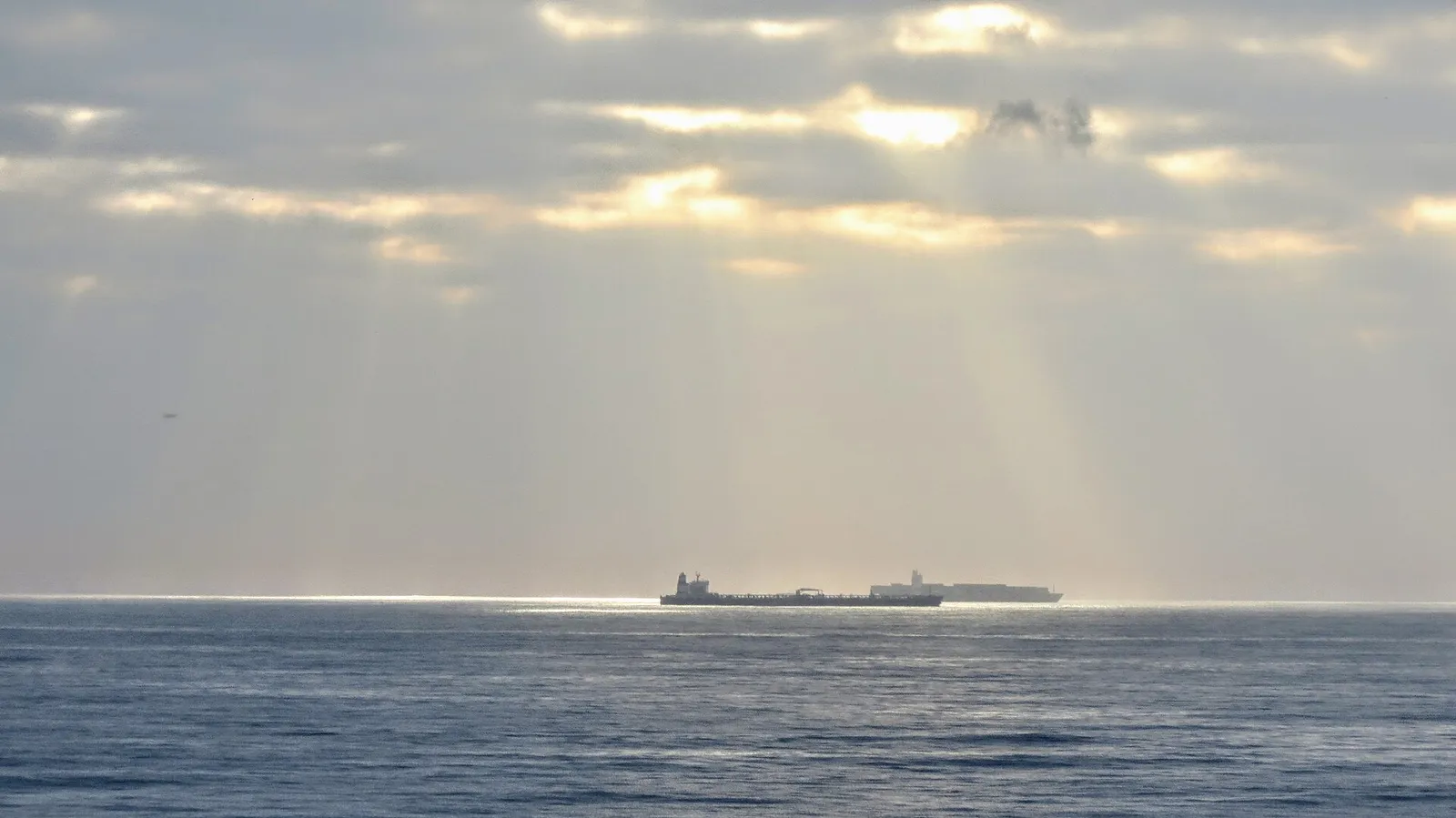
Cover photo: A tanker at anchor waits to enter Durban harbour, South Africa, February 2020. Illustrative photo, the ship is not linked to this story. Photo: Clusteringcoefficient/Wikimedia Commons, CC BY-SA 4.0.
Sources: US Treasury press release sb0681: Treasury targets network providing false flags and fraudulent registries to Iran's shadow fleet (4 Nov 2026), OFAC Alert: Iranian shadow fleet reliance on false flags for sanctions evasion (4 Nov 2026, PDF), IMO: Legal Committee work on fraudulent registration of ships, IMO GISIS public database: Ship and Company Particulars, IMO: GISIS shows ships with false or unknown flags.
How we choose, write and correct our articles: editorial policy.