Vietnamese sea rescuers took a sick Filipino seafarer off the LPG tanker GAS DIAMOND early on 17 November 2026. The ship was passing through Vietnamese waters, about 34 to 38 nautical miles south-southeast of Cape Vung Tau. LPG means liquefied petroleum gas. The seafarer had strong pain in the lower right part of his belly. The rescue centre said it could be acute appendicitis.
The Vietnam Maritime Search and Rescue Coordination Center (MRCC) handled the case. It says the man is 36 years old and works in the engine department. The ship is a Liberian-flagged tanker. Reports say his condition was getting worse and could become life-threatening. The Master asked for an urgent medical evacuation.
How the rescue went
The ship owner's representative first told the MRCC about the case at 00:36 local time, Vietnam's VOV radio reports.
The MRCC arranged medical advice by radio through the coast radio station in Ho Chi Minh City. It told the crew how to give first aid while they waited.
At 03:09 the MRCC sent its rescue ship SAR 272 from Vung Tau. Two doctors from the Ho Chi Minh City Border Guard came with medical equipment and medicines.
At about 05:00 SAR 272 came alongside the tanker. The doctors treated the seafarer on the spot and took him on board.
The rescue ship reached the port in Vung Tau early in the morning. Reports give 06:40 or 07:15. He was handed over to the ship owner's representative and local officials and taken to Vung Tau General Hospital.
The GAS DIAMOND is a small gas tanker, about 120 metres long, built in 2012. The authorities have not said anything more about the seafarer's health since he reached hospital.
Crewboard has covered other recent medical evacuations, such as the Azores helicopter rescue of an Indian seafarer with a broken arm and the LNG tanker that picked up a sick fisherman off Sri Lanka.
What to do if you get seriously ill on board
Tell the officer of the watch or the Master early. Do not hide strong pain because you fear losing your contract. Early help makes an evacuation easier and safer.
The Master can get free medical advice by radio from a coast radio station or a telemedical service (doctors who give advice to ships). Write down your symptoms, when they started, your temperature and any medicine you took. This helps the doctor.
If you are going to be moved to a rescue boat, wear a lifejacket. Take your passport, seaman's book, medical records and phone. Leave heavy bags behind if the crew tells you to.
Ask the company or the agent to tell your family where you are and which hospital you are in.
Know your rights. Under the Maritime Labour Convention (MLC), seafarers have the right to medical care on board and ashore, in principle at no cost to them. The shipowner pays full wages while you are sick on board or until you are sent home. After that, sick pay depends on national law or your collective agreement, but it must normally cover at least 16 weeks.
Keep copies of all medical papers and hospital bills. You may need them for a sick pay or insurance claim later.
Official help lines and certificate checks are listed on Crewboard's useful links for seafarers page.
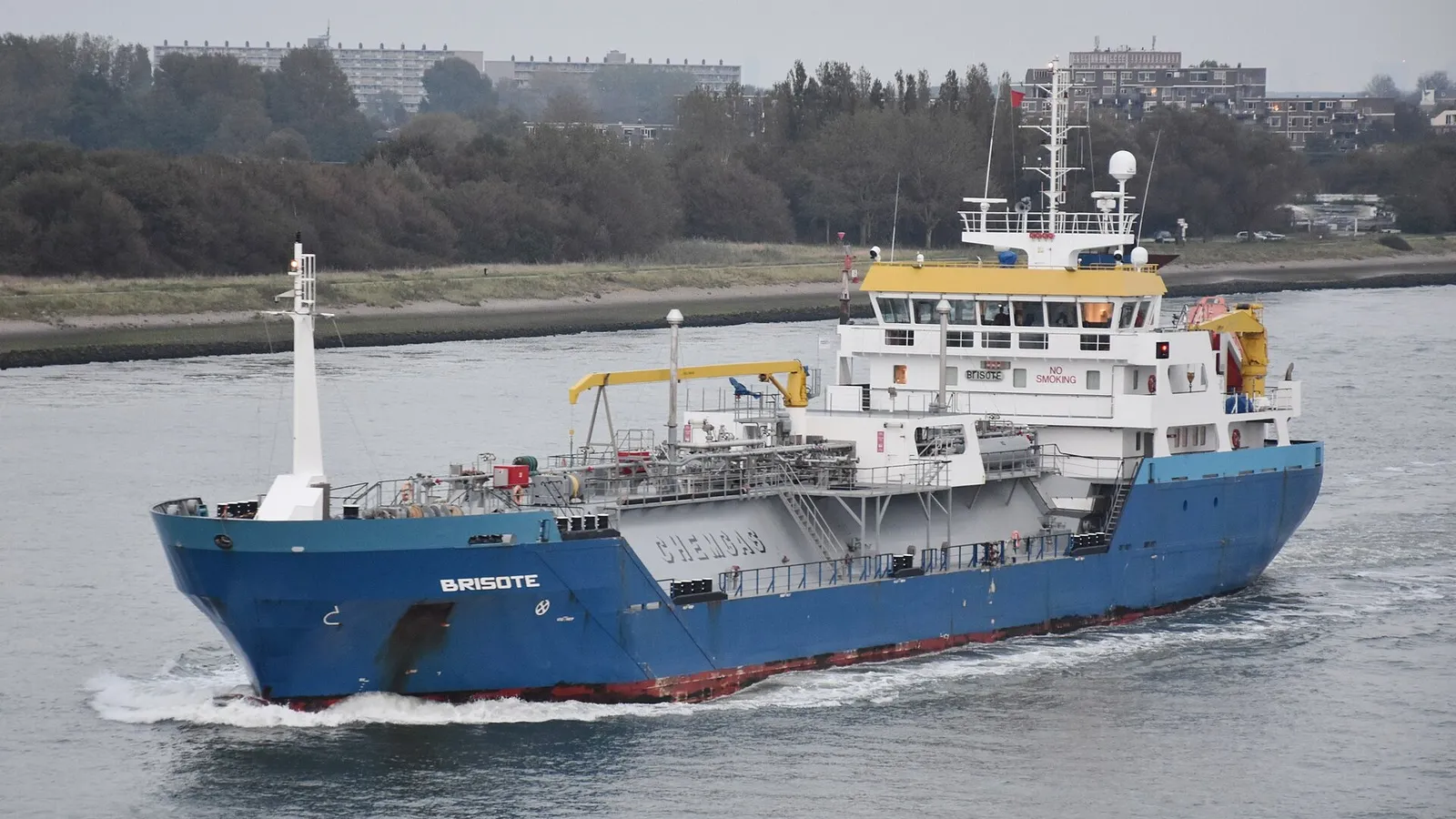
Cover photo: The LPG tanker Brisote on the Nieuwe Waterweg near Rotterdam, the Netherlands, in October 2020. Illustrative photo of a similar small gas tanker, not the GAS DIAMOND. Photo: Niels Johannes/Wikimedia Commons, CC BY-SA 4.0.
How we choose, write and correct our articles: editorial policy.