Many seafarers ask the same question: can I go ashore when my ship is in port? The short answer is yes. International rules protect shore leave. But port authorities can refuse it for some reasons, and work on board can make it short.
This guide explains the rules as of November 2026. It is for seafarers of all ranks on ships in international trade, in any country. National rules in each port can add details, so always check with your agent too.
Why this question keeps coming up
In March 2026, the German Seafarers' Mission asked seafarers in 16 ports about shore leave. It used 1,199 answers from seafarers covered by the Maritime Labour Convention (MLC). 89% said shore leave was generally possible in their port. But the median time ashore was only four hours. Read the survey summary.
67 seafarers said they could not go ashore in their current port. The main reasons were the authorities (37%), the workload (33%) and the master (19%). Other reasons were the shipping company (6%) and crew change (4%).
The latest Seafarers Happiness Index also shows the problem. Seafarers gave shore leave only 5.46 out of 10 in the third quarter of 2026. That was the lowest score of all ten areas, Splash247 reports.
What the rules say
The Maritime Labour Convention (MLC)
MLC Regulation 2.4 says: "Seafarers shall be granted shore leave to benefit their health and well-being and consistent with the operational requirements of their positions." This means your employer must allow shore leave. But it can depend on your watch and on work such as cargo operations.
The FAL Convention
The IMO Convention on Facilitation of International Maritime Traffic (FAL Convention) sets rules for port authorities. Its annex, as amended in 2016.pdf), says:
Standard 3.44: crew members shall be allowed ashore while their ship is in port. The arrival formalities must be finished first. Authorities can refuse only for reasons of public health, public safety or public order.
Since 1 January 2018, Standard 3.44 also bans discrimination. Shore leave must not depend on your nationality, race, colour, sex, religion, political opinion or social origin, or on the ship's flag.
Standard 3.44bis: if authorities refuse shore leave, they must tell the seafarer and the master why. If you or the master ask, they must give the reasons in writing.
Standard 3.45: crew members shall not need a visa for shore leave.
Standard 3.47: crew members shall not need a special permit, such as a shore leave pass.
Standard 3.10: your passport or seafarer's identity document is the basic document for the authorities. Recommended Practice 3.48 says documents asked for on shore leave should be limited to these.
The IMO explained the 2018 changes in a press briefing.
Port security rules (the ISPS Code)
The International Ship and Port Facility Security (ISPS) Code covers port security. Paragraph A/16.3.15 is about the security plan of each port facility. The plan must have procedures for shore leave, crew changes and visits from seafarers' welfare and labour organisations. This applies at all security levels, as IMO circular MSC.1/Circ.1342 explains.
In 2010, the IMO Facilitation Committee said that shore leave is a seafarer's right, "not a privilege", in circular FAL.3/Circ.201. The committee was worried that the ISPS Code is sometimes wrongly used as a reason to refuse shore leave.
What the rules do not promise
There is no fixed number of hours ashore. Your watch, rest hours and cargo work still come first.
Authorities can still refuse shore leave for public health, public safety or public order reasons.
Each country applies the rules in its own law, and some ports still ask for extra papers. For example, India has its own shore leave pass and crew change rules.

Before your ship arrives in port
Ask the master or the agent early: is shore leave allowed, which documents do you need, and what time must you be back?
Carry the identity document the agent tells you, usually your passport or seafarer's identity document.
Write down the agent's phone number and the ship's departure time.
Plan your work with your head of department, so your watch and rest hours allow time ashore.
Look for a seafarers' centre or club in the port. Many have transport, Wi-Fi and a place to rest.
If you are not allowed to go ashore
First ask who refused and why. Was it the port authority, the master or the company?
If the port authority refused, you or the master can ask for the reasons in writing (FAL Standard 3.44bis). Note the date, the port and the name of the official.
If the master or company refused and there was no work reason, use the on-board complaint procedure. Every ship covered by the MLC must have one.
You can also contact your union or an inspector of the International Transport Workers' Federation (ITF).
Port state control officers can check shore leave. Canada's Ship Safety Bulletin 19/2022 says its officers check that seafarers get shore leave under the MLC. In Australia, a possible port state control inspection is no reason to deny shore leave.
Unions and shipowner groups can report unfair shore leave practices to the IMO. Tell them what happened so they can report it.
If you need to talk to someone, free welfare helplines are listed on Crewboard's useful links page.
Key points
Shore leave is your right under the MLC and the FAL Convention, not a favour.
Port authorities can refuse it only for public health, safety or order reasons, and must tell you why.
You should not need a visa or a special pass for shore leave, but some countries still ask for one. Check with your agent.
Work on board can limit the time, so plan it with your officers.
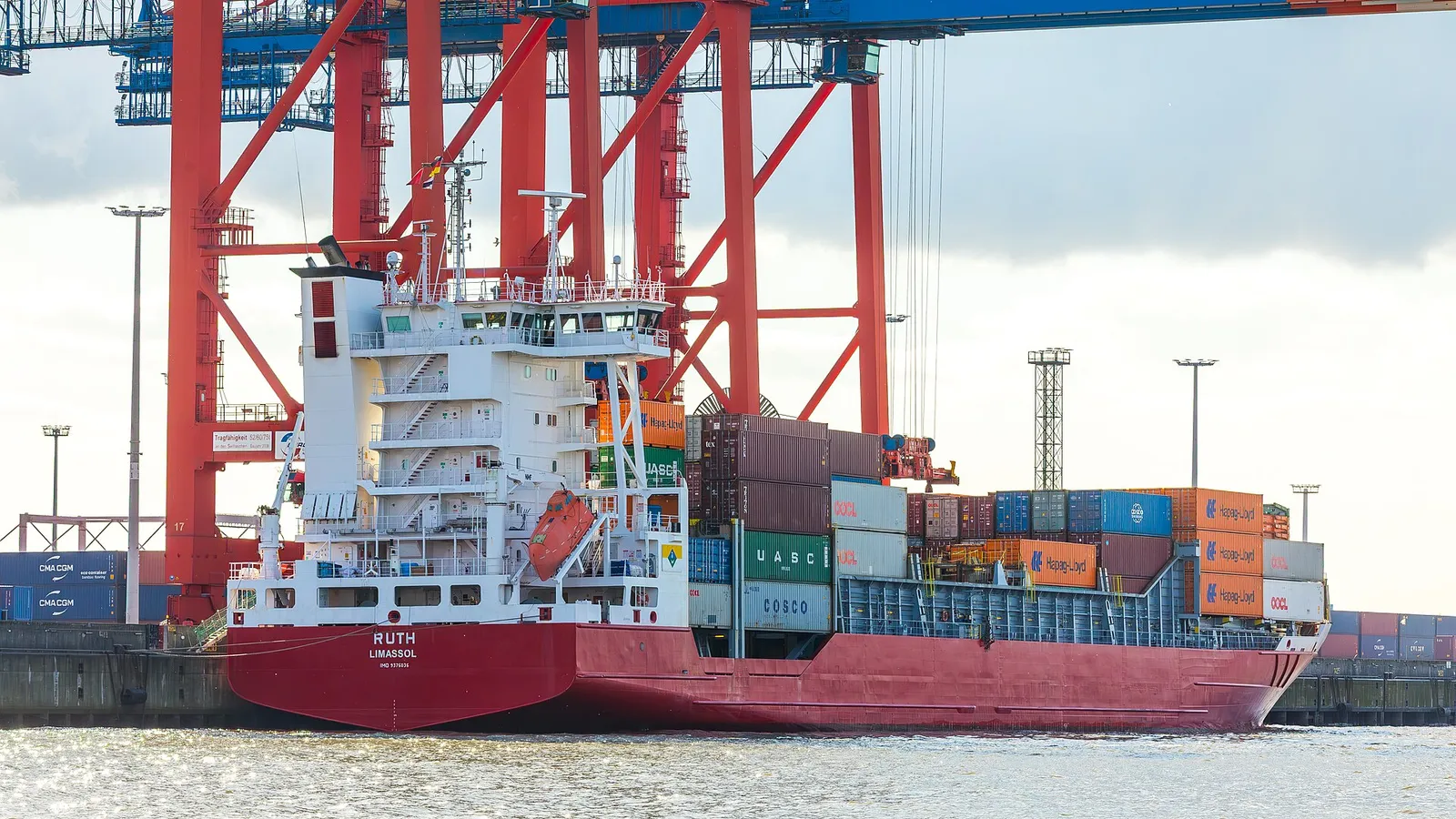
Cover photo: The container ship Ruth moored at the Eurogate container terminal in Hamburg, Germany, May 2025. Illustrative photo. Photo: Raimond Spekking/Wikimedia Commons, CC BY-SA 4.0.
Sources: German Seafarers' Mission: Shore Leave Survey 2026, executive summary (June 2026), IMO Resolution FAL.12(40): amendments to the annex of the FAL Convention, Standards 3.10 and 3.44–3.49 (8 April 2016), IMO: Seafarer shore leave gets extra protection from 1 January 2018, IMO MSC.1/Circ.1342: Reminder in connection with shore leave and access to ships (27 May 2010), IMO FAL.3/Circ.201: Facilitating shore leave and access to ships (27 September 2010), Transport Canada: Access to shore leave, Ship Safety Bulletin 19/2022 (quotes MLC Regulation 2.4), Splash247: Four hours ashore: Seafarers' dwindling escape from life at sea (9 Nov 2026).
How we choose, write and correct our articles: editorial policy.