Many seafarers join ships in US ports, or sail to the United States during a contract. Most foreign crew need a US visa for this. The usual visa is called C1/D. This guide explains what it is, how to apply and what happens at a US port. The facts are as of November 2026.
The guide is for seafarers of all ranks who are not US citizens or permanent residents. Citizens of Canada and Bermuda have special rules and are not covered here. Rules can change, so always check the page of the US embassy where you apply.
C1, D and C1/D: what is the difference?
D visa (crewmember): for people who work on a ship in US waters. Their work must be needed to run the ship. You must leave the United States on the same ship or another ship within 29 days.
C1 visa (transit): lets you travel through the United States. A seafarer uses it to fly into the country and go straight to the ship.
C1/D visa: one visa that combines both. It is the visa most seafarers get. You can fly in to join a ship, and you can arrive by ship and ask for shore leave.
D-3: a special crew visa for people who do ship-to-ship transfers of liquid cargo (lightering). They may stay up to 180 days.
If you fly to the United States to join a ship, a D visa alone is not enough. You also need the C1 part, so ask for the combined C1/D visa, the US Embassy in Cyprus explains.
When a C1/D visa is not the right visa
The visa depends on your work, not only on your job title. The US Embassy in the United Kingdom gives these examples:
You work on a private yacht that sails from a foreign port and stays in US waters for more than 29 days: you need a B-1 visa.
You come to repair a ship in dry dock: you need a work visa (H-2), or a B-1 visa if the work is under warranty.
You want a holiday in the United States after your contract: you need a B-2 visitor visa. You can apply for C1/D and B-1/B-2 at the same time with one fee, if your employer's letter explains why.
Your husband or wife and young children may apply for visitor (B) visas to travel with you. They must not work on the ship, the US Embassy in Iceland says.
How to apply, step by step
Find the right embassy. Since September 2025, you should book your interview in your own country. This means the country of your nationality or the country where you live (US State Department). Find your embassy on the list of US embassies.
Fill in the DS-160 form online on the official DS-160 website. Answer every question. Print the confirmation page with the barcode.
Pay the fee and book the interview through the system named on your embassy's website. The application fee for a C1/D visa is $185. You do not get it back if the visa is refused.
Go to the interview with your documents (see the list below). Fingerprints are taken at the embassy.
Wait for your passport. Some cases need extra checks, called administrative processing. Most are finished within 60 days of the interview, the US Embassy in Iceland says.
Since 1 October 2025, almost all visa applicants need a face-to-face interview with a consular officer. C1/D is not on the list of visas that can skip the interview. So plan for an interview each time, also for a renewal (US Embassy in Costa Rica).
After approval, some nationalities also pay a visa issuance fee. It depends on your country. Your embassy's page shows if you must pay it.
Documents to bring
DS-160 confirmation page with the barcode.
Passport. For many nationalities, it must be valid for at least six months after your planned stay. It needs a blank page for the visa.
One colour photo, 5 x 5 cm, taken in the last six months. Some embassies only use the photo you uploaded with the DS-160.
The fee payment receipt and the appointment confirmation.
A letter from your employer or manning agency on company paper. It should name you, your rank and duties, and the ship. It should also say why you travel and your planned dates in the United States.
Your seaman's book (discharge book), if you have one.
Old passports with earlier US visas, if you have them.
If you are not a citizen of the country where you apply, proof that you live there legally.
You can apply for a C1/D visa even if you have no contract at the moment. But you can use it at a US port only when you work on the ship you arrive on, the US Embassy in Cyprus says.
What happens when your ship arrives in a US port
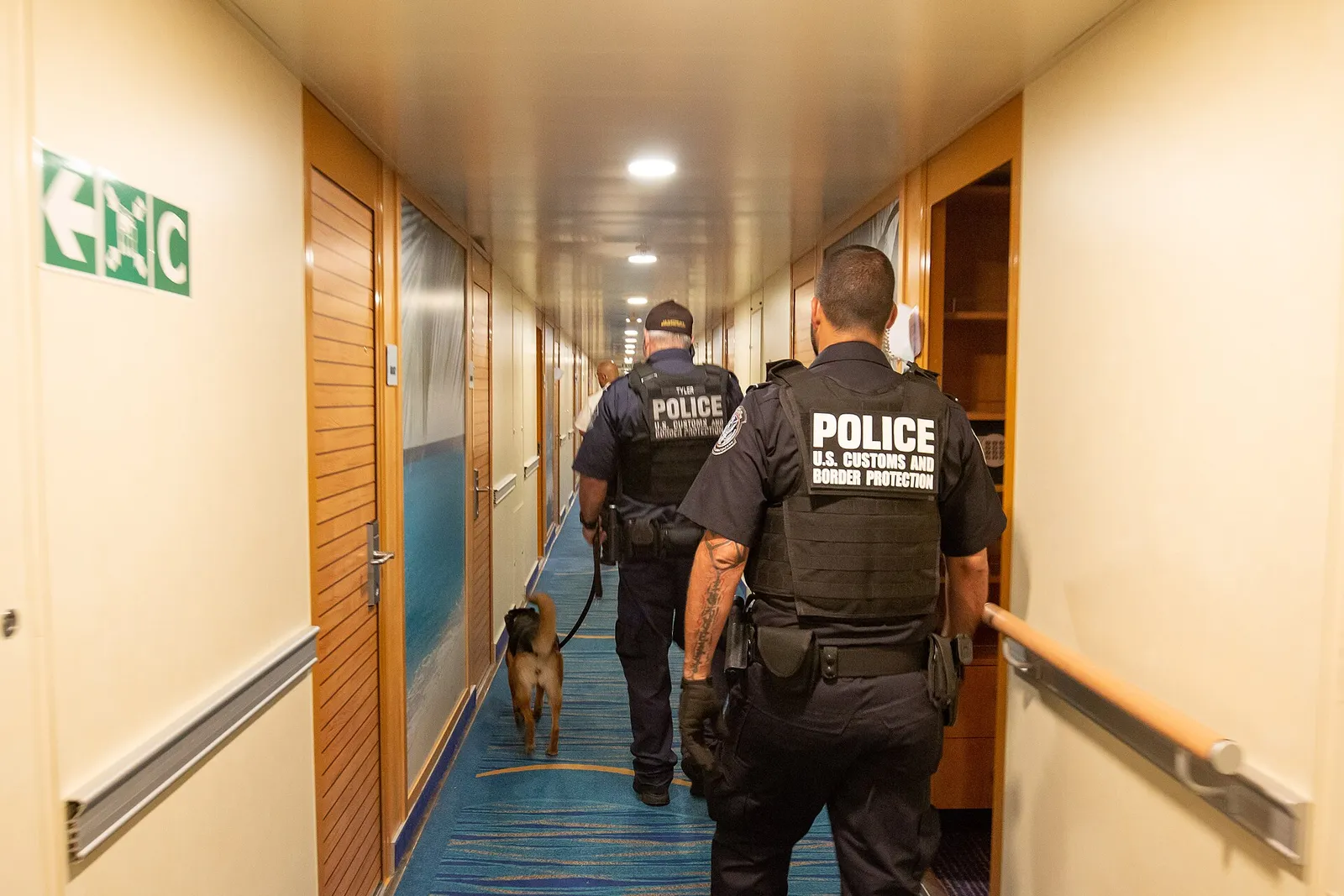
At the first US port, the master or agent must present every person on board to US Customs and Border Protection (CBP). This is explained in the CBP Vessel Inspection Guide.
With a D or C1/D visa, you can ask CBP for a crewman's landing permit (Form I-95). It lets you go ashore while the ship stays in the United States, for 29 days at most.
You can use the same I-95 again on later calls. You must still work on the same ship, and the form must have space left.
Without a valid D visa, you cannot get a landing permit. CBP will order you to stay on board, or to be sent away at the shipping company's cost.
In special cases, a seafarer without a visa can ask for a waiver (Form I-193), with a fee. CBP decides case by case.
With a crew visa, you cannot change to another visa type, such as tourist or student, or stay longer than allowed.
You have only left the United States when your ship sails into international waters on the way to a foreign port. Guam, Puerto Rico, Hawaii, Alaska and the US Virgin Islands also count as the United States.
A refused landing permit means no shore leave in that port. Read more about your right to shore leave and what to do if it is refused.
What to do now
Check your US visa before you sign a contract that includes US ports or a sign-on in the United States. Ask your company early, because interview dates can be weeks away.
Use only the official DS-160 website and your embassy's booking page. Do not pay agents who promise a visa or a quick interview.
Never pay a stranger to arrange a crew visa. Read how the ITF warns about fake shipping firms that ask seafarers to pay for visas.
Do not buy flight tickets until the visa is in your passport.
A valid US visa in an expired passport can still be used. Do not remove it. Travel with the old and the new passport together.
Keep a copy of your employer's letter and your I-95 with your documents on board.
Looking for a ship that trades to the United States? See external vacancies for seafarers on Crewboard.
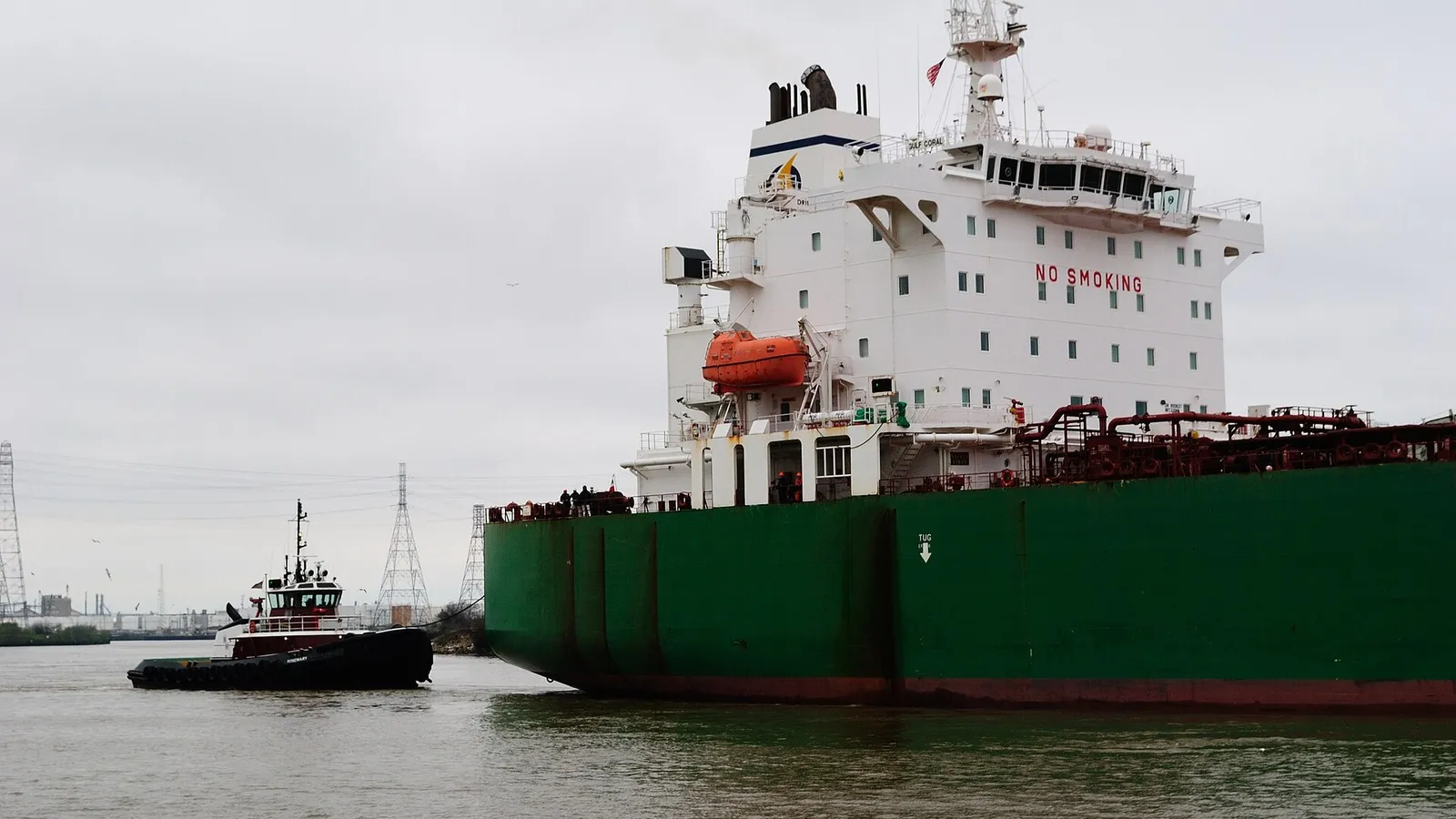
Cover photo: A tanker and a tug in the Houston Ship Channel, Texas, February 2012. Illustrative photo. Photo: Patrick Feller/Wikimedia Commons, CC BY 2.0 (cropped).
Sources: US State Department: Crewmember visa, US Embassy in Cyprus: C1/D crew and transit visas, US Embassy in Iceland: Crewmember visa ($185 fee, documents, 29-day rule), US Embassy in the United Kingdom: NIV crew members, US Embassy in Costa Rica: Interview waiver update, 18 September 2025, US State Department: Adjudicating NIV applicants in their country of residence (6 September 2025), US Customs and Border Protection: Vessel Inspection Guide, US State Department: Online nonimmigrant visa application (DS-160).
How we choose, write and correct our articles: editorial policy.