Six merchant ships were hit in the western Black Sea between 13 and 18 November 2026. Five of them had called at a port in Ukraine at least once in 2026. Ambrey, a British maritime security company, found this and published it on 18 November.
Ambrey warns that a ship may be at risk because of where it traded in the past. This can be true even when its present voyage has nothing to do with Ukraine. Crews joining ships in this area should know this before they sign.
What Ambrey found
Four ships were hit by drones near the Sulina anchorage in Romanian waters. Sulina is where the Danube river reaches the Black Sea.
Two ships were hit in Bulgarian waters. One was the cargo ship BETUL 8, which sank on 16 November. All 12 crew were rescued.
BETUL 8 had last called at a Ukrainian port on 8 July 2026, more than four months before the attack. It was sailing from a Danube port towards the Turkish Straits.
Ambrey says BETUL 8 was very likely hit by an unmanned surface vessel. This is a boat with explosives and no people on board, often called a sea drone.
The next day, the gas tanker GAS HUSKY sank in Bulgaria's exclusive economic zone. The Romanian Maritime Administration said unmanned systems hit it, Ambrey reports.
Ambrey says Russian forces carried out these strikes. Bulgarian and Romanian officials have not said who attacked each ship.
All 19 crew of GAS HUSKY are Filipino, and all were rescued. Two of them had minor injuries, the Department of Migrant Workers (DMW) said on 19 November, the Philippine Daily Inquirer reports.
The ship's history, and the company's other ships
Ambrey thinks the danger may go further than one ship. Its analyst says the risk may also come from "fleet-level associations". This means other ships of the same owner or manager may be at risk too. Ambrey says owners should look at the trading history of the whole fleet, not only the next voyage, Splash247 reports.
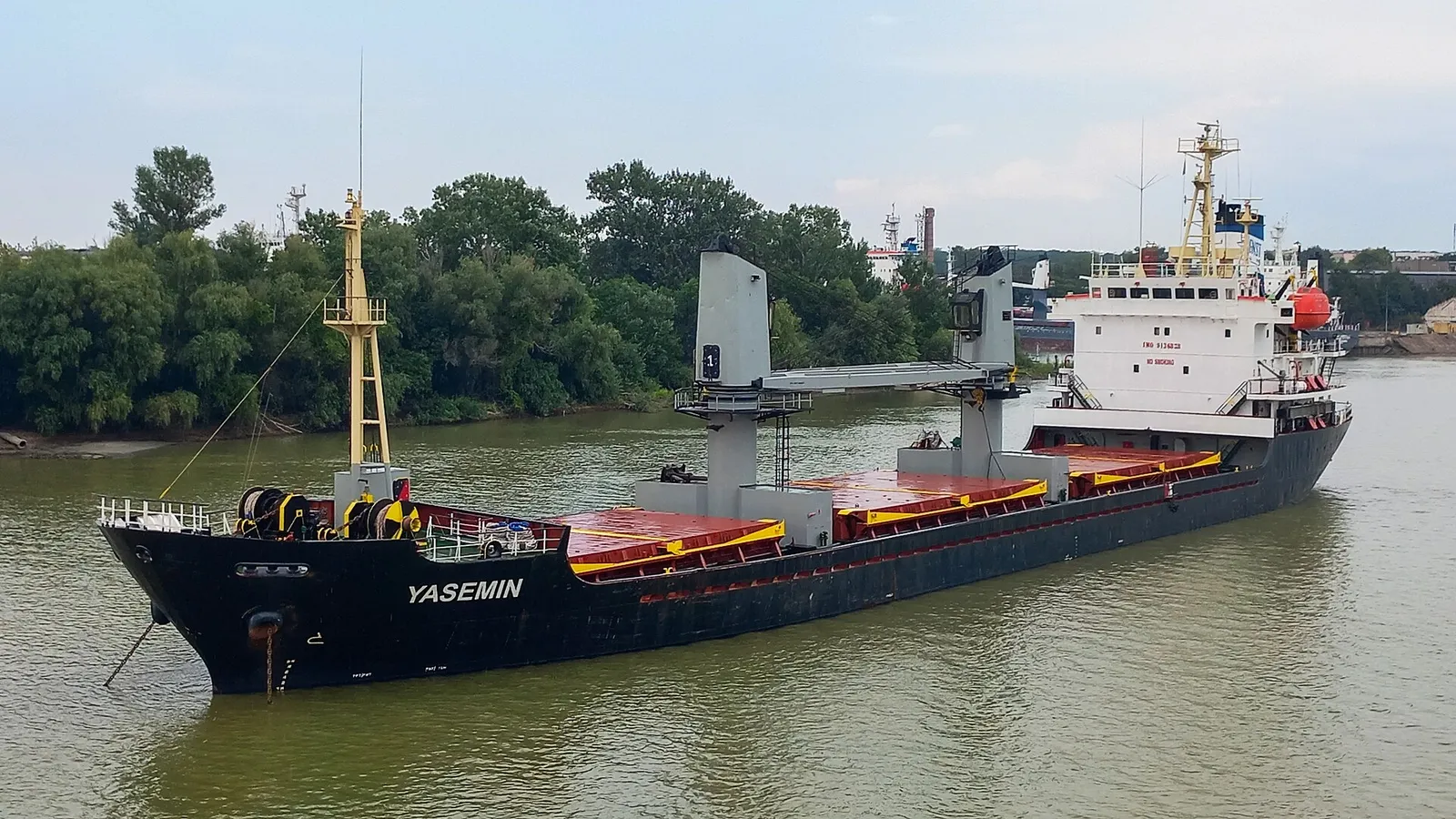
Ambrey also says small ships face a bigger risk of being lost. Many small ships trade on the Danube and in the western Black Sea. Bigger ships have more watertight compartments, so they can stay afloat longer after a hit.
Ambrey expects more attacks in the coming days, also inside Romanian and Bulgarian territorial waters. These are the waters within 12 nautical miles of the coast. Ambrey says the insurance market's war risk area for the Black Sea, called JWLA-035, may grow to cover these waters too.
On 18 November, the International Bargaining Forum (IBF) already made its Black Sea High Risk Area larger. It now covers waters off Bulgaria and Romania, but not the 12-mile coastal strip. We explained this in our post on the new IBF High Risk Area off Bulgaria and Romania.
What it means for crews
Before you sign for a ship in the Black Sea or on the Danube, ask your agency where the ship will trade. Ask in writing.
Also ask if the ship, or other ships of the same company, called at Ukrainian ports in 2026. Ambrey says this can raise the risk.
Ask what the company does to protect the crew on this route. This includes extra lookouts, a plan for a drone attack and a safe place to go on board.
Read your contract or collective agreement. Check if it follows the IBF rules for war and high-risk areas, with bonus pay and the right to refuse.
Waters close to the coast are not yet in the IBF High Risk Area. The danger there can still be real, so stay alert in port areas and at anchor.
Know your muster station, your life raft and your lifejacket. Know where the EPIRB (emergency position-indicating radio beacon) is and how to start it.
On a small ship, the time to leave may be very short. Keep your survival suit and important papers where you can reach them fast.
Tell your family the route and your company's emergency contact. Filipino seafarers can contact the DMW or a Migrant Workers Office.
The crew of BETUL 8 got away safely. You can read how all 12 crew of BETUL 8 were rescued. Phone numbers for rescue centres, unions and government helplines are on our page of useful links for seafarers.
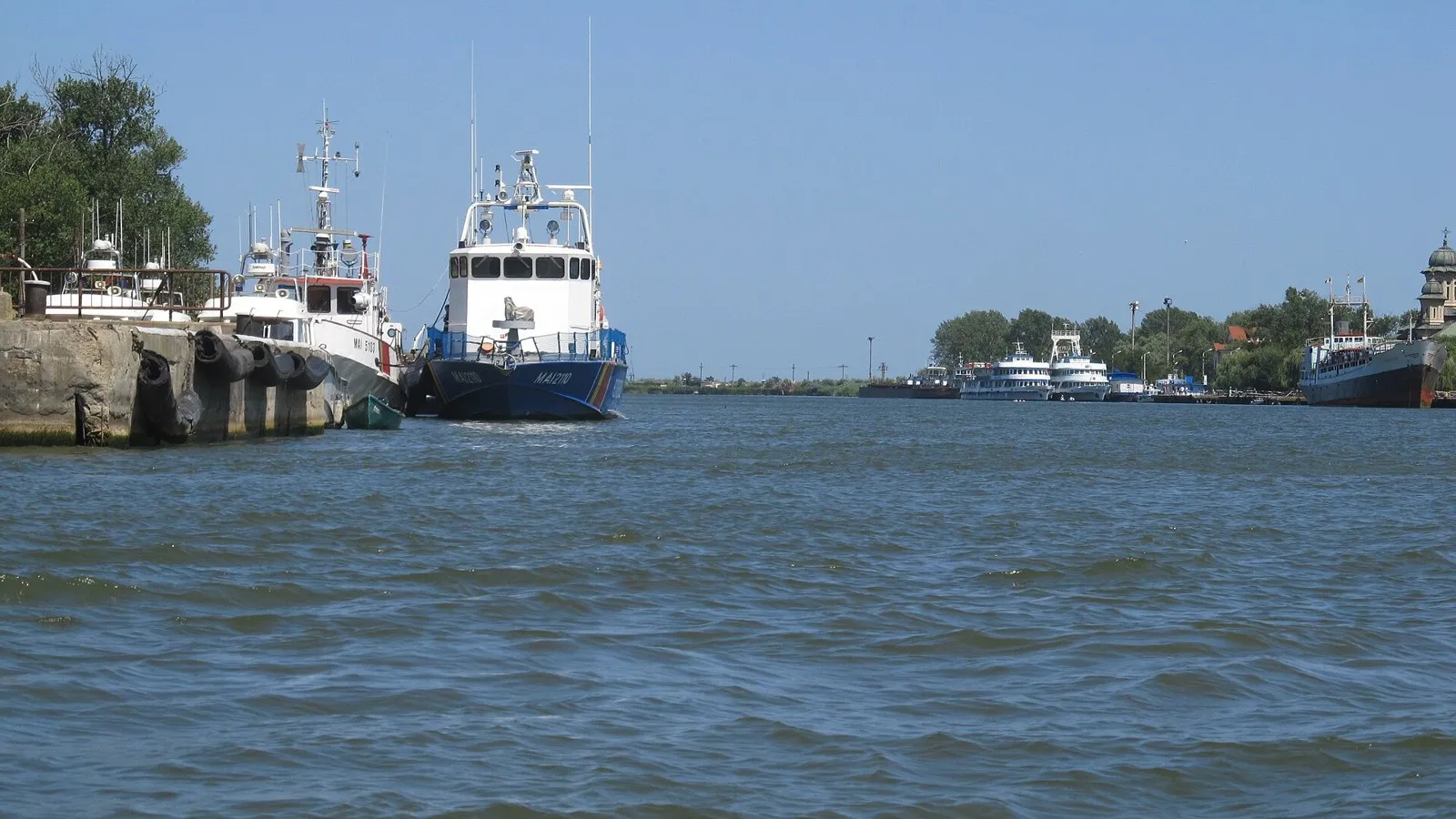
Cover photo: Boats moored on the Danube at Sulina, Romania, where the river reaches the Black Sea, July 2012. Illustrative photo, not a ship from this story. Photo: Nenea hartia/Wikimedia Commons, CC BY-SA 4.0 (cropped).
How we choose, write and correct our articles: editorial policy.