Iran has put 26 tugs and offshore support vessels on a blacklist. It says these vessels broke its rules in the Strait of Hormuz. The Persian Gulf Strait Authority (PGSA) announced this on 24 November 2026, Baird Maritime reports. Iran set up the PGSA to control which ships may pass through the strait.
The PGSA says these vessels helped ships that use the southern route along the coast of Oman without Iranian permission. Security experts warn that ships attacked in this area may now get help later, or not at all.
What the PGSA says
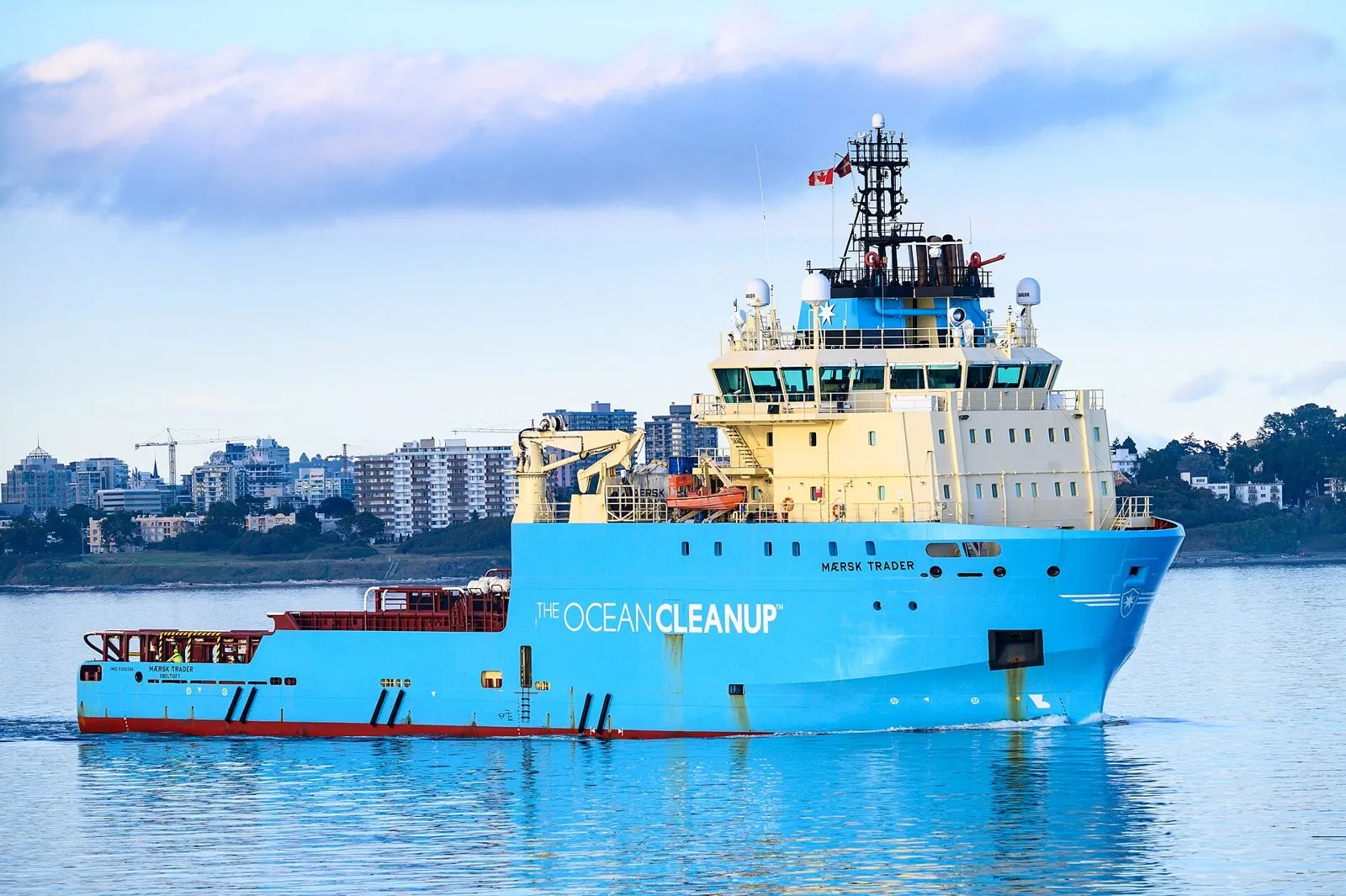
The PGSA calls all 26 vessels tugboats. But the list also includes offshore support vessels, Baird Maritime and Riviera report.
It published their names, IMO numbers and flags. They include the Singapore-flagged Britoil 21 and Britoil 72 and the UAE-flagged HOH Supplier.
The PGSA says it found the vessels through tips from neighbouring countries and its own monitoring. The Iranian agency Tasnim reports this.
The list now has 266 vessels. It had 240 in early November, Riviera says.
The PGSA repeated that any vessel or company that helps a listed ship can be listed too. This includes ship-to-ship transfers.
It says listed vessels may face limits on future passages, fines, detention or confiscation. Confiscation means the ship is taken. It did not say what will happen to the new vessels.
This is an Iranian list. It is not an international sanctions list, Riviera notes.
Why it matters for crews
Tugs and offshore vessels tow damaged ships, fight fires and help with salvage. Martin Kelly is the head of the security firm Orbital Risk Intelligence. He said Iran is "moving from targeting the ships to targeting the help", Riviera reports.
Kelly said Iran has attacked three tugs this year. One of them, the Mussafah 2, sank in March on its way to help a damaged ship, he said. "If a vessel is hit, help may be delayed, refused or attacked," he said.
Companies may now refuse towing, firefighting and salvage jobs in the strait, Kelly warned in Baird Maritime. Industry guidance from May already tells shipowners to check how much salvage help is available nearby.
What crews should do
Do you work on a tug or offshore vessel in the UAE or Oman? Ask your company if your vessel is on the PGSA list. Ask what it plans to do about the risk.
Before a job near the strait, ask to see the risk assessment. Ask what protection the vessel has.
On ships that use the southern route, plan for help to come late. Do firefighting, damage control and abandon-ship drills, and check the fire pumps.
If your ship has emergency towing gear, know where it is and how to rig it. A tug may not come quickly.
Report attacks and anything suspicious to UKMTO, the UK Maritime Trade Operations centre. Read the latest reports in our Gulf attacks post.
Check your contract. Under IBF agreements you may have the right to refuse to sail into a warlike area. Read our post on the IBF risk list.
Read also how Iran warned of "legal action" against all Sinokor tankers. That post explains how the PGSA list started.
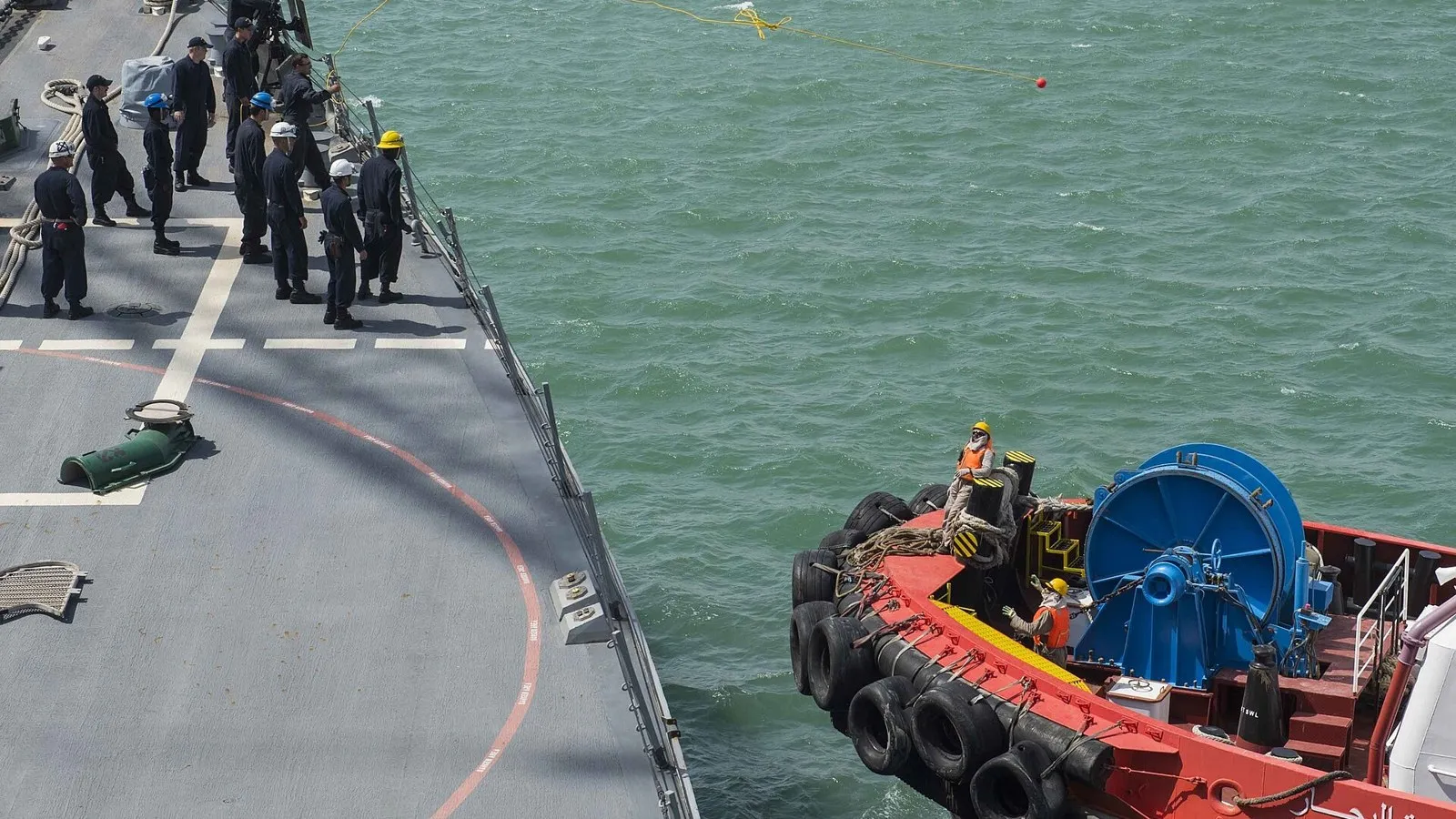
Cover photo: sailors on the US destroyer Farragut throw a line to a tug as the ship leaves Duqm, Oman, in 2015. Illustrative photo, not a listed vessel. Photo: Petty Officer 3rd Class Jackie Hart, U.S. Navy/Wikimedia Commons, public domain (cropped).
Sources: Baird Maritime: Iran blacklists 26 vessels it says assisted ships on southern Hormuz route (25 Nov 2026), Riviera: Tankers take fire in Middle East, one crew 'severely injured'; PGSA adds tugs to 'non-compliant list' (26 Nov 2026), Tasnim News Agency: PGSA adds 26 tugboats to non-compliance list (25 Nov 2026).
How we choose, write and correct our articles: editorial policy.