A young seafarer fell seriously ill on a merchant ship off the coast of Brazil. He had a fever and strong pain in his belly. Doctors thought it could be appendicitis.
The Brazilian Navy took him off the ship by helicopter early on Tuesday, 10 November 2026. The ship was near Cabo Frio, in Rio de Janeiro state. The man is a 19-year-old Greek national. His name was not published.
How the rescue worked
The ship is the merchant vessel Apolytares. It asked for help through Salvamar, the Brazilian Navy's maritime rescue service. The call came late in the morning of Monday, 9 November. At that time the ship was about 350 nautical miles from the coast.
That was too far for the helicopter. So the Navy planned the rescue for first light the next day, when the ship would be closer to land. The ship kept sailing towards the coast.
A UH-15 helicopter left the São Pedro da Aldeia naval air base at 04:40 local time. It reached the ship at 05:00, about 25 nautical miles from the coast. There were 11 Navy personnel on board, including two doctors and a nurse.
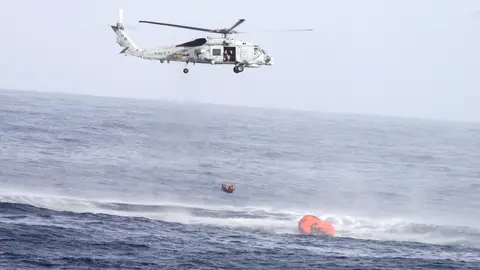
Rescue crew went down to the ship's deck. They put the patient on a rescue stretcher and lifted him into the helicopter. This took about 15 minutes. During the flight the medical team watched his condition and gave him medicine for the pain.
The helicopter landed at Santos Dumont Airport in Rio de Janeiro at 06:00. An ambulance took the patient to Casa Laranjeiras hospital. A Navy doctor said he was awake, clear in his mind and stable during the flight.
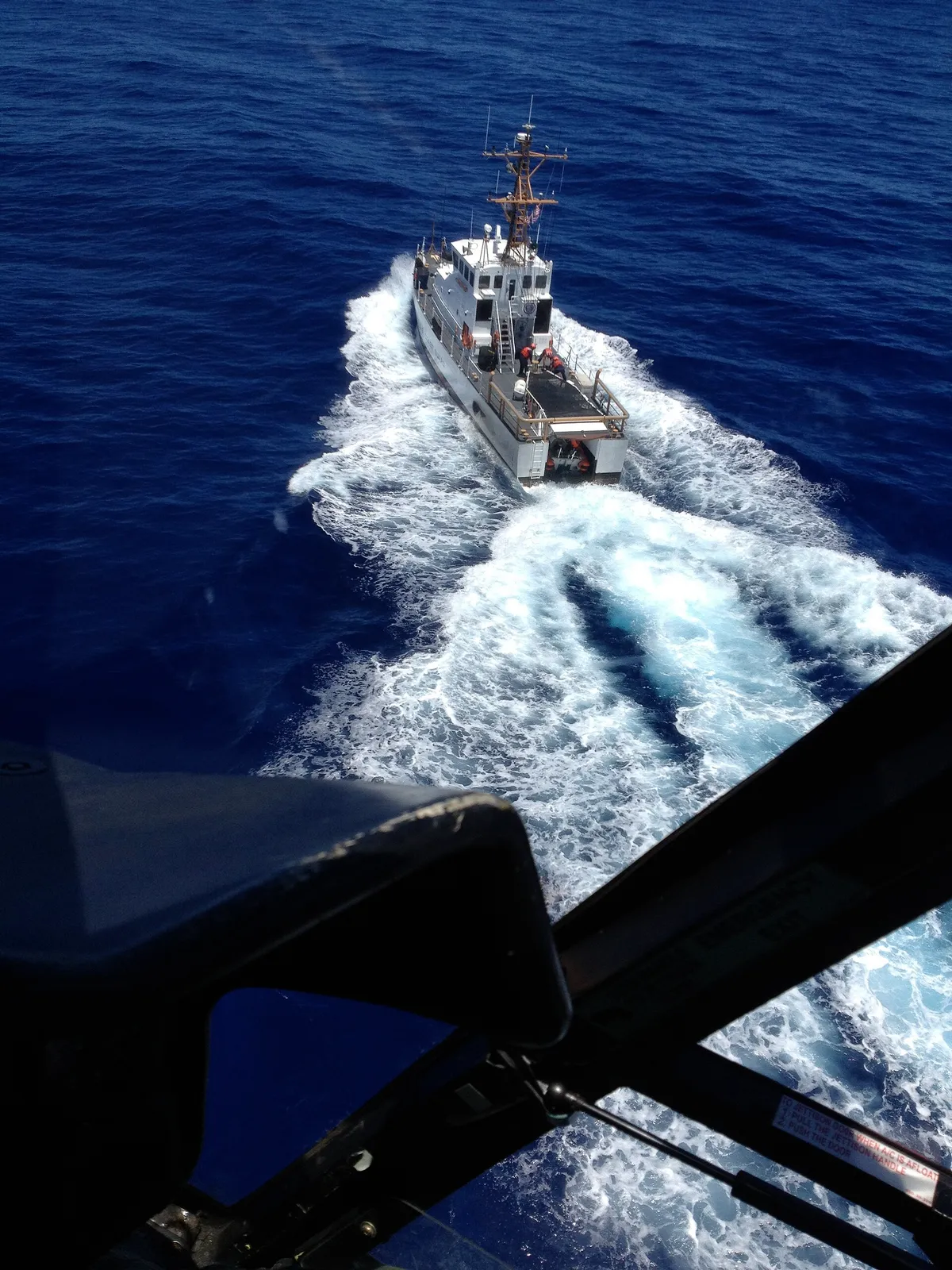
The Navy has not said if the doctors in hospital confirmed appendicitis. The details come from the Navy's statement, as reported by g1 and Defesa em Foco.
What crews can learn: a medical emergency far from land
This case shows a common problem at sea. A ship can be too far away for a helicopter. Then the ship must sail towards the coast, and the patient must wait for hours. Calling early gives everyone more time to plan.
These are general points. Always follow your ship's medical guide and the advice of the radio doctor.
Take strong belly pain seriously, especially with fever, vomiting or a hard, tender belly. Appendicitis can get worse fast.
Do not give food, and do not give strong painkillers or laxatives before you speak to a doctor. Write down the time the pain started and any medicine given.
Ask for radio medical advice early. The coastguard or MRCC (Maritime Rescue Coordination Centre) can connect you to a doctor. This service is often called TMAS (telemedical assistance service).
Tell the rescue centre your position, course and speed. Ask if the ship should change course towards land or a helicopter base.
Prepare for the helicopter. Clear the deck area, tie down loose objects and turn the ship as the pilot asks.
Follow the rescue crew's orders. Do not touch the hoist hook or wire before it has touched the deck, because it can carry static electricity.
Have the patient's passport, seaman's book and a short medical note ready to go with them.
In Brazil, the Navy's number for emergencies at sea and on rivers is 185, according to the Brazilian telecoms regulator Anatel. You can find more help lines on Crewboard's useful links page.
Read more medical evacuations on Crewboard. The US Coast Guard airlifted four tanker crew members with suspected food poisoning off Puerto Rico. A crew member with head injuries was airlifted from a ship at anchor off Felixstowe, England.
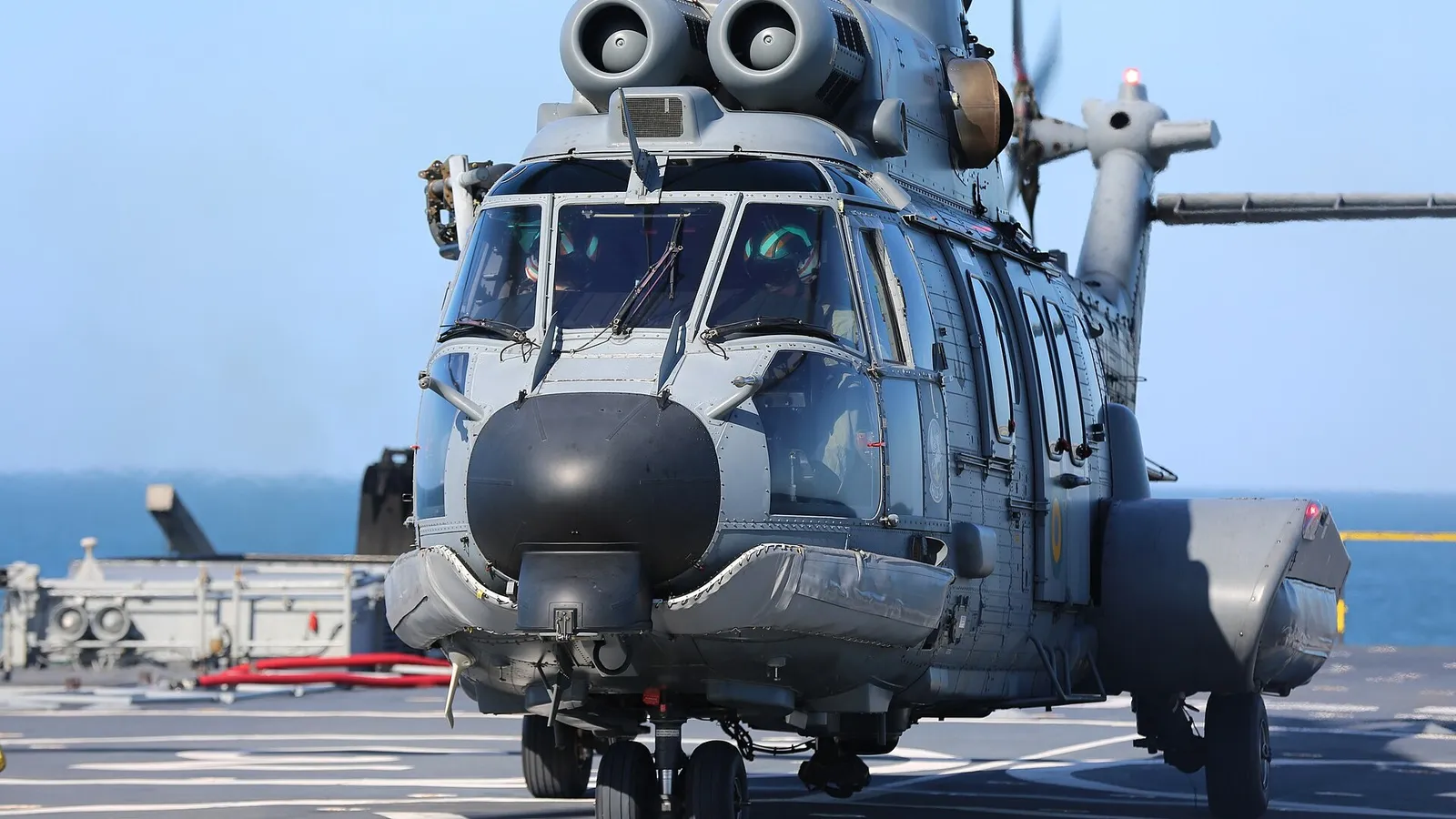
Cover photo: A Brazilian Navy UH-15 Super Cougar helicopter on a ship's flight deck, June 2017. Illustrative photo, not the helicopter in this rescue. Photo: Marinha do Brasil, CC BY-SA 2.0 (cropped).
Sources: g1: Marinha resgata tripulante grego em navio no RJ após suspeita de apendicite (11 Nov 2026), Defesa em Foco: Resgate da Marinha em alto-mar mobiliza UH-15 e equipe médica especializada (Brazilian Navy release, 11 Nov 2026), Anatel: Serviços de utilidade pública e de emergência (185, Marinha, maritime emergencies).
How we choose, write and correct our articles: editorial policy.