Update, 24 November 2026: The Miro G is off the beach. The French tug Abeille Bretagne pulled it back to sea at about 15:00 local time, ICI Gascogne reports (in French).
The towline was 1,900 metres long, because the tug could not come close to the beach. Before the tow, teams pumped seawater out of the ballast tanks to make the ship lighter.
By 15:15 the ship was about 1 kilometre from the coast. The calmer weather on Tuesday made the operation possible, franceinfo reports (in French). Worse weather is expected from Wednesday.
After the tow, a French Navy Falcon 50 aircraft flew over the area. It found no pollution where the ship was aground or along its route, the regional maritime authority said. The ship will now be helped to Le Verdon-sur-Mer for a technical inspection, Euronews reports.
The earlier updates follow.
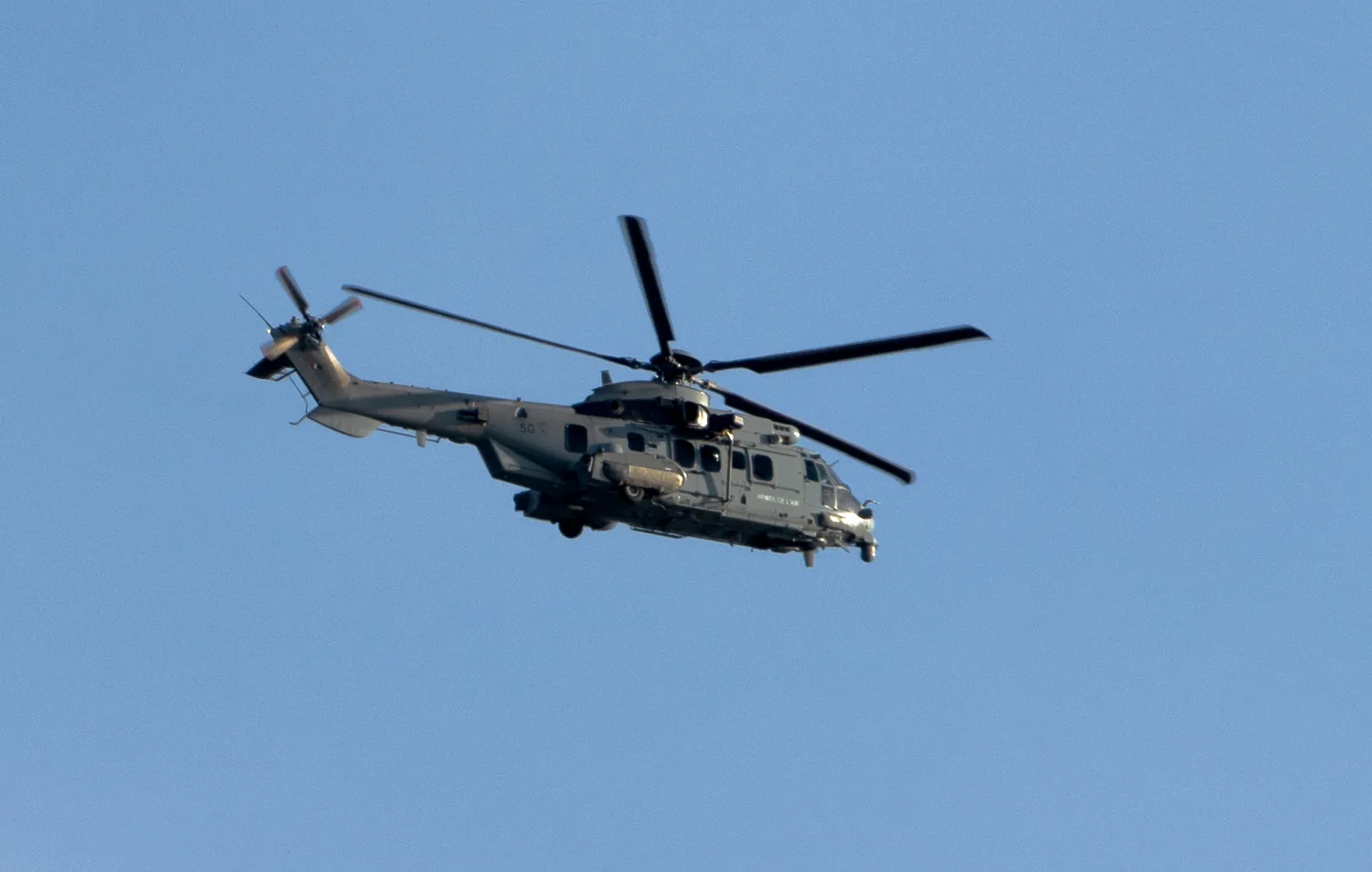
Update, 22 November 2026: Nobody is on board the Miro G now. On 21 November an Air and Space Force helicopter lifted off the last 11 people. They were the master and two other crew members, plus eight experts and company representatives. The French maritime authority made this decision because a storm was coming, it said in a statement. The weather service warned of strong west wind, force 7 to 8, on Sunday 22 November.
Before they left, the teams filled the ballast tanks with sea water. This makes the ship steadier and helps stop it from tipping over. To pull the ship off the beach, this water must be pumped out later. But the ship's two main generators do not work. Experts are trying to set up a temporary power supply for the pumps, the authority said.
The tug Abeille Bretagne is near the ship. The water is too shallow for it to come closer than about 900 metres. So it will need a towing line about 1,000 metres long. The authority says the result is very uncertain. If the ship cannot be freed in the next days, the operation will take longer. No one was hurt, and the navy saw no pollution, Euronews reports.
The first report follows.
A bulk carrier ran aground on a beach in south-west France early on 20 November 2026. Strong wind and big waves pushed it onto the shore. A French Air and Space Force helicopter lifted 19 of the 22 crew to safety.
The ship is the Miro G. It flies the flag of Malta, is 169 metres long and was built in 2011. It was empty and was sailing to the French port of Rouen. The master and two other crew stayed on board to help the rescue teams, France 3 reported.
What happened
The details below come from the French maritime authority for the Atlantic (Préfecture maritime). Some also come from news agency AFP, reported by France 24. Both are in French.
On the evening of 19 November, the ship called the French rescue centre CROSS Étel. It said it had problems steering the ship. It could not hold its course against the waves and the wind from the side, and it was moving towards the coast.
The ship could not get away from the coast. In the evening it dropped both anchors in an emergency, about 1.8 nautical miles (about 3 km) off the beach of Lit-et-Mixe.
Wind gusts of 48 knots (about 90 km/h) made the anchors drag. The ship moved towards the shore and went aground at about 00:55 local time on 20 November. This was at Cap de l'Homy beach, about 20 km south of Mimizan.
The master then asked for the crew to be evacuated. A Raffut search and rescue helicopter from the air base at Cazaux lifted 19 crew off the ship with its winch.
The Red Cross took care of the 19 crew in a shelter in the nearby village of Saint-Julien-en-Born.
The French minister for the sea said two people had light injuries. One already had a health problem before. The other felt a small pain after the winching, AFP reported.
What happens to the ship now
The French authorities started level 3 of their emergency plan for the sea, called ORSEC maritime. Spain also sent a rescue tug from Bilbao under a joint French and Spanish rescue plan. On Friday morning the big waves stopped the tug from working.
The French emergency tug Abeille Bretagne left Brest to help. French navy experts were also flown to the ship by helicopter. They will check the hull and the risk of pollution. The ship has a little more than 100 tonnes of diesel fuel in its tanks.
The Préfecture maritime also posted on X about the work on 20 November. The post below names the teams sent to the ship and the tug that left Brest.
Post on X
Loading it connects to X, which may set cookies and see your visit. See our Privacy policy.
A spokesman for the maritime authority told AFP the aim is to pull the ship off the beach. This should stop it from tipping over. The ship may first need to be made lighter by pumping out the fuel. On Friday morning the authority had warned of a gale on the coast, with very rough sea.
What it means for crews
The cause has not been investigated yet. But the steps of this case are well known: a strong wind towards the shore, problems steering, and anchors that drag. These points can help any deck and engine crew.
Watch the weather forecast closely near a coast. When strong wind will blow towards the land, move further out to sea early. Do not wait until the ship is close to the shore.
Call the coastal rescue centre early when the ship has trouble steering. Here, the early call gave the authorities several hours to send tugs and a helicopter.
If you must anchor in a storm, put out enough chain. Keep a sharp anchor watch. Set the anchor alarm on the radar or ECDIS (electronic chart system) and check the position often.
Keep the main engine ready while at anchor in bad weather. The engine can take strain off the anchor chain and help stop the ship dragging.
For a helicopter lift, wear your lifejacket and tie down or remove loose things on deck. Follow the winch operator's signals.
Do not touch the helicopter hook or wire before it touches the deck or the sea. It can give an electric shock from static electricity.
Keep your passport, seaman's book and phone in a waterproof bag that you can take quickly. After you are safe, tell your family and your company.
Read the Crewboard story about a cargo ship that went aground at night in Wexford, Ireland. There, a helicopter lifted all six crew. Also read how a coast guard towed a cement carrier that lost its engine in a storm off Samcheok. Emergency and welfare contacts for seafarers are on the Crewboard useful links page.
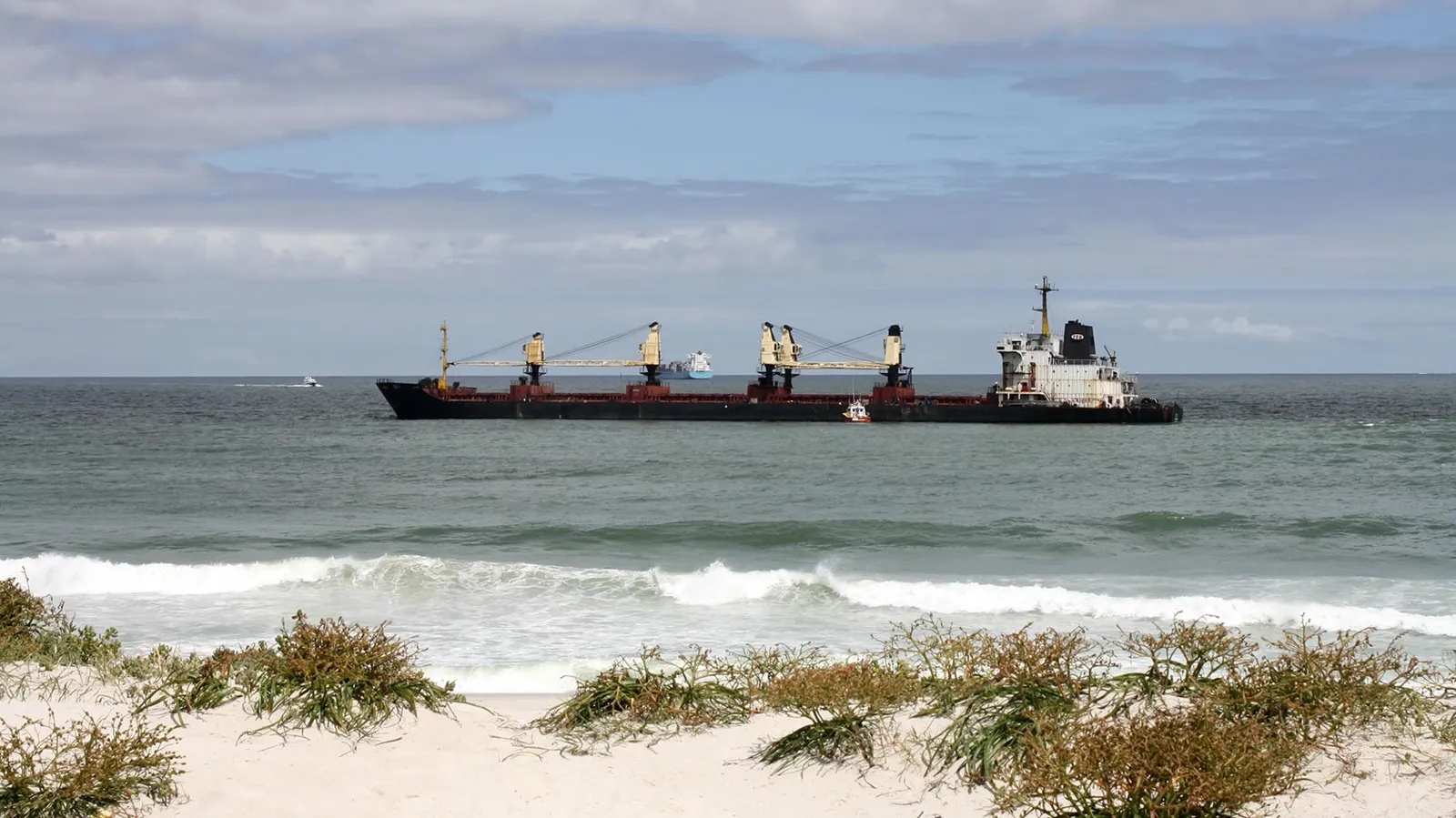
Cover photo: The bulk carrier Seli 1 stranded off Dolphin Beach near Cape Town, South Africa, October 2009. It had gone aground in stormy weather. Illustrative photo, not the Miro G. Photo: Warren Rohner/Wikimedia Commons, CC BY-SA 2.0 (cropped).
Sources: Euronews: Miro G cargo vessel refloated after running aground off southwest France (24 Nov 2026), ICI Gascogne: the grounded cargo ship is back at sea, pulled by a tug (24 Nov 2026, in French), 20 Minutes/AFP: refloating succeeds, the Miro G is back at sea (24 Nov 2026, in French), franceinfo: the grounded cargo ship is back at sea, pulled by a tug (24 Nov 2026, in French), Préfecture maritime de l'Atlantique: Situation update, the Miro G aground on a beach in the Landes, evacuation of 11 people (21 Nov 2026), Préfecture maritime de l'Atlantique: Situation update, conditions needed to refloat the Miro G (21 Nov 2026), Préfecture maritime de l'Atlantique: Cargo ship aground on the Landes coast (20 Nov 2026), Préfecture maritime de l'Atlantique on X (20 Nov 2026), Euronews: Salvage operation under way after cargo ship runs aground off French coast (21 Nov 2026), France 3 Nouvelle-Aquitaine: 19 seafarers lifted by helicopter, what we know about the 169-metre cargo ship aground in the Landes (20 Nov 2026), France 24 / AFP: A cargo ship aground on the Landes coast, weather complicates operations (20 Nov 2026).
How we choose, write and correct our articles: editorial policy.