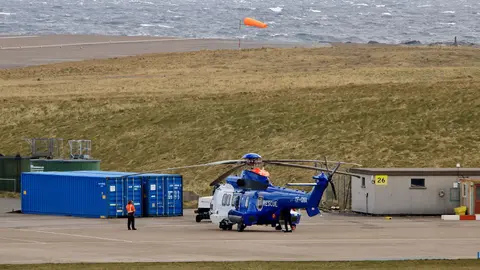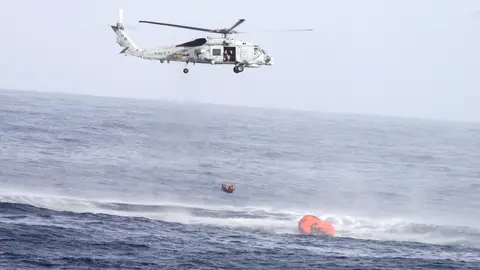
A Greek Air Force helicopter took an ill seafarer off a cargo ship on the evening of 19 November 2026. The first reports said the ship was a livestock carrier. A livestock carrier is a ship that carries live animals, such as sheep or cattle.
The seafarer is a 33-year-old man from India. The ship sails under the flag of Palau. The helicopter flew him to the General Hospital of Rhodes, an island in the south-east of Greece. Doctors there will give him the care he needs.
What we know
The rescue was coordinated by Greece's Joint Rescue Coordination Centre (JRCC). This centre leads search and rescue at sea in Greek waters.
The helicopter belongs to the Hellenic Air Force, Greece's air force.
The Hellenic Coast Guard says the ship was about 100 nautical miles south of Rhodes. The first reports on 19 November said it was sailing south of Crete. Dimokratiki of Rhodes and Leros News give the Coast Guard details.
Greek news sites Neakriti, Dnews and Stin Pena reported the rescue on 19 November.
The reports did not give the ship's name or the man's illness. They also did not say how he is now.
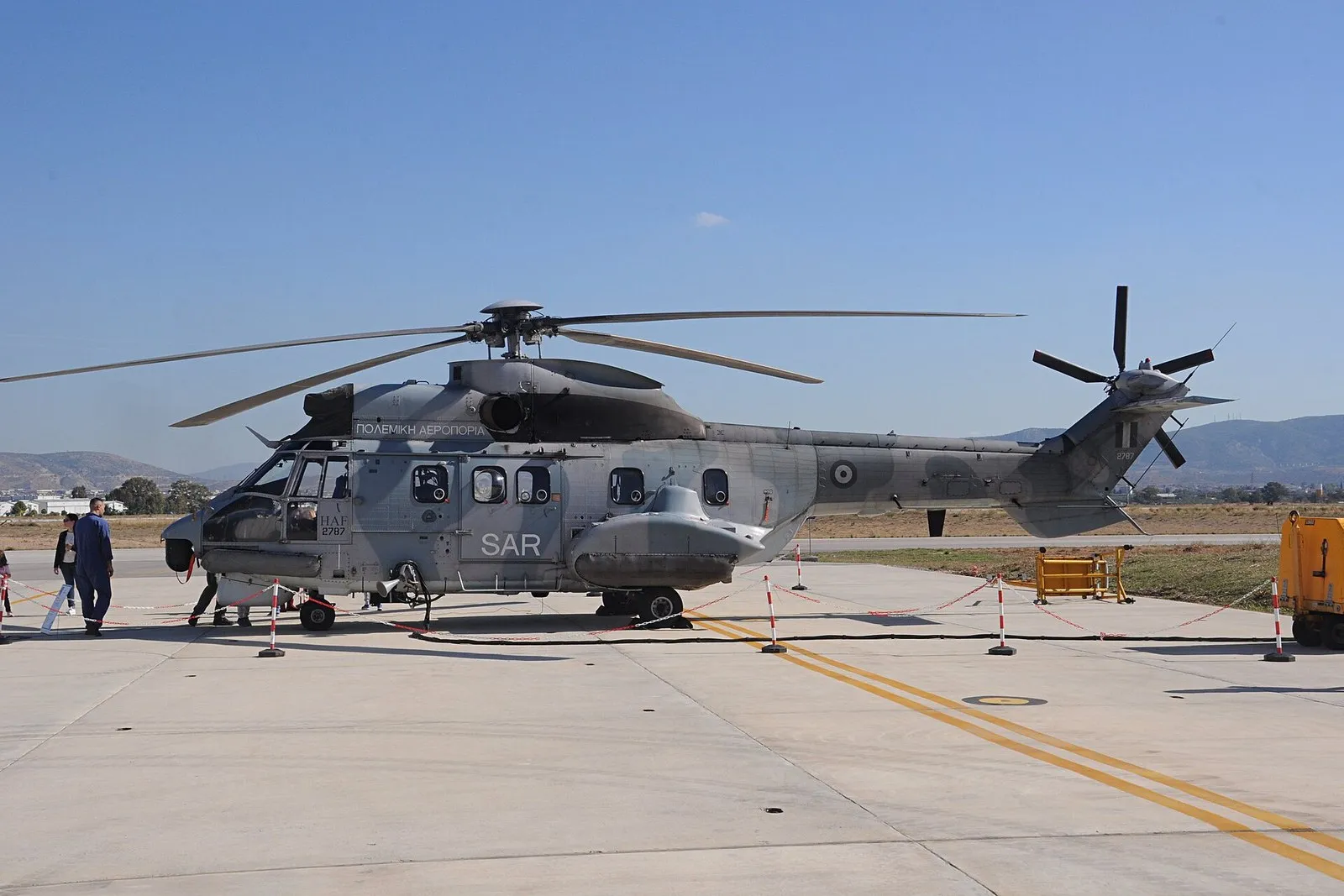
Medical evacuations from ships happen often. This week, a helicopter of Malta's Armed Forces also took a seriously ill crew member off a merchant ship.
What to do if a crew member falls ill at sea
Tell the officer of the watch or the master at once. Do not wait until the person gets much worse.
The master can ask for radio medical advice. A doctor ashore then helps by radio, phone or email. The rescue centre or the company can connect the ship to this service.
Write down the facts before the call. Note the patient's age, signs of illness, when they started, temperature, pulse and any medicine given.
Give the ship's position, course and speed. The rescue centre needs them to plan a helicopter flight.
Prepare the patient for the flight. Pack the passport, seaman's book, medical notes and any medicines he takes. These go with him to hospital.
Clear the winching area. Tie down loose items. Follow the helicopter crew's orders, and let the winch hook touch the deck before you hold it.
Under the Maritime Labour Convention (MLC), seafarers have the right to medical care on board and ashore. The shipowner must pay for it. The shipowner must also pay wages while you are sick or injured, within limits set by national law. Read the ILO page on the MLC.
Companies can check how ready their ships are for medical emergencies with a new checklist from the Seafarers Hospital Society. Helplines and medical contacts for seafarers are on our page of useful links.
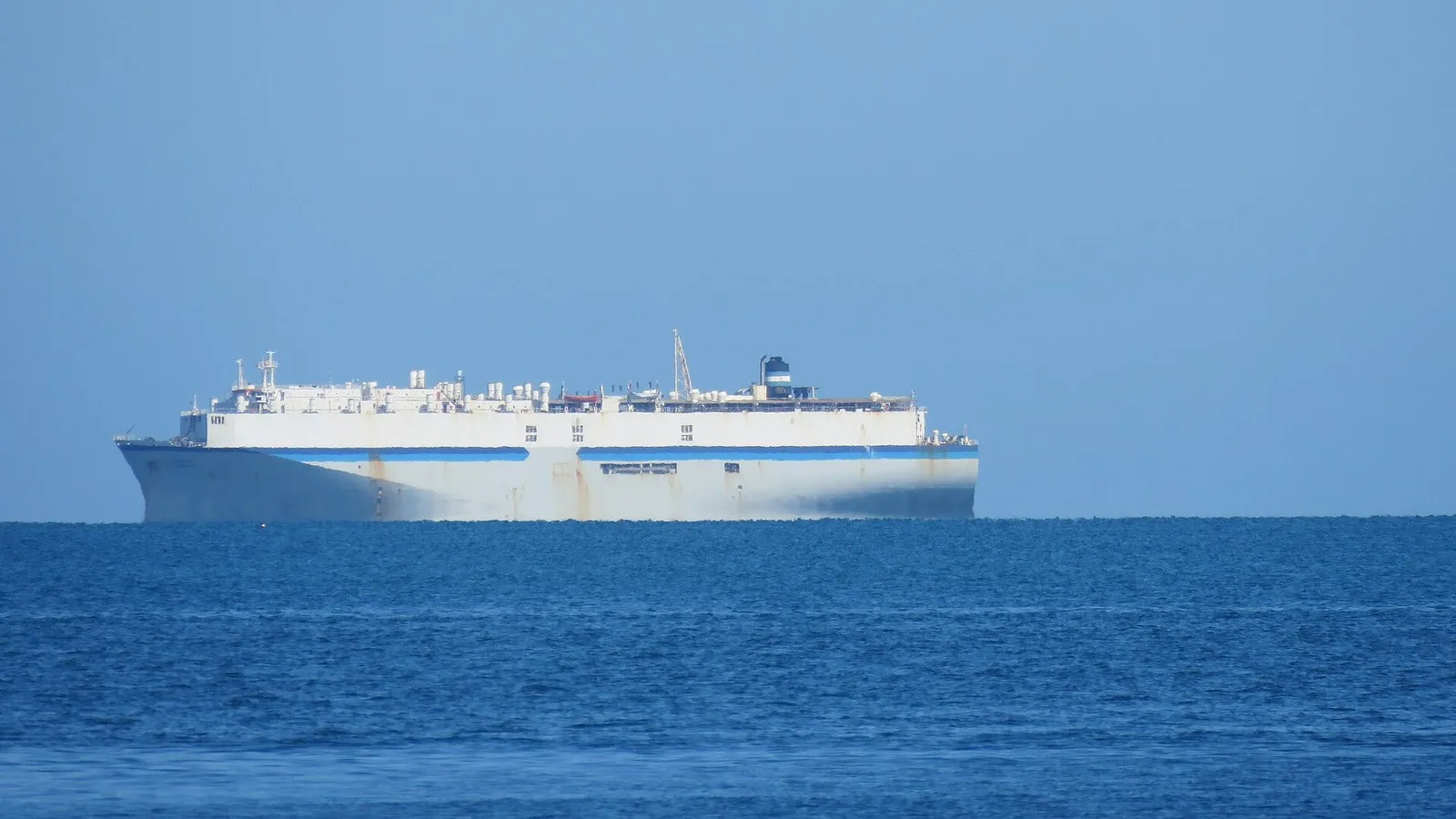
Cover photo: The livestock carrier Al Messilah in Cockburn Sound, Western Australia, December 2023. Illustrative photo, not the ship in this rescue. Photo: Calistemon/Wikimedia Commons, CC BY-SA 4.0.
Sources: Dimokratiki (Rhodes), 20 Nov 2026: Ill crew member of cargo ship landed in Rhodes (Hellenic Coast Guard details), Leros News, 20 Nov 2026: Greek air force airlifts sick seafarer from cargo ship south of Rhodes, Neakriti, 19 Nov 2026: Crete: helicopter picks up 33-year-old from ship at sea, taken to Rhodes hospital, Dnews, 19 Nov 2026: Air ambulance for 33-year-old seafarer, taken to Rhodes hospital, Stin Pena, 19 Nov 2026: Air ambulance for 33-year-old seafarer from ship south of Crete, ILO: Maritime Labour Convention, 2006.
How we choose, write and correct our articles: editorial policy.