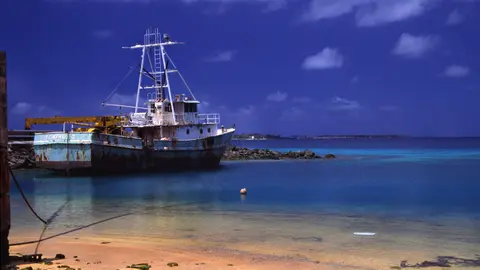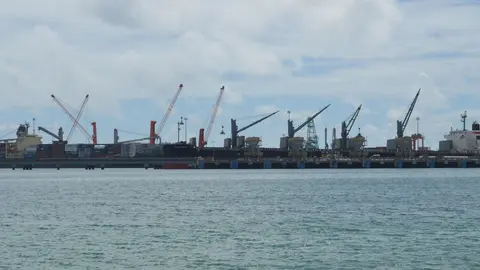
A ship was arrested in a US port because of a business dispute. Guards then came on board to stop the crew from leaving. All seafarers had to muster, or gather for a head count, every four hours, day and night.
The case was described by Philip Schifflin of the Seamen's Church Institute (SCI), a US seafarers' welfare group. He wrote about it in The Maritime Executive on 16 November 2026. Splash247 also reported it on 17 November. The ship and the port were not named.
What happened
The crew were not arrested. The ship was not part of a criminal investigation. It was arrested only to secure a commercial claim.
The musters every four hours broke the crew's sleep again and again. Nobody told them when the rules would end.
SCI's Center for Mariner Advocacy sent a local chaplain to visit the ship and help the crew, who could not go ashore.
It also contacted the local inspector of the ITF, the international transport workers' union. The inspector knew the officials involved and raised the problem with them.
After these talks, the four-hour muster rule was relaxed. The crew could rest without breaks again.
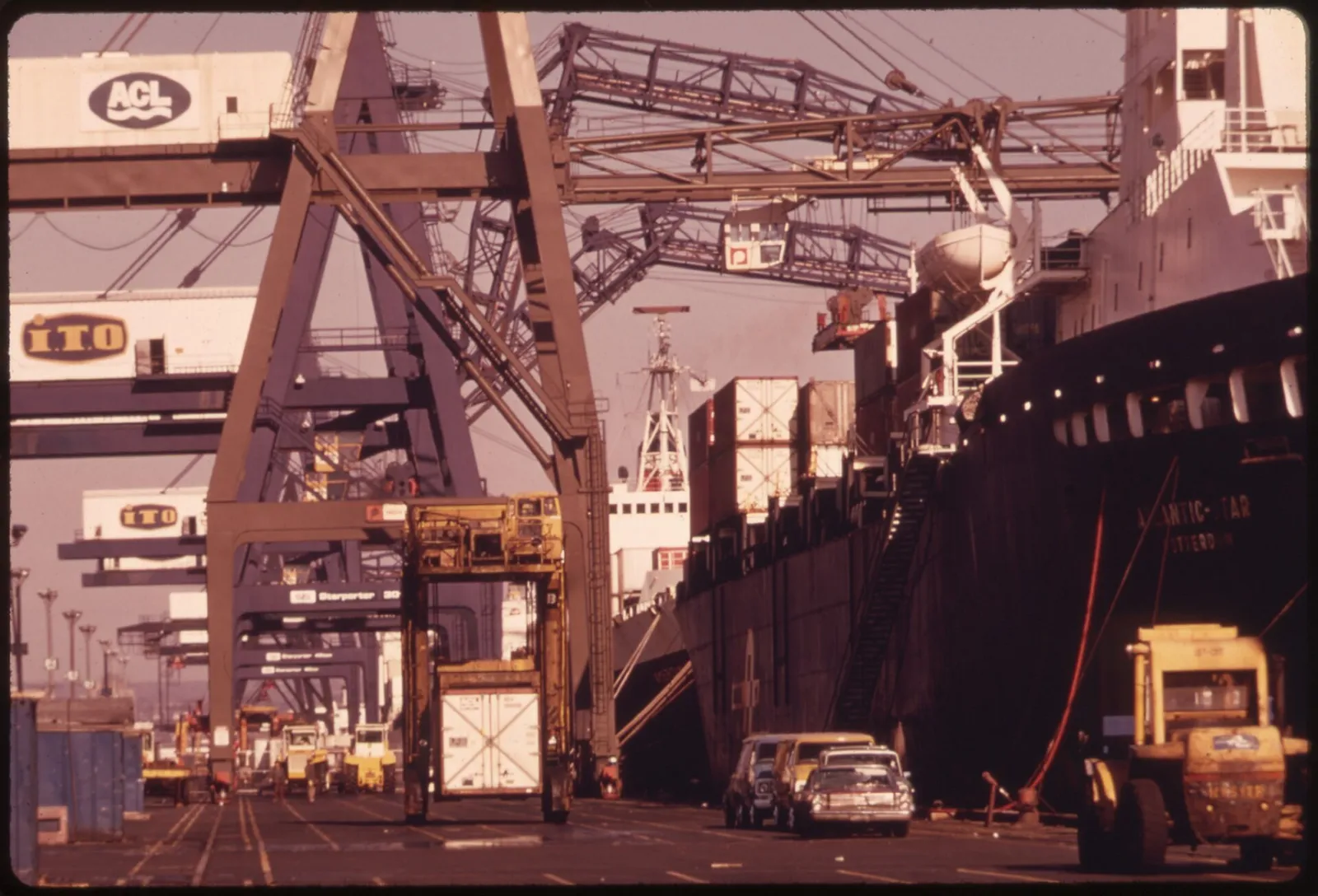
Arrest and detention are not the same
Schifflin explains the difference. Under US law, a court can order the arrest of a ship to secure a maritime claim. The claim can be about unpaid crew wages, salvage, a collision, unpaid supplies or a ship mortgage. The US Marshals Service usually carries out the arrest.
An arrested ship cannot leave without the court's permission. But this does not mean the crew are arrested or suspected of anything. A detention is different. The Coast Guard or another agency orders it, for example for safety problems or a criminal investigation.
"A ship may be the subject of legal proceedings, but its crew should not be treated as though they are, too." Philip Schifflin, Seamen's Church Institute
Immigration rules can still decide if a crew member may go ashore, he notes. But restrictions should fit the real situation. They should not come only from the fact that the ship is arrested.
What to do if your ship is arrested or detained
Ask the master or the ship's agent why the ship is held. Is it an arrest for a business claim, or a detention by an authority? The answer changes what rules can apply to you.
Ask what restrictions apply to the crew and for how long. Ask to see them in writing if possible.
Keep recording your real work and rest hours. Musters and checks at night break your rest. A written record helps if you need to complain later.
Contact a port chaplain or seafarers' centre. They often visit ships and can bring help when you cannot go ashore.
Contact the ITF through its help page for seafarers. ITF inspectors can talk to port and government officials for you.
In the USA, SCI's Center for Mariner Advocacy gives free legal help to seafarers and chaplains.
If the ship is arrested because wages are not paid, keep copies of your contract, pay slips and messages with the company. Unpaid crew wages are one of the claims a ship can be arrested for.
Our report on the new study of 4,445 seafarers shows that broken rest hours are a common problem on board. India now requires ports to report abandoned and detained ships and the welfare of their crews. Help lines and official contacts are on our useful links page.
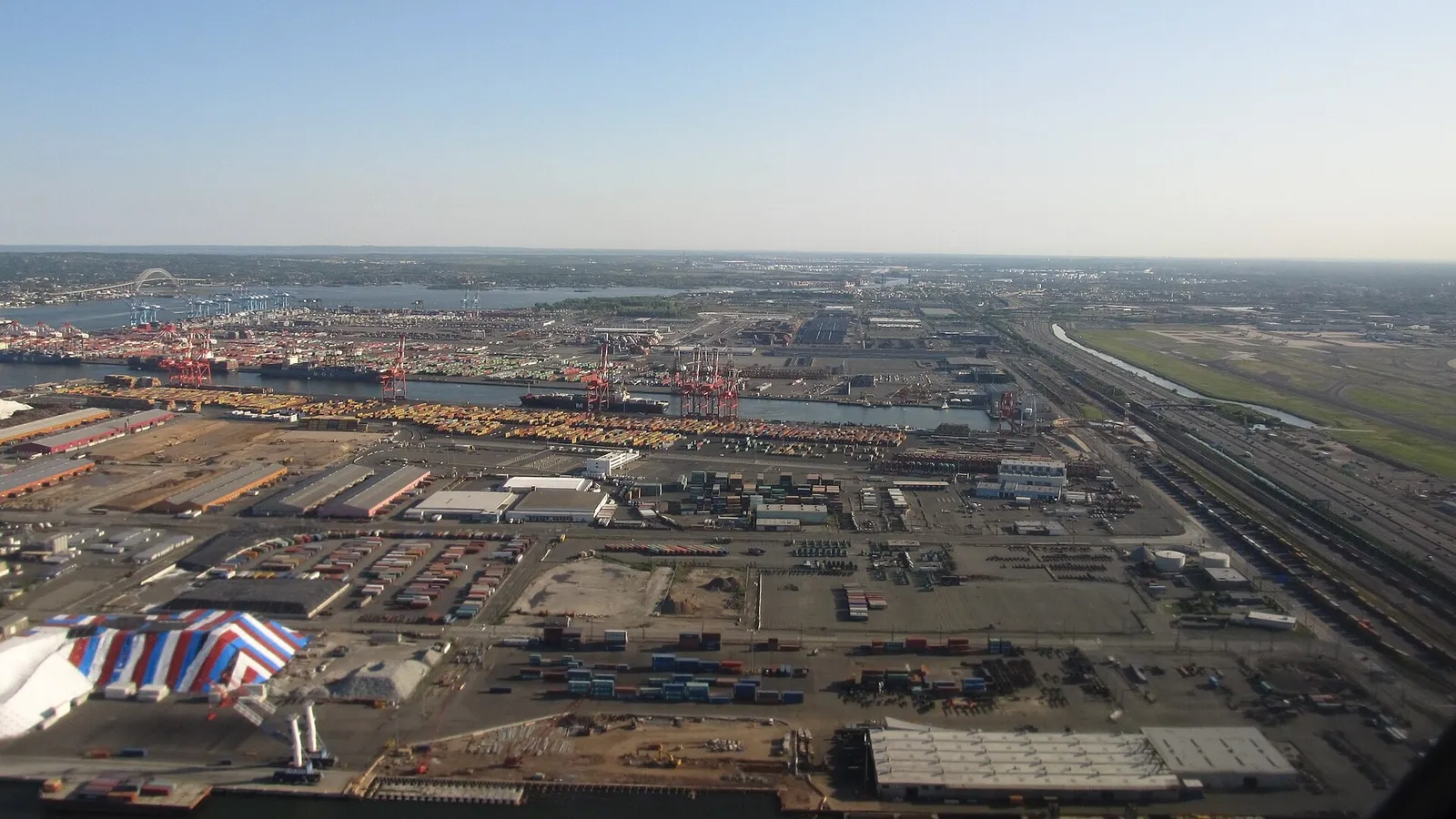
Cover photo: Port Newark-Elizabeth Marine Terminal in New Jersey, USA, seen from a plane, May 2012. Schifflin often visits seafarers at Port Newark. Illustrative photo, not the port in this story. Photo: Ken Lund/Wikimedia Commons, CC BY-SA 2.0 (cropped).
How we choose, write and correct our articles: editorial policy.