An ordinary seaman died after he fell about 20 metres into a cargo hold on the bulk carrier Algoma Victory. He fell through the gap between two open hatch covers. It happened on 1 April 2026 in the Caribbean Sea, between the Dominican Republic and Colombia.
The Bahamas Maritime Authority (BMA), the ship's flag state, published its investigation report in October 2026. The report wants to stop similar accidents. It does not decide who is to blame.
What happened
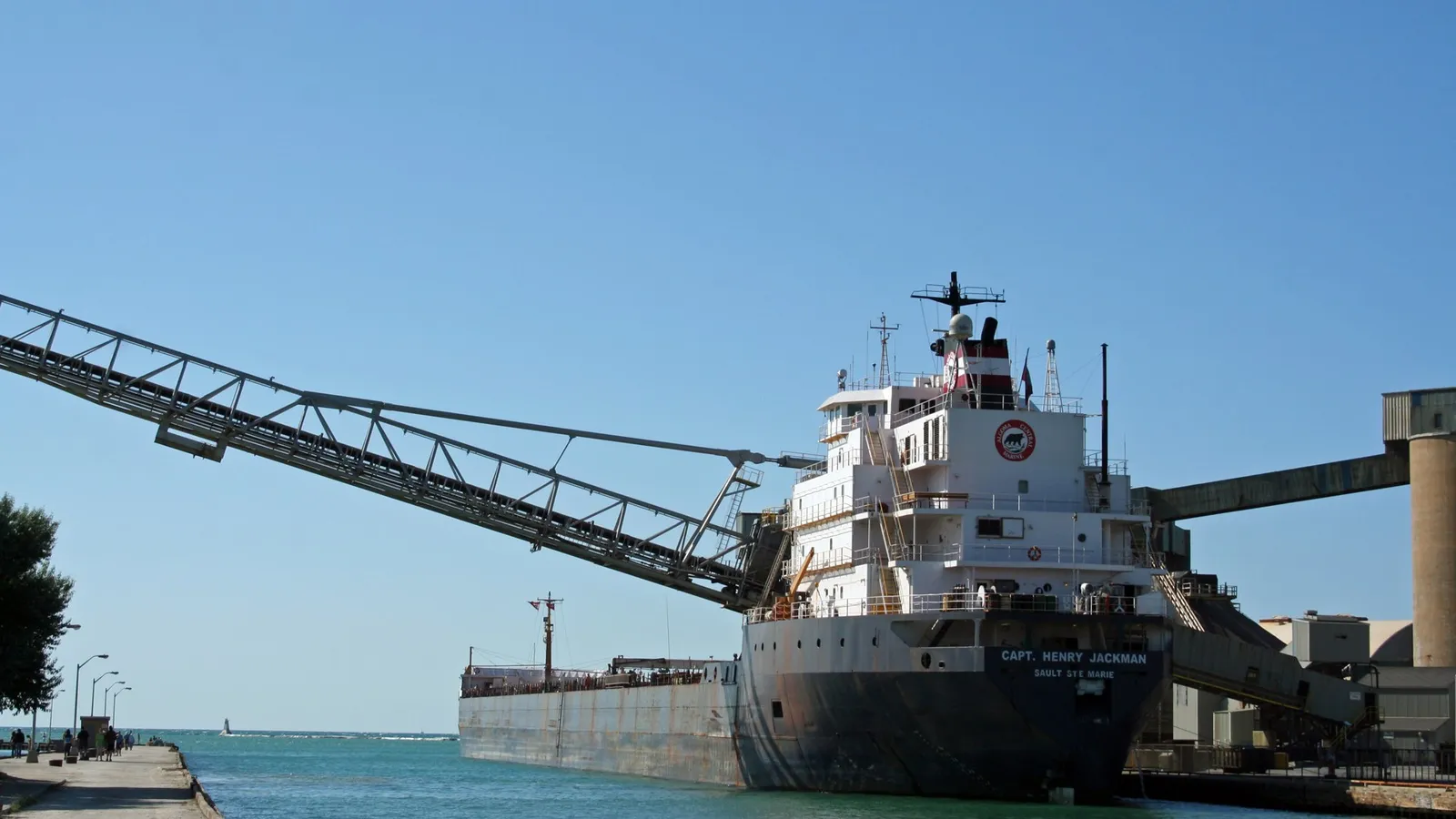
The Algoma Victory is a self-unloading bulk carrier, built in 2000 and 215 metres long. A self-unloader has conveyor belts under the holds and a long boom on deck. The boom carries the cargo ashore, so the ship does not need port cranes. V. Ships USA managed the ship. All 28 crew were from India.
The ship was on a short ballast voyage of less than two days. The deck crew had to wash the holds, the conveyor boom and the main deck before the next loading port. In the morning, the chief officer made the work plan and a work at height permit. He also held a toolbox talk with the team.
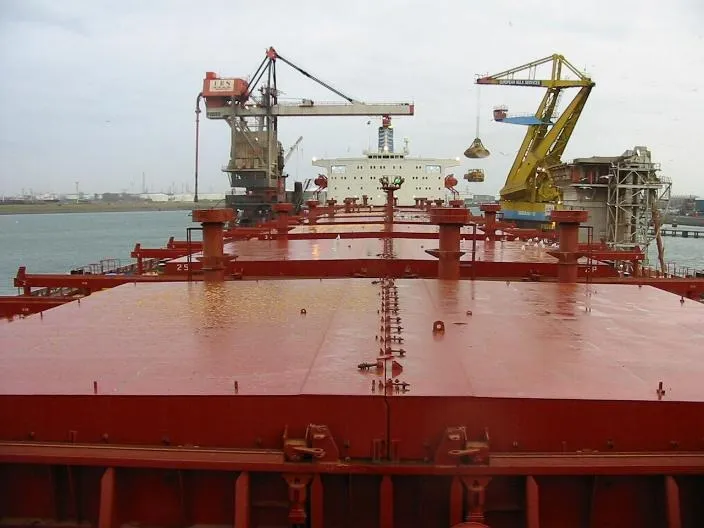
The bosun and the ordinary seaman (OS) opened all hatch covers. This let light and air into the holds. The covers on this ship roll to the sides. Each open hold had a gap of about 0.75 to 1 metre in the middle.
The OS had to wash the conveyor belt inside the boom. The plan was for him to stand on the catwalk on the boom. A catwalk is a narrow walkway with guard rails. In the morning he washed the port side of the boom from the catwalk.
After lunch, he climbed onto the open starboard hatch cover of hold 4 to wash the starboard side of the boom. He walked aft while he sprayed. The gap there was about 0.86 metres wide, with no rails and no markings. He fell through it into the hold.
The crew soon saw that he was missing. The bosun found him at the bottom of hold 4. The crew gave first aid and used a defibrillator, a machine that tries to restart the heart. A doctor ashore advised them by phone. He declared the OS dead at 16:35.
What went wrong
The job was not done as planned. The OS was meant to work from the safe catwalk. His job was not even on the work at height permit, so no extra safety steps were planned for him.
Walking on open hatch covers was normal. The work plan said the hatch covers should be washed when closed. But the deck crew often stood on them when they were open.
No one said stop. At least two more experienced crew members saw the OS on the open hatch cover. No one told him to go back to the catwalk.
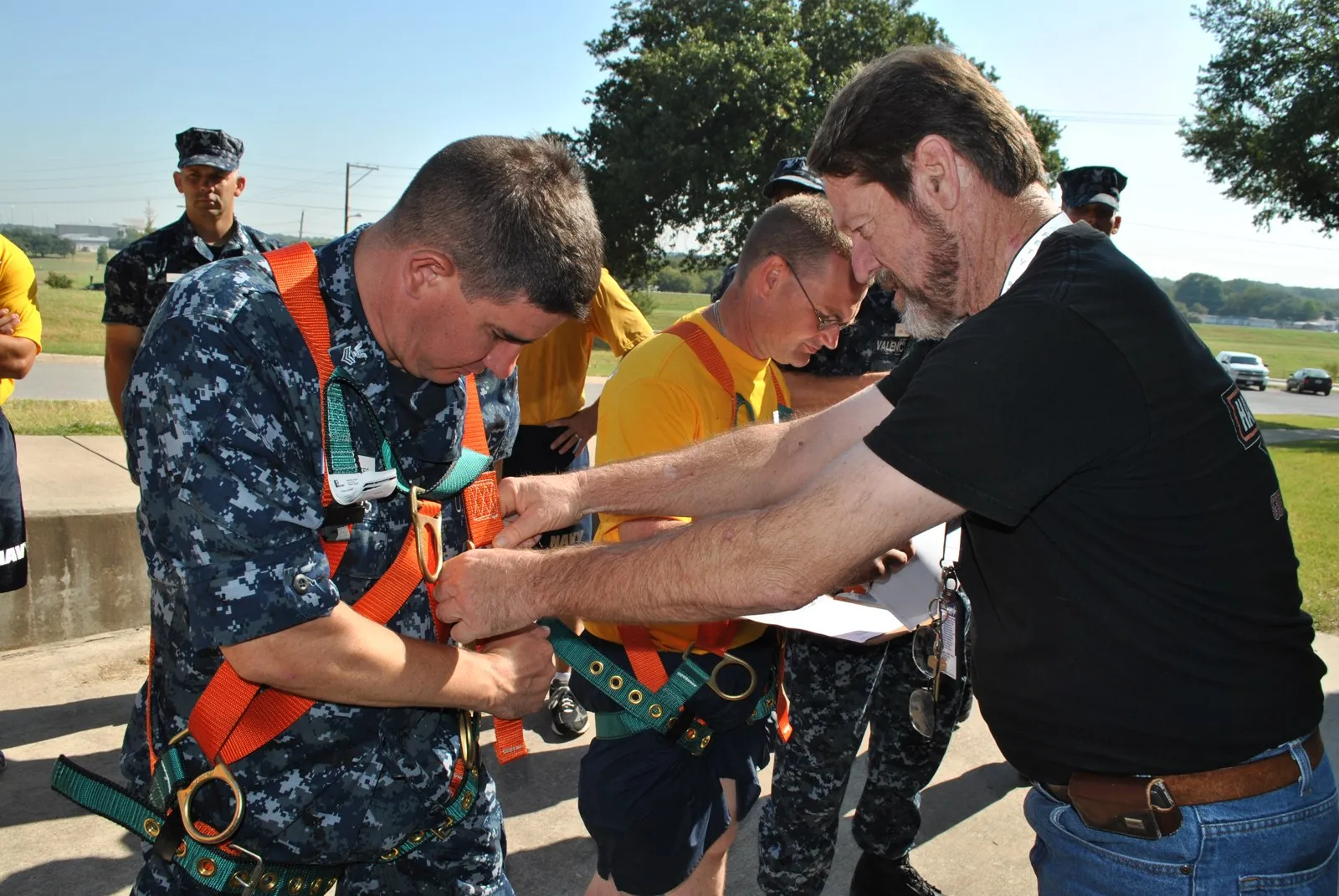
No fall protection. Harnesses were on board, but the OS did not wear one. The bosun wore a harness, but it was not clipped to anything, so it gave no protection.
No barriers or warning marks. Nothing stopped people from walking near the gap. The hold markers on the cover edges had the same colour as the covers. He may have tripped on his hose or on a marker.
Low water pressure and the boom angle. Other hoses were opened, so the pressure in his hose dropped. The boom was also parked at an angle. To reach it with the water, he kept stepping closer to the gap.
Time pressure and tiredness. On this short run, the crew worked 6 hours on and 6 hours off in port. They got extra rest later at sea. The BMA could not say that fatigue caused the fall. But it says crew were often tired, and the short voyages made them rush.
The BMA also looked at the wider industry. It says at least 20 crew members died in falls from height in the last four years. The International Maritime Organization (IMO) plans guidelines on falls from height, but not before 2031.
What has changed
V-Ships held a safety stand-down with all crew. This is a pause in work to review safety rules. It made a special risk assessment for boom washing. It also started a fleet campaign about falls at hatch covers. It uses warning signs, painted boundary lines and more training on harnesses.
The BMA will run an inspection campaign on falls from height across all Bahamas ships. It recommends that V-Ships checks the risk of fatigue across its fleet, using the IMO Guidelines on Fatigue.
Lessons for deck crews
An open hatch is a fall hazard. Any work near an open hatch is work at height, even a simple washing job.
Do not walk on hatch covers when they are open. If you must, close them first or use a harness clipped to a strong point.
A harness only protects you when it is clipped on. Wearing it loose is not enough.
If the job changes from the plan, stop. Tell the officer and do a new risk check before you go on.
If you see a shipmate in danger, say so. Speaking up can save a life, and it is not rude.
Officers: check that the permit covers every person and every task. Check that people really follow it on deck.
Mark and guard openings. Use rails, ropes, warning signs or bright paint at the edges.
Do not let short voyages push you to rush. Report tiredness. Under STCW, you need at least 10 hours of rest in any 24 hours and 77 hours in any 7 days.
Cover photo: The Canadian self-unloading bulk carrier Capt. Henry Jackman with its boom out, unloading in Goderich, Ontario, in September 2009. Illustrative photo, not the Algoma Victory. Photo: Perry Quan, Wikimedia Commons, CC BY-SA 2.0 (cropped).
Sources: Bahamas Maritime Authority, October 2026: Marine Safety Investigation Report, Algoma Victory, fall from height on 1 April 2026 (PDF), Bahamas Maritime Authority: Published investigation reports.
How we choose, write and correct our articles: editorial policy.