A fire that started in the laundry room destroyed a chemical tanker. All 12 crew left the ship in the lifeboat, and nobody was hurt. The ship was later declared a total loss and scrapped.
The Nautical Institute shared the case on 30 October 2026 in its Mariners' Alerting and Reporting Scheme (MARS), report 202636. It is based on an investigation by Türkiye's transport safety investigation centre (UEIM). MARS does not name the ship or give the date of the fire.
What happened
The tanker was sailing in ballast, with empty cargo tanks. It had just discharged a cargo of ethanol. At about 17:25, the officer on watch in the engine control room saw smoke behind a light fitting.
As a precaution, the crew stopped the generator and the main engine. Then they searched the engine room for a fire. They did not find one.
Soon after, smoke came out of the accommodation on the port side. It came from the laundry room. Smoke was escaping around the door, and the door was hot to touch.
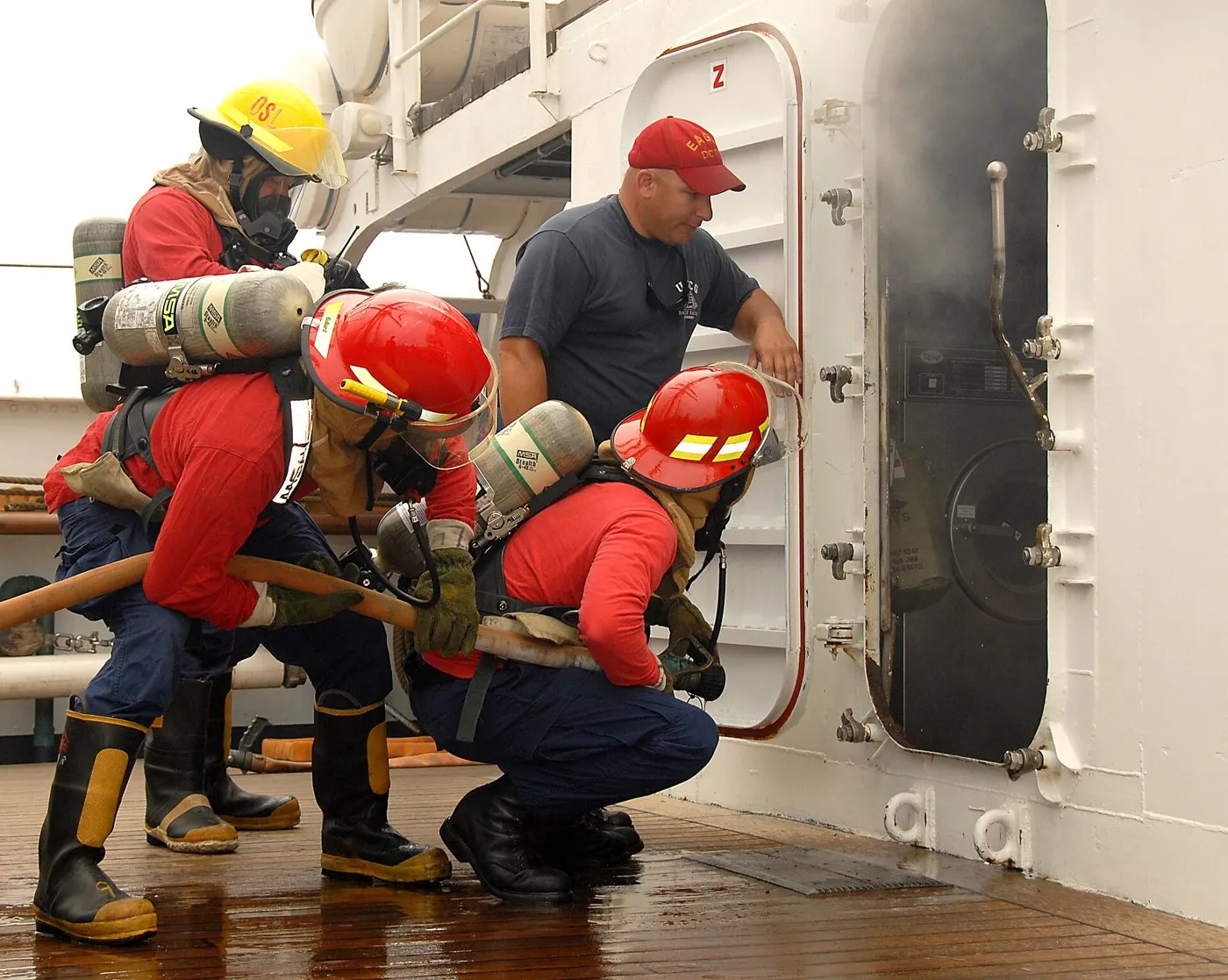
The fire spread very fast through the accommodation. Crew in firefighting gear tried to fight it. The smoke was too thick, and they could not get close to the fire.
Why the crew could not fight the fire
The generator was stopped, so the main fire pump had no power. The emergency fire pump was in the steering gear room. That room had filled with thick black smoke, so nobody could get in to start it.
Without a working pump, the fire hoses had no water. The master ordered the crew to abandon ship and sent a distress call. Minutes after the crew left, flames reached the bridge and there were explosions.
A passing container ship picked up the crew about an hour later. They were then moved to a coast guard vessel. The coast guard put the fire out the next afternoon.
What the investigation found
The fire alarm did not go off. No smoke or heat detector was working in the laundry room.
The crew saw smoke in the engine control room only by chance. A duct, a pipe for air, connected it to the laundry. This delay let the fire grow.
The exact cause was not proven. The evidence pointed to an electrical fault in a laundry machine as the most likely cause.
The laundry held other things that burn: fibre from oil filter wraps, filters, mattress sponge and cleaning chemicals.
What it means for crews
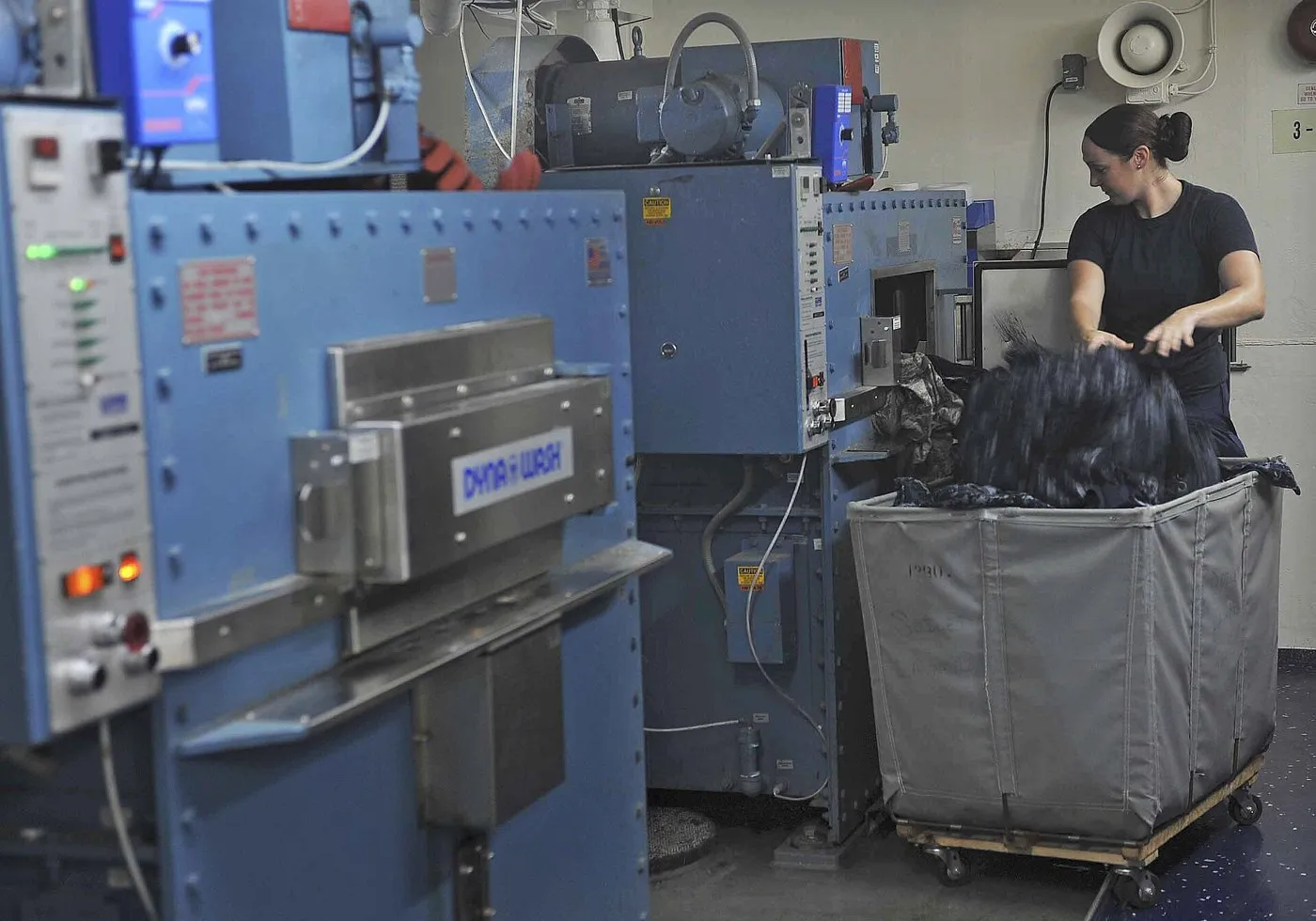
The Nautical Institute says laundry rooms are a known fire risk that people often forget. Machines run without anyone watching, they make heat, and lint builds up. Fire can grow there very fast.
Before you stop a generator or isolate machinery "just in case", think about what you lose. Check that a fire pump will still work until you know where the problem is.
Know where the emergency fire pump is and how to start it. Think about how you will reach it if there is smoke in that space.
Report a missing or faulty detector at once. A working detector is often the difference between a small fire and losing the ship, MARS says.
Clean the dryer's lint filter before every load. Blocked filters stop the air flow, the UK reporting scheme CHIRP says.
Do not dry rags or boiler suits with oil in them without washing them well first. Oily cloth can heat up and catch fire by itself, CHIRP warns.
Do not put hot clothes or towels in a plastic bag or on top of the dryer. Let the dryer finish its cooling cycle.
Keep the laundry tidy. Do not store filters, mattresses or chemicals there.
Do not leave machines running when nobody is near. Report strange smells, noise or heat from a machine.
Read also the lessons from the Genius Star XI battery cargo fires. In Japan, a chief engineer died when a tug caught fire. Read how five crew were rescued from a liferaft off Miyako Island.
Engineers carry much of the fire safety work on board. See Chief Engineer salaries on Crewboard.
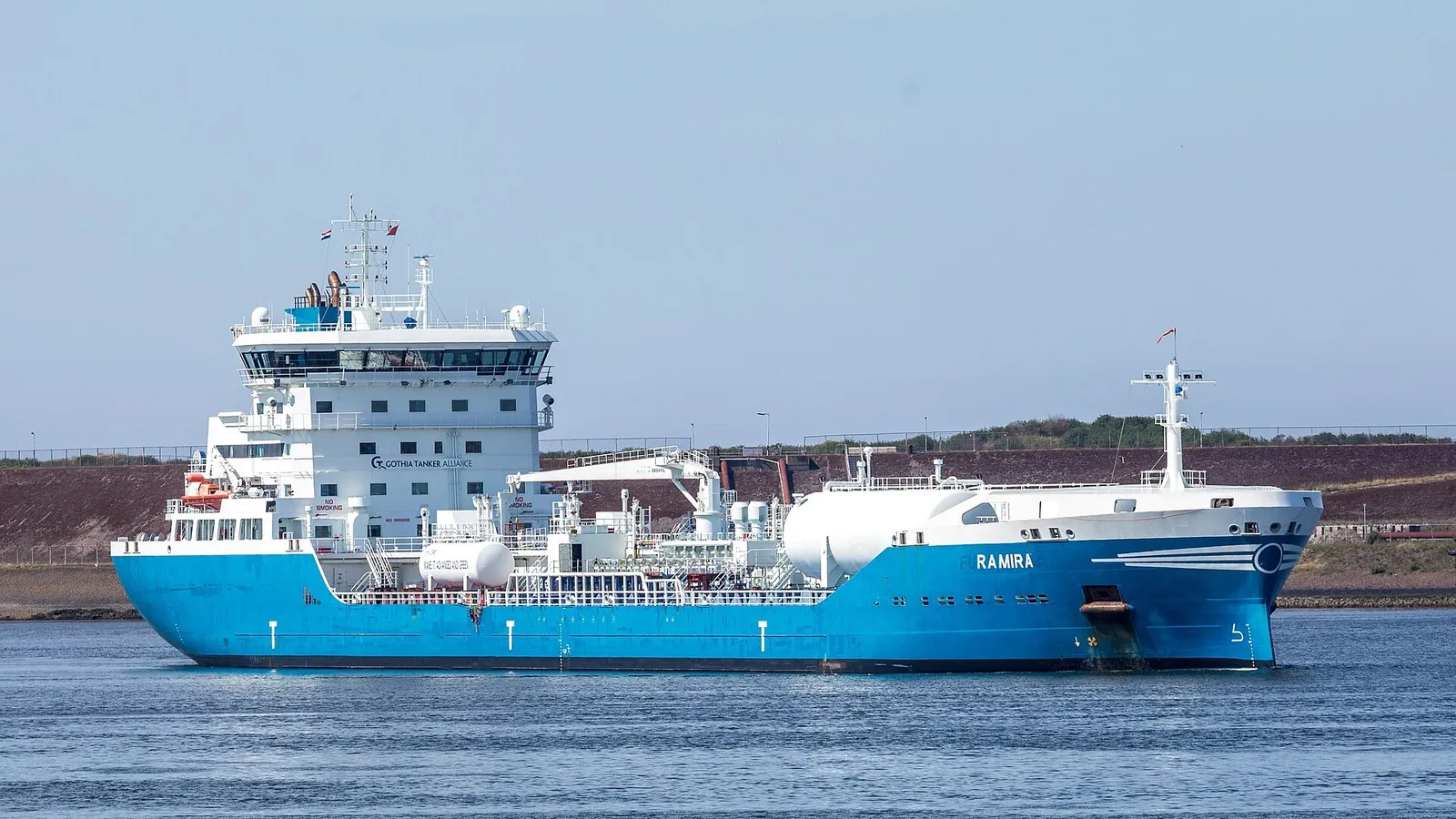
Cover photo: The chemical tanker Ramira in the North Sea Canal at IJmuiden, Netherlands, in April 2025. Illustrative photo, not the ship in this story. Photo: Raimond Spekking/Wikimedia Commons, CC BY-SA 4.0.
Sources: The Nautical Institute, MARS 202636: Laundry fire destroys ship (30 Oct 2026), Safety4Sea: Lessons learned: Firefighting capability must be preserved during an emergency, CHIRP Maritime, report M2183: smouldering fire in a laundry from hot towels, IMCA Safety Flash 24/23: Fire in the laundry room.
How we choose, write and correct our articles: editorial policy.