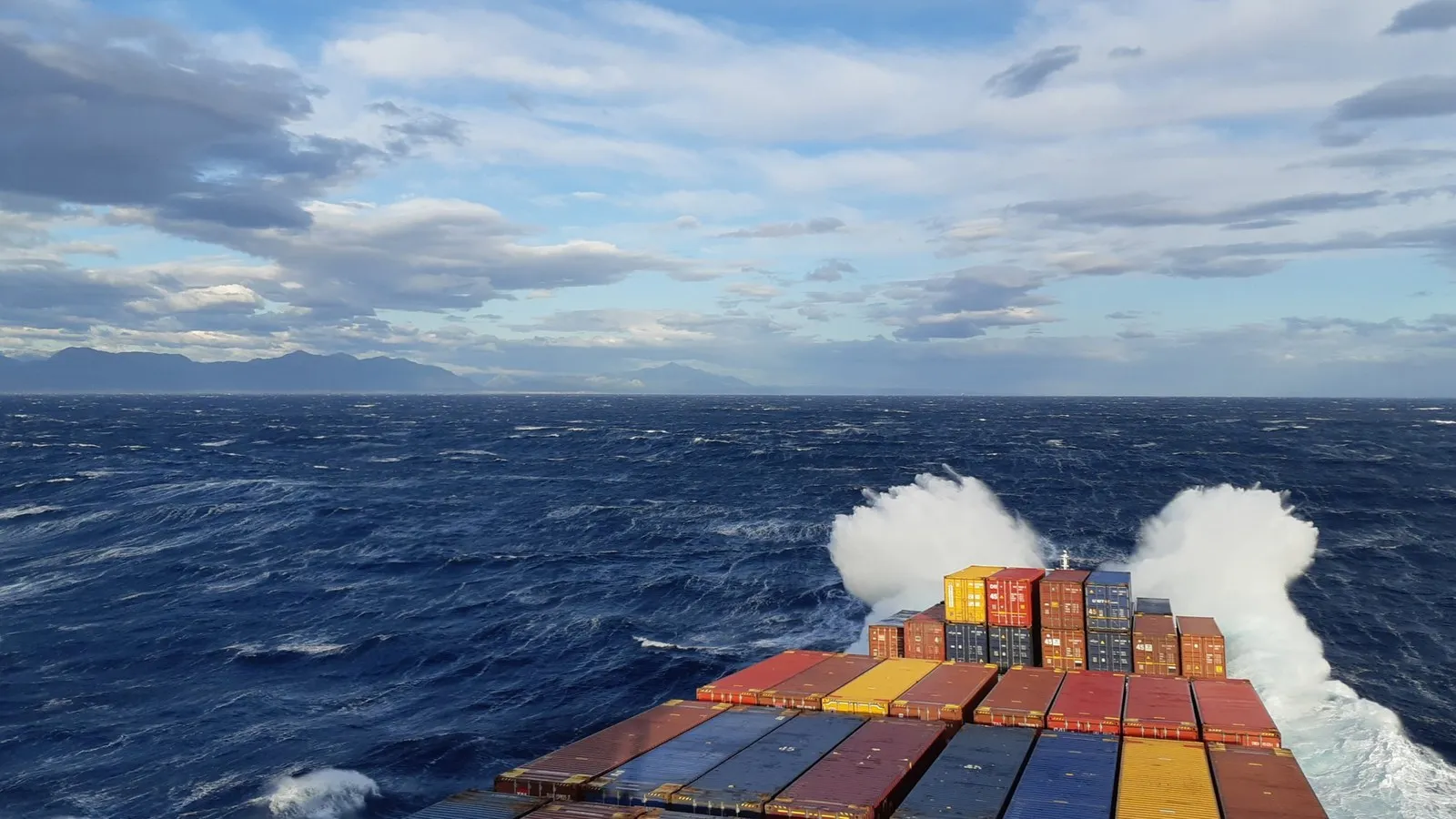
Big waves hit crew members working on the forecastle in rough seas, in three separate cases. Three seafarers died and three others were hurt. The forecastle is the raised deck at the front of the ship.
The Liberia Maritime Authority describes the cases in Marine Advisory 24/2026, dated 30 October 2026. Its own investigations found the same mistakes in each case. The advisory does not name the ships.
The three cases
Case 1: A deck team went forward in rough weather to check loose securing gear. A large wave broke over the bow and swept across the forecastle. Two crew members were thrown against the ship's structure. One of them later died.
Case 2: A deck team was allowed to inspect the forecastle after a period of rough weather. As they were going back to the accommodation, a large wave hit the area. The others reached shelter. One seafarer did not. The wave threw the seafarer across the deck and into the ship's structure, with fatal injuries.
Case 3: Bilge alarms went off again and again, so crew went forward to find where sea water was coming in. The ship was still moving in rough seas. After the inspection, a large wave apparently hit them while they were securing the area. One seafarer died. Two others were injured and taken ashore by helicopter.
What went wrong
Liberia found the same failures again and again. In short, people were sent onto open decks when the work could have waited.
Crew did inspections that were not urgent while the ship was at sea in bad weather.
Nobody asked properly if the job had to be done at that moment, or if it could wait for better weather.
Risk assessments did not take the real weather, the ship's movement and the waves into account.
Extra safety steps from the risk assessment were not actually put in place.
Gear was not secured before the bad weather came.
People did not think enough about sudden large waves and green water. Green water is solid sea water that comes over the bow and runs along the deck.
Crew on the open deck were not watched closely enough, and access to the forecastle was not controlled.
What Liberia asks ships to do
The advisory tells owners, masters and officers to check their safety management system (SMS). The SMS is the company's set of safety procedures under the International Safety Management (ISM) Code. The main points are:
Secure all equipment, stores, mooring gear, lashings and deck fittings before the forecast bad weather arrives. Check that doors and hatches are watertight and weathertight.
Put off inspections and repairs that are not urgent until the weather is better.
Keep people off open decks in bad weather. Allow it only when the ship or the people on board are in immediate danger.
Before anyone goes out, write a risk assessment and get the master's approval.
Keep constant radio contact with the people on deck. Have a lookout who watches them and the sea.
Make sure there is always a shelter and a safe way back close by.
Wear the right protective gear. Use safety harnesses and lifelines when the risk assessment or company rules say so.
Hold toolbox talks about waves, ship movement, escape routes, communication and emergency plans. A toolbox talk is a short safety meeting before a job.
Bad weather also played a part in another recent case on Crewboard. Read how loose battery cargo caught fire on the Genius Star XI in a gale.
What it means for crews
These points come from the advisory. They matter most for deck ratings, the bosun and the officer in charge of deck work.
Before you go forward in bad weather, ask one question. Does this job have to be done now? If it can wait, say so.
Do not go onto an open deck in heavy weather without a risk assessment and the master's approval.
Carry a radio and agree on how you will call for help. Know your nearest shelter before you start.
Watch for sudden large waves and green water the whole time you are on deck.
If the weather gets worse, or a wave comes over while you work, stop and go back to shelter. The advisory asks crews to use their authority to stop work when the risk grows.
Report unsafe orders or conditions. You can find official help lines in Crewboard's useful links for seafarers. See also AB (Able Seaman) salaries on Crewboard.
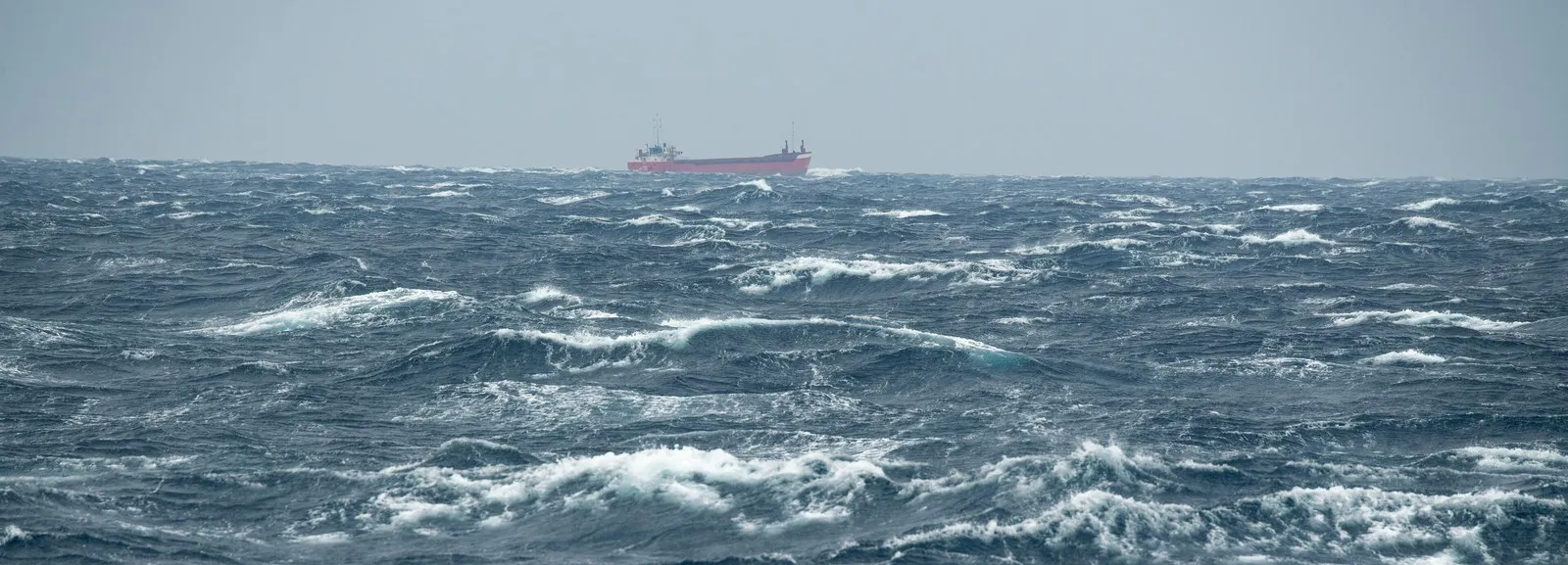
Cover photo: Spray flies up at the bow of the container feeder Encounter, seen from the bridge. It was in rough weather off Cantabria, Spain, in 2019. Illustrative photo, not one of the ships in the advisory. Photo: Niels Johannes/Wikimedia Commons, CC BY-SA 4.0 (cropped).
Sources: Liberia Maritime Authority, Marine Advisory 24/2026: Prevention of fatalities and serious injuries during weather deck operations in heavy weather (30 Oct 2026, PDF), Safety4Sea: Liberia warns of fatal risks during heavy weather deck operations (4 Nov 2026).
How we choose, write and correct our articles: editorial policy.