New equipment on ships often moves risk from one place to another. It does not always make work safer. That is the main finding of a new report from The Nautical Institute and Lloyd's Register Foundation.
The report is the first big paper from the STEER Project. STEER means Seafarer Technology Engagement, Empowerment and Resilience. The Nautical Institute published it on 4 November 2026.
What the study found
The team reviewed 471 maritime casualty cases from 2005 to 2025. In 43.1% of them, at least one human-factor cause was linked to equipment or workplace conditions.
In 35 cases where technology was a direct cause, safety management failures were present in 89%. Inadequate resourcing was present in 77%. So the problem was often how the system was used and supported, not only a broken machine.
The report also used 105 academic studies, 55 industry papers, interviews, ship visits, workshops and surveys. Seafarers said they are not against new technology. They are frustrated by hard systems, weak familiarisation, mixed screens and too many alarms.
How this hits daily work
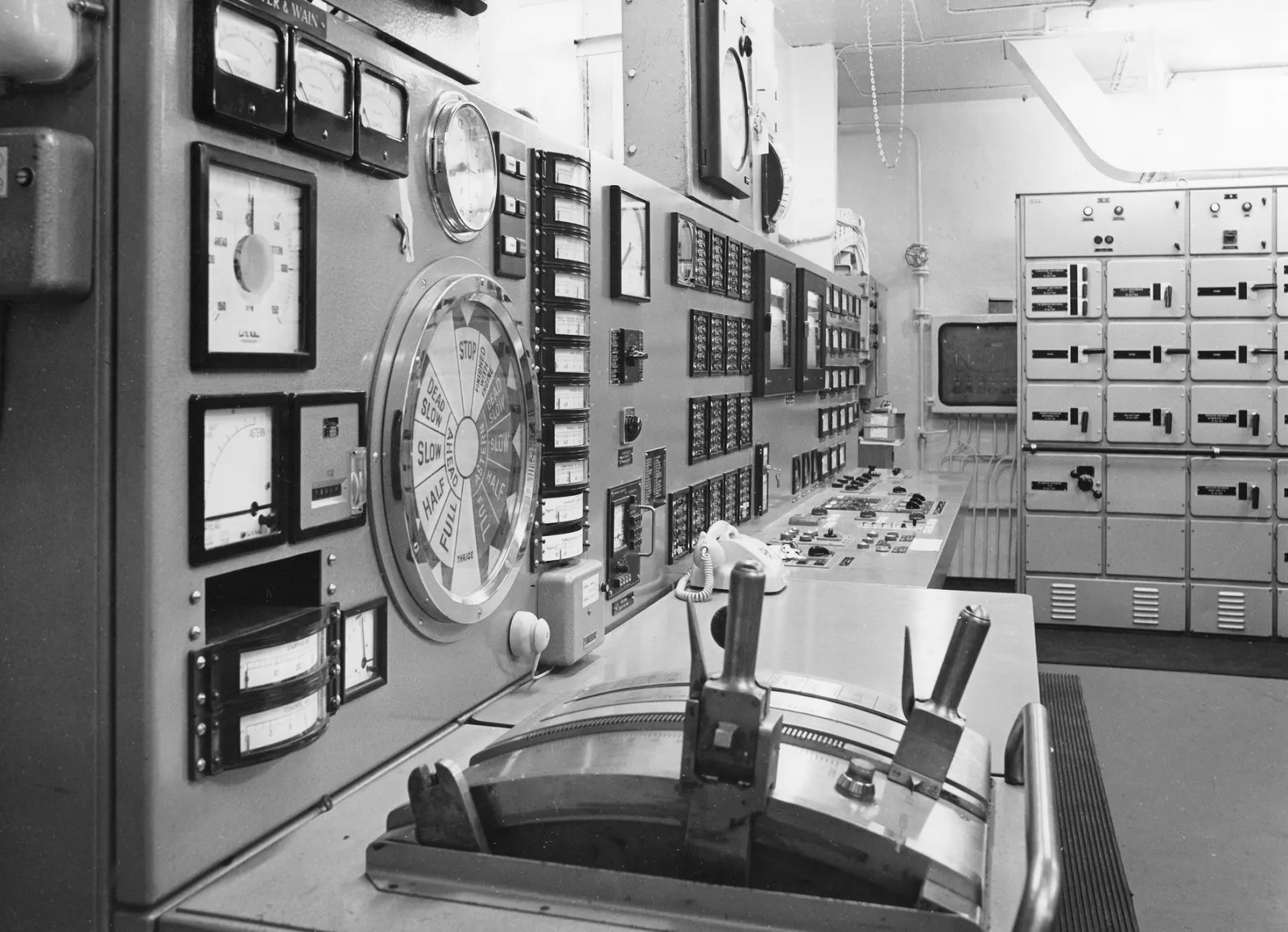
Digital systems can cut some routine tasks. They can also add admin work, more emails and more monitoring. In an emergency, alarm floods can make it hard to find the real fault. The report cites the Viking Sky blackout in 2019, when about 1,000 alarms came in about 10 seconds.
Better internet helps crews talk to family. It can also blur work and rest. Some seafarers feel the ship never leaves the office.
The study links these points to wider crew welfare. Read how seafarers feel about shore leave, internet and wages in the latest happiness survey.
What crews can do now
Ask for vessel-specific familiarisation on every new system. Generic certificates are not enough when the screens on your ship look different.
Treat repeated nuisance alarms, overrides and workarounds as safety issues. Report them in the safety meeting, near-miss log or SMS. Do not stay quiet.
Practise what to do when a system fails or gives a wrong reading. Keep basic skills sharp, such as radar plotting and manual checks, so you are not stuck if the screen fails.
If a new system adds duplicate paperwork or more watch workload, write it down through the company SMS. Ask for the process to be simplified.
Take part in technology trials, surveys and feedback forms when the company or makers ask. Your daily use of the gear is the evidence they need.
Protect rest when the ship has good internet. Set clear times for personal messages so sleep and lookout stay safe.
For fire and equipment failures that put crews at risk, see the lessons from a laundry fire that destroyed a chemical tanker.
Keep official help lines and reporting contacts in Crewboard's useful links.
The STEER team says this report starts a longer project. Later work will turn seafarer feedback into practical tools. For now, the message for crews is clear: speak up early when technology makes the job harder or less safe.
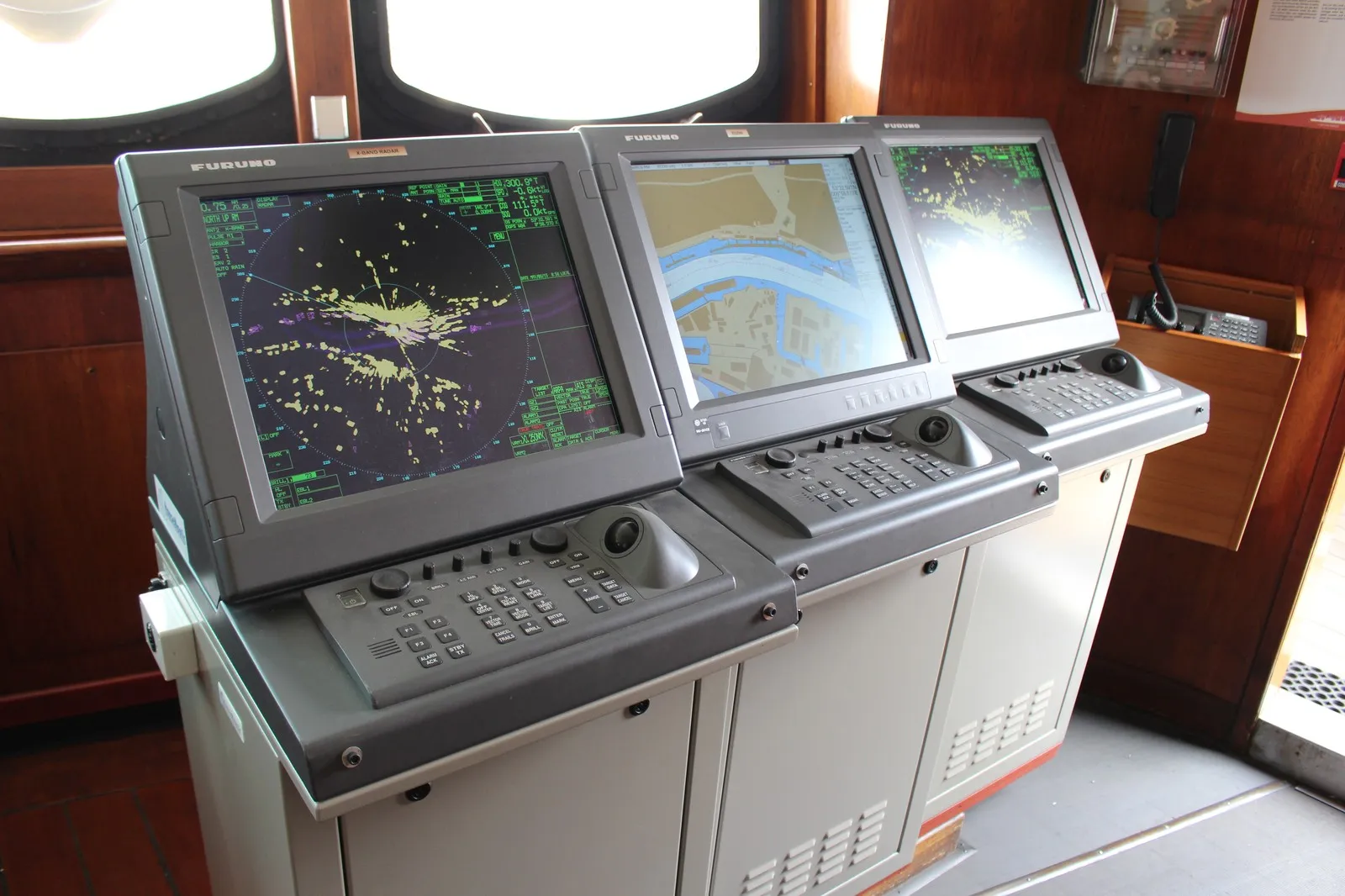
Cover photo: Radar and ECDIS screens on the bridge of the museum ship Cap San Diego in Hamburg, Germany, May 2015. Illustrative photo. Photo: Michael Krahe/Wikimedia Commons, CC BY-SA 4.0.
Sources: The Nautical Institute: The STEER Project initial report (4 Nov 2026), STEER Project PDF: The evidence, the gaps and the way forward (Sept 2026 report, published Nov 2026), Lloyd's Register Foundation: STEER programme page, Splash247: Maritime technology shifting rather than eliminating risks, study finds (5 Nov 2026).
How we choose, write and correct our articles: editorial policy.