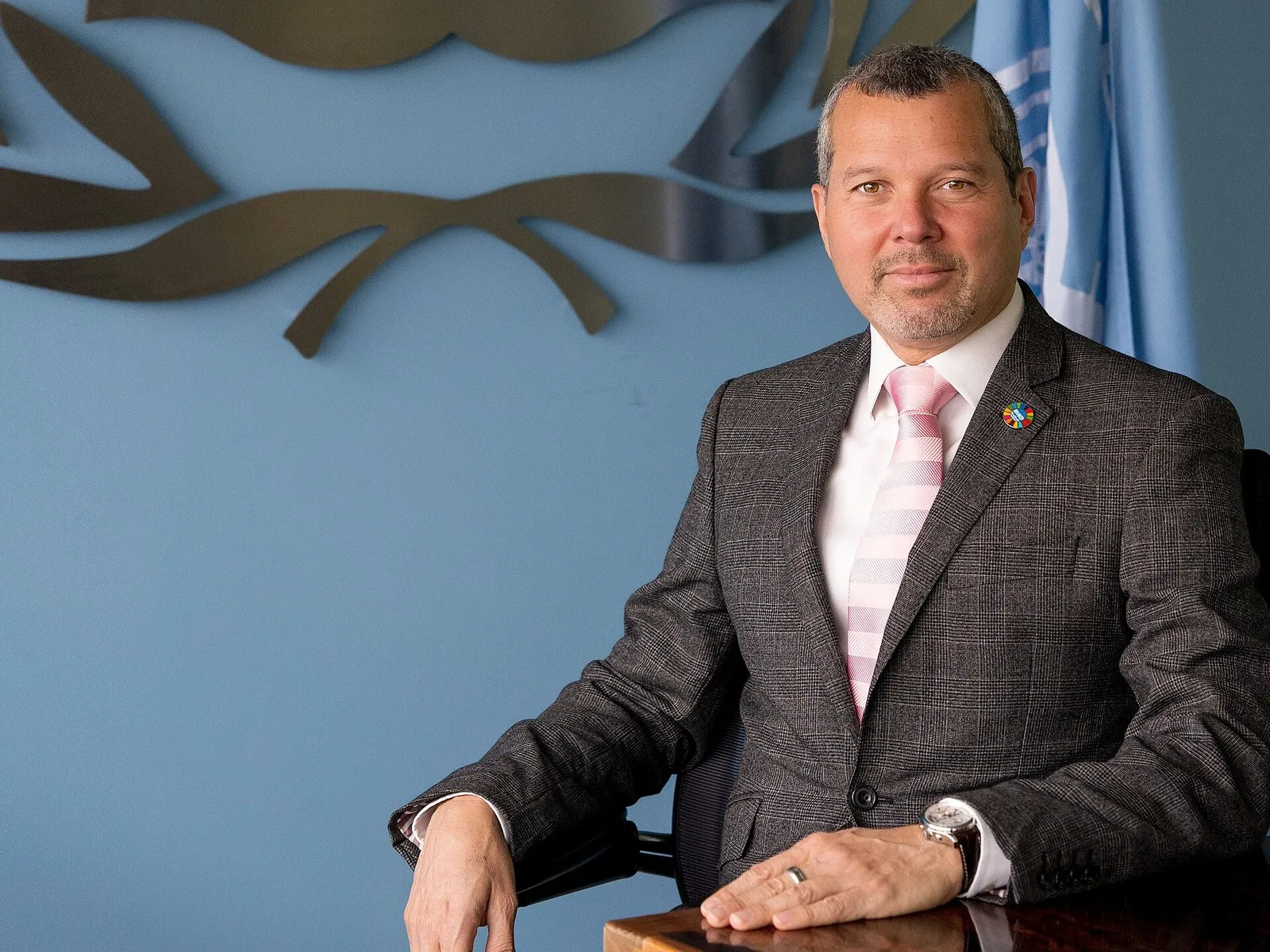
The head of the International Maritime Organization (IMO) has warned again about the Strait of Hormuz. Secretary-General Arsenio Dominguez spoke to reporters in London on 2 November 2026. It was the first day of the IMO Council meeting.
"It is just not safe to go through the Strait of Hormuz." Arsenio Dominguez, IMO Secretary-General, as quoted by AGBI
He was asked about the very high pay that some crews now get for crossing the strait. The business news site AGBI reported his answer. He said high pay does not change the danger.
What crews are being paid
AGBI quoted figures from the Financial Times. Some tanker masters are paid about $100,000 a month. They also get about $50,000 for each crossing of the strait. Other crew members get four to six times their normal pay, the report says. Crewboard could not check these figures ourselves.
Dominguez said the IMO cannot stop shipowners from sending ships through the strait. "I can't stop them," he said. His message to the industry was simple: "Just stop going through the strait."
What the IMO says about the danger
The IMO counts 125 confirmed attacks on ships in the Gulf region since the conflict began in late February. 24 seafarers have been killed, AGBI reported. October was one of the worst months. Xinhua reported about 30 attacks in October, and The National reported 34.
The true number may be higher, The National reported. Some ships turn off their AIS (Automatic Identification System), which shows a ship's position to others. Some sail under false flags. Attacks on these ships are often not reported.
Dominguez said the IMO cannot confirm that sea mines have been cleared from the strait, Xinhua reported. The normal traffic lanes in the strait are not in use. Ships now take a northern route through Iranian waters or a southern route near Oman with US escorts. The IMO has not approved either route.
About 6,000 seafarers are still on about 350 to 400 ships inside the Gulf, Xinhua reported. The IMO says it works with countries in the region and with the ITF (International Transport Workers' Federation). They try to get food and supplies, medical care, mental health support and contact with families to these crews.
In his opening speech to the Council, Dominguez said seafarers are becoming pawns in disputes in which they have no stake. He also named attacks in the Red Sea, the Black Sea and other areas, and more piracy in the western Indian Ocean.
If you are offered a contract for the Gulf
A big bonus does not protect you from a missile, a drone or a mine. Think carefully before you sign. These steps can help.
Ask the crewing agency where the ship will trade. Ask if it will cross the Strait of Hormuz or enter the Gulf. Get the answer in writing.
Check if the ship has an IBF agreement or another collective bargaining agreement (CBA). The IBF lists the Gulf, the strait and the Gulf of Oman as a warlike area until 19 November 2026. Read your rights in the IBF warlike area.
On ships with an IBF agreement, you have the right to refuse to sail into a warlike area. The company must then send you home at its cost and pay two months' basic wage. Other contracts may have different rules.
Make sure the bonus, the extra death and disability cover and the route are written in your contract before you sign. A verbal promise is not enough.
Ask for the ship's name, flag and IMO number before you join. A ship with a false flag may have no real insurance, and attacks on it may not be reported.
Tell your family where the ship will go. Give them the contacts of your agency and your union.
If you are on a ship in the Gulf now and need help, contact your union or ITF Seafarer Support. The contacts are on Crewboard's useful links for seafarers.
Read our report on the attacks on ships in the Gulf for the latest incidents.
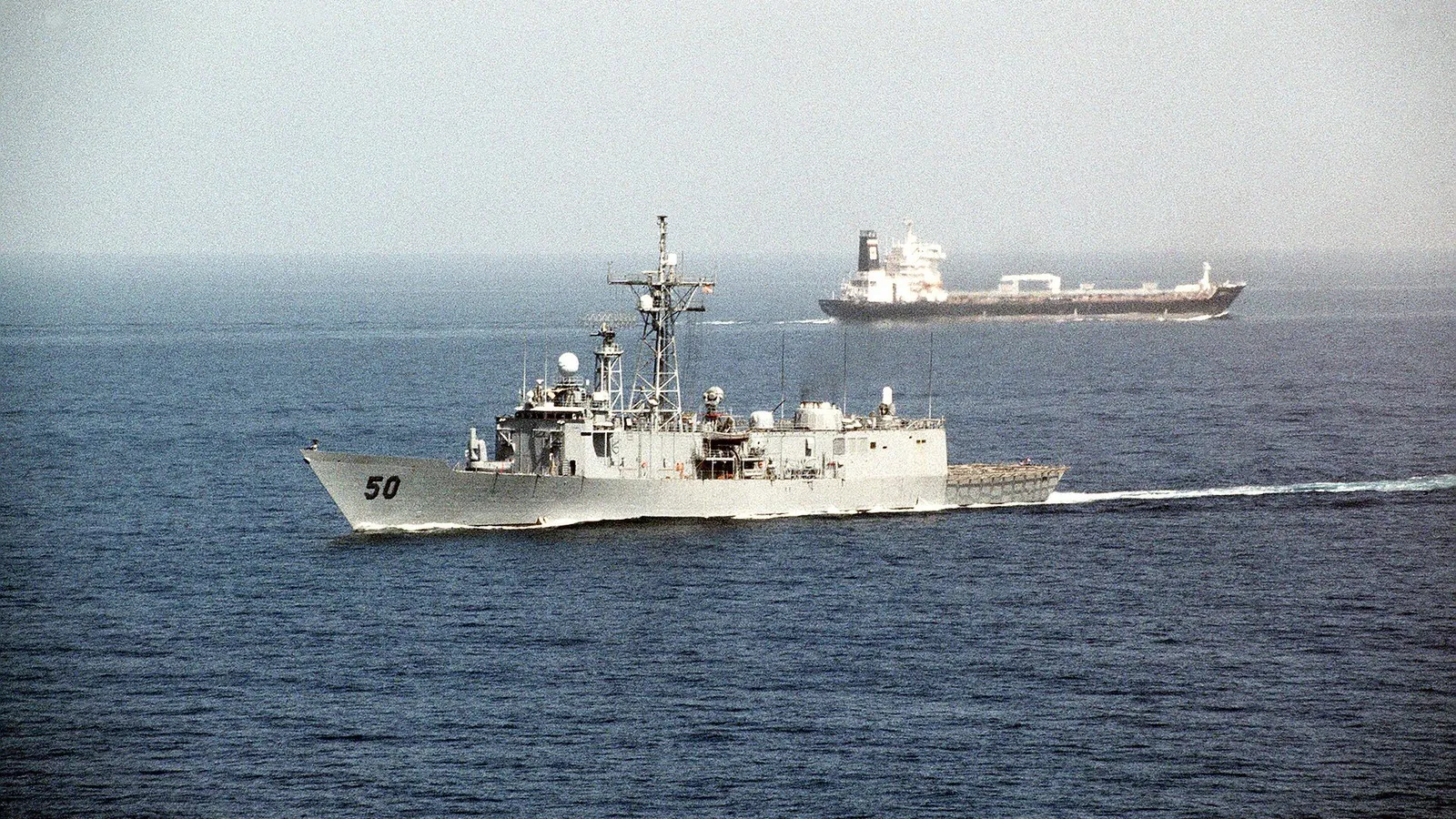
Cover photo: The US Navy frigate USS Taylor passes a tanker after a Strait of Hormuz transit in the early 1990s. The photo is illustrative and does not show a ship from this story. Photo: US Department of Defense, National Archives/Wikimedia Commons, public domain.
Sources: AGBI: UN shipping chief criticises huge payouts for crews risking Hormuz (3 Nov 2026), IMO: Secretary-General's opening remarks to the 138th session of the Council (2 Nov 2026), Xinhua: report on the IMO Secretary-General's press briefing about the Strait of Hormuz (2 Nov 2026), The National: Attacks on ships in Strait of Hormuz could be higher than official count (2 Nov 2026), ITF Seafarers: IBF warlike and high-risk areas.
How we choose, write and correct our articles: editorial policy.