The head of the IMO says too many ships cross the Strait of Hormuz without following basic safety rules. Secretary-General Arsenio Dominguez said this in a statement on 11 November 2026. He asked governments to act against these ships.
He named the problems. Some ships are substandard, which means they are in poor condition. Some cover their IMO number. Some are registered by fraud or sail under a false flag. A false flag means the ship claims a country's flag, but that country has not registered it.
What the IMO said
The IMO has verified more than 130 attacks on merchant ships in the Strait of Hormuz since 28 February 2026. At least 25 seafarers have died. Others are missing or injured.
"IMO's technical and operational regulations are there to protect seafarers, ships and the marine environment. They must be respected and enforced effectively." Arsenio Dominguez, IMO Secretary-General, 11 November 2026
Dominguez said there are too many cases of ships breaking basic parts of SOLAS. SOLAS is the International Convention for the Safety of Life at Sea. He asked flag states, port states and coastal states to deal with these ships. He also asked shipowners not to send ships through the strait if this puts crews at unacceptable risk.
Attacks go on. On 10 November four crew were hurt on the supertanker Fujairah Energy. You can follow all cases in our report on the Gulf attacks.
Why a false flag is dangerous for you
The flag state is the country that checks the ship and protects its crew. If the flag is false, no real country is responsible for the ship. The IMO's Legal Committee warns that such ships may not meet safety standards. This puts the crew in danger.
On a ship like this, it can be very hard to get help. This is true after an attack, when wages are not paid, or when a crew member is sick or hurt. There may be no insurer to pay for medical care or repatriation, which means the trip home.
What to do before you sign
These checks take a few minutes. Do them for any ship that may go to the Gulf, and also for any ship you do not know.
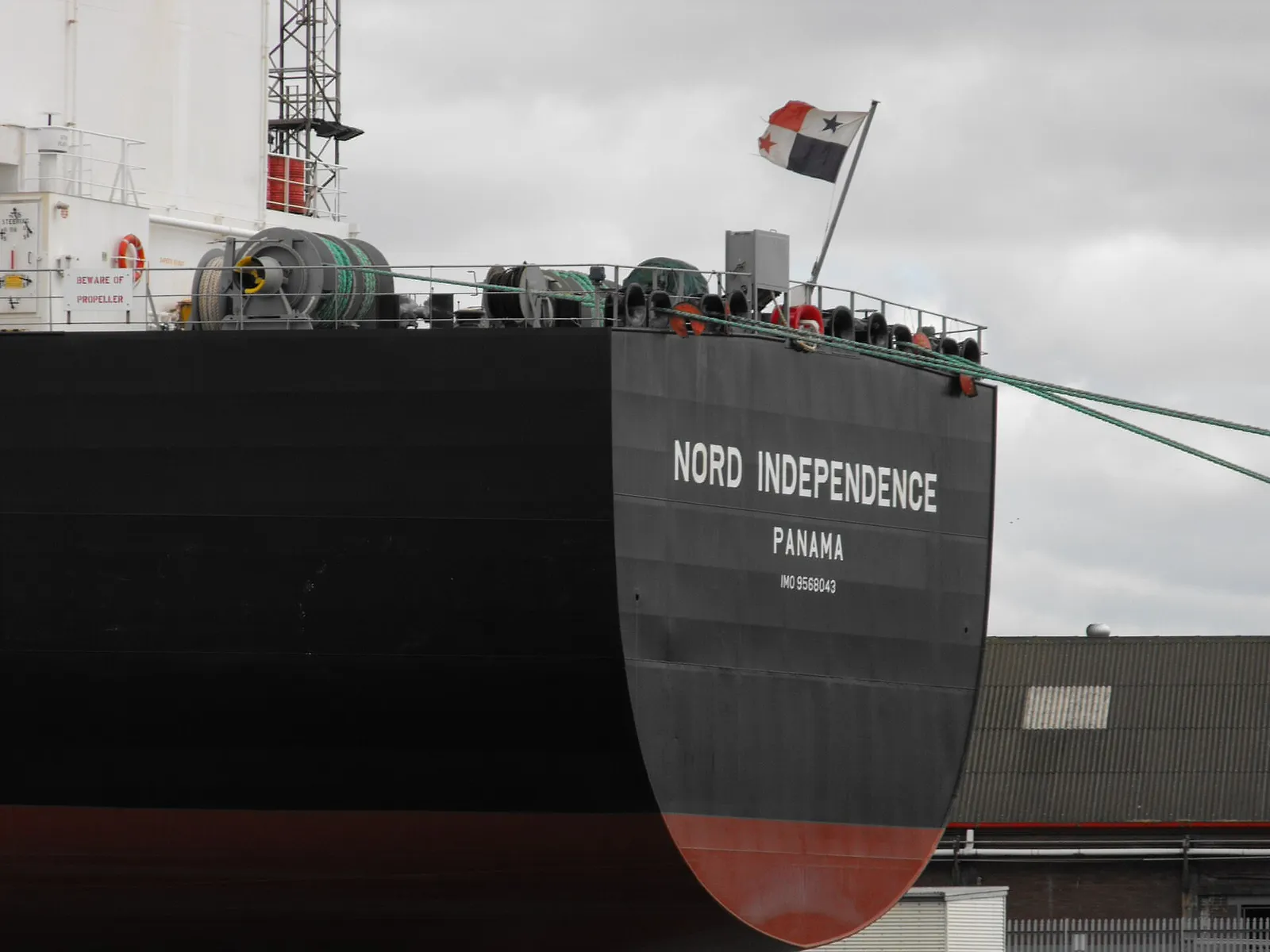
Get the ship's name and IMO number from the crewing agency. The IMO number has 7 digits and never changes, even when the name changes.
Look up the IMO number in the IMO's free GISIS ship database. You need a free public account. The IMO says it shows ships with a "false flag". This happens when the real flag country confirms the ship is not on its register.
If GISIS shows the flag as "False" or "Unknown", or a different flag from the one in your contract, do not sign. Ask the agency to explain in writing.
Ask for a copy of the financial security certificates under the MLC. They show who pays if the crew is abandoned, injured or killed.
Check that your contract names the shipowner, the flag and the ship. Keep a copy at home with your family.
If the ship will go to the Gulf, ask if it has an IBF agreement. That gives a bonus and the right to refuse to sail there. Read our post on the IBF warlike area.
What to do if you are already on board
Under the MLC, the financial security certificate must be posted in a place on board where the crew can see it. If you cannot find it, ask the Master.
Do you think your ship has a false flag? Is the IMO number painted over? Then tell your union or ITF Seafarer Support. Keep photos of your contract, your wage slips and the ship's papers on your phone.
Do not wait until there is a problem. Save the help line numbers now. You can find official help lines and certificate checks on Crewboard.
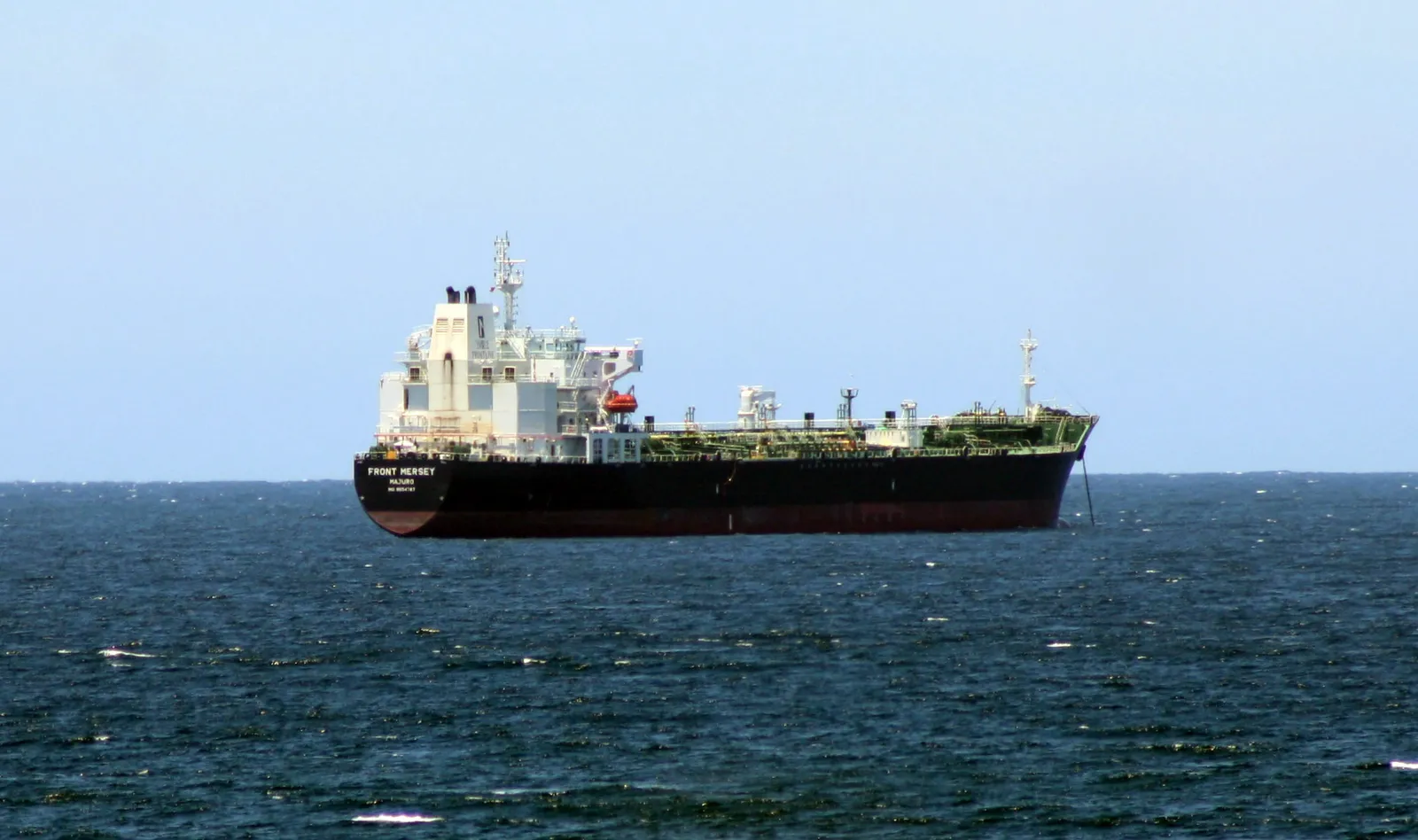
Cover photo: The tanker Front Mersey at anchor off South Africa, December 2014. Illustrative photo; this ship is not linked to the problems in this story. Photo: Bob Adams/Wikimedia Commons, CC BY-SA 2.0.
Sources: IMO: Secretary-General calls on States to enforce maritime rules in the Strait of Hormuz (11 Nov 2026), IMO: Data transparency for addressing fraudulent registries, fraudulent ship registration and other illicit practices, IMO: Legal Committee work on fraudulent registration of ships and fraudulent operation of registries, IMO GISIS: Ship and Company Particulars (public module), ILO: Guidelines on how to deal with seafarer abandonment cases (2024), gCaptain: IMO Chief Calls for Strict Enforcement of SOLAS Rules in Strait of Hormuz (11 Nov 2026), Ship & Bunker: IMO Urges Member States to Crack Down on False-Flag Ships in Strait of Hormuz (Nov 2026), Seatrade Maritime News: Four injured on Sinokor VLCC as multiple tankers attacked in Hormuz (12 Nov 2026).
How we choose, write and correct our articles: editorial policy.