India's maritime administration has proposed new short courses on ships that use methanol, ammonia or hydrogen as fuel. On 16 November 2026 it put three draft circulars on its website. Training institutes, companies and seafarers can send comments until 30 November 2026.
The courses would be voluntary. They would not replace any certificate that you need by law. The administration is the DGMA (Directorate General of Maritime Administration) in Mumbai, which was called DG Shipping before.
Why the courses are planned
More new ships are built to burn methanol, ammonia or hydrogen instead of oil. These fuels can be toxic, they can burn or explode, and some are kept very cold or under pressure. Crews need to know how to handle them and what to do in a leak or fire.
Today, crews on gas-fuelled ships need training under the IGF Code. The IGF Code is the IMO safety code for ships that use gas or other fuels that catch fire easily. In India, the rules for this training are in DGS Circular No. 11 of 2025. The drafts say these rules stay the same.
In 2025 and 2026, the IMO published interim (temporary) training guidelines for crews on ships using new fuels. Two of them, from 6 July 2026, cover methanol and ammonia. The Indian drafts are based on these IMO guidelines.
The basic course: one course for three fuels
It covers methanol, ammonia and hydrogen together. There are no separate certificates for each fuel.
It takes two days, with 14 hours of training.
It is for seafarers and other staff who may work on, run, manage or inspect ships using these fuels. Holders of a Basic IGF certificate or a gas tanker certificate are encouraged to join.
It teaches the dangers of each fuel, gas detection, ventilation and emergency shutdown. It also covers bunkering (taking fuel on board), and what to do in a leak or fire.
You must attend every session. There is a test at the end, and the suggested pass mark is 60%. If you fail, you can take the test once more in a later course.
At most 24 people can join one course.
The certificate from this course would say clearly that it is only a familiarisation course. It is not a certificate of proficiency under STCW. It does not let you take duties with the fuel system that need an IGF certificate.
The advanced courses: one for methanol, one for ammonia
There would also be two advanced courses: one for methanol and one for ammonia. Each takes three days, with 18 hours of training. They are a bridge for people who already have advanced IGF training. You would not need to repeat the whole advanced IGF course.
To join an advanced course, the drafts say you need:
a valid Advanced IGF certificate of proficiency, or an Advanced IGF course certificate from an institute approved by the DGMA;
a valid certificate of competency (CoC) for your rank, where one is needed;
basic training for IGF ships, where the rules ask for it, and your STCW basic safety training;
for the methanol course, also the new basic course on methanol, ammonia and hydrogen.
First, the institute checks what you already know. Then it teaches and tests what is missing. If you pass, you get a document that you show together with your Advanced IGF certificate. It is not a new STCW certificate, and it does not extend your old one.
Only training institutes already approved for IGF courses could run these courses. Each would need a separate approval from the DGMA.
What it means for crews
Nothing changes yet. These are drafts. The final rules may be different.
If you work on gas-fuelled ships, your IGF certificates are still what the law asks for. Keep them valid.
If you hope to join a methanol or ammonia ship, these courses may help you learn the risks before you go. But the company must still give you ship-specific training on board.
Be careful with institutes that sell these courses as a required or official STCW certificate. The drafts say institutes must not advertise them that way.
You can send your comments by email to praveen.nair@gov.in until 30 November 2026. The DGMA asks you to write "inputs on the draft Circular guidelines for basic/advanced training on alternative fuels" in the subject line.
Crewboard has written about what crews learned on the first methanol-fuelled ships and how to get an IGF certificate in Canada. Official certificate checks and help lines are on our useful links page for seafarers.
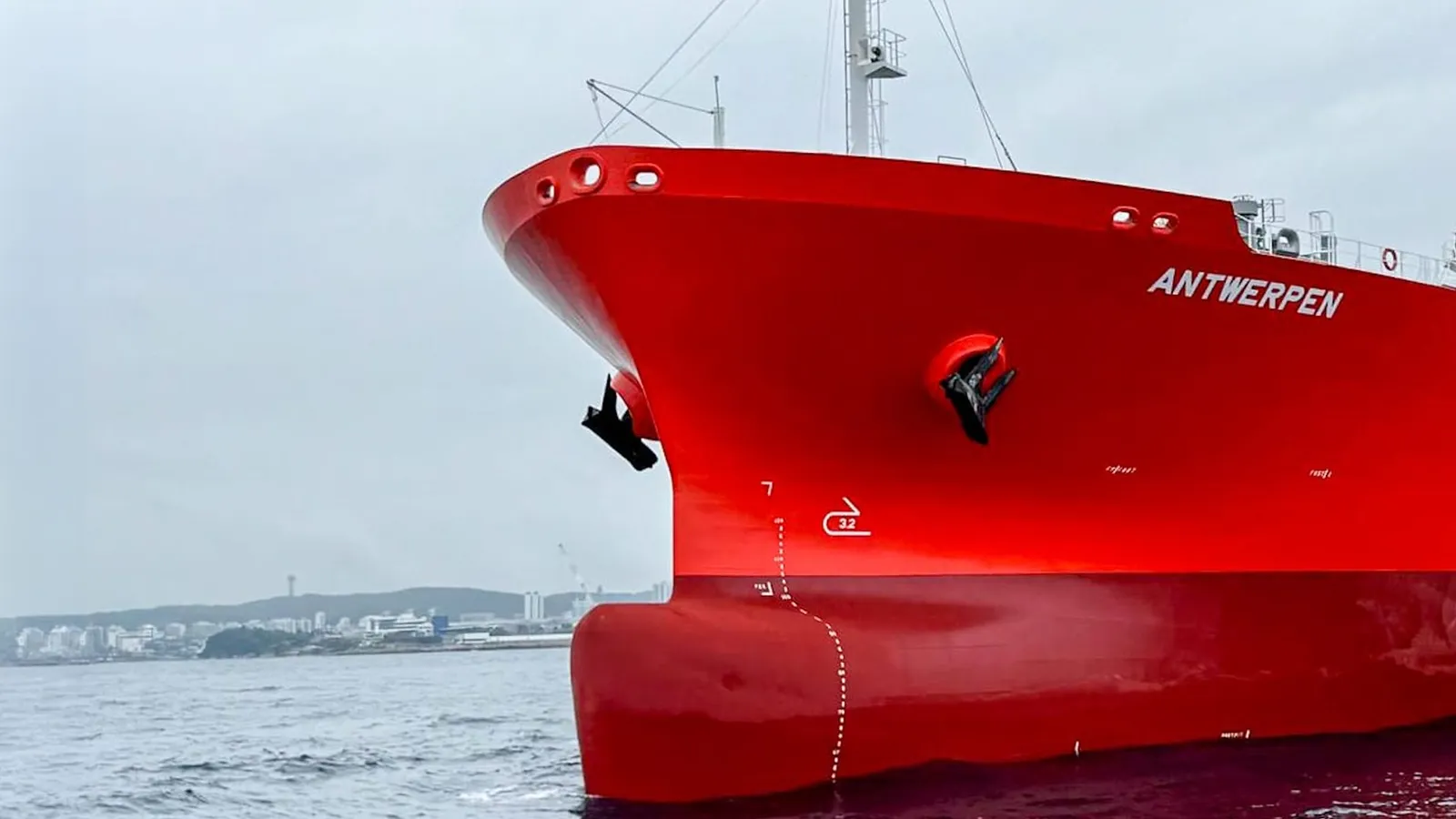
Cover photo: The bow of the gas tanker Antwerpen, which was built to use ammonia as its fuel. The photo is illustrative and was cropped. Photo: EXMAR, published by the International Maritime Organization/Wikimedia Commons, CC BY 4.0.
How we choose, write and correct our articles: editorial policy.