India has changed a rule about how many crewing agencies may send Indian seafarers to the same ship. Until now, the limit was two agencies per ship. From now on, it is three. For cruise ships and passenger ships, there is no limit.
The change is in DGMA Order No. 26 of 2026, dated 26 October 2026. The DGMA is the Directorate General of Maritime Administration, India's maritime authority. It used to be called the Directorate General of Shipping. The order was put on its website on 27 October.
What the old rule said
In May 2026, the DGMA issued Order No. 08 of 2026. Its aim is to stop the abandonment of Indian seafarers on foreign-flag ships. Abandonment means that a shipowner leaves the crew without wages, food or a way home.
Order 08 named 366 ships. Indian crewing agencies may not place Indian seafarers on 278 "restricted" ships. Another 88 ships are "blacklisted" because they were involved in abandonment more than once.
Order 08 also said that no more than two agencies may place seafarers on any one ship. In India, a crewing agency needs an RPSL, a Recruitment and Placement Services Licence. The DGMA order says that many agencies on one ship was one of the problems in abandonment cases.
What changes now
For most ships, Indian or foreign flag, up to three licensed RPSL agencies may now place seafarers on one ship.
For cruise ships and passenger ships, there is no limit on the number of agencies.
All other parts of Order 08 stay the same.
The DGMA says many agencies asked for this change because of practical problems. Cruise ships need many different kinds of crew to serve passengers. One agency cannot supply all of them, so several agencies often supply crew to the same cruise ship.
The DGMA also says there have been very few abandonment cases on cruise and passenger ships.
What stays the same
The main protections of Order 08 still apply. Agencies may not place Indian seafarers on the restricted or blacklisted ships. They also may not use ships listed in the ILO/IMO database of abandoned seafarers without DGMA approval. The ILO is the International Labour Organization.
A ship stays on the list under its IMO number, even if its name changes. Agencies that break the rules can lose their licence or be blacklisted.
What to do before you sign
Check that your agency has a valid RPSL. The DGMA publishes a list of valid, invalid and suspended RPSL agencies.
Ask for the ship's name and IMO number before you sign. Check that the ship in your contract is the ship you will join.
Search the IMO number in the ILO/IMO abandonment database. If the ship is listed, ask the agency for the DGMA approval.
Never pay an agency to get a job on a ship. Under the MLC, the Maritime Labour Convention, seafarers should not pay for recruitment or placement.
Keep copies of your contract and your agency's details. Your family should have them too.
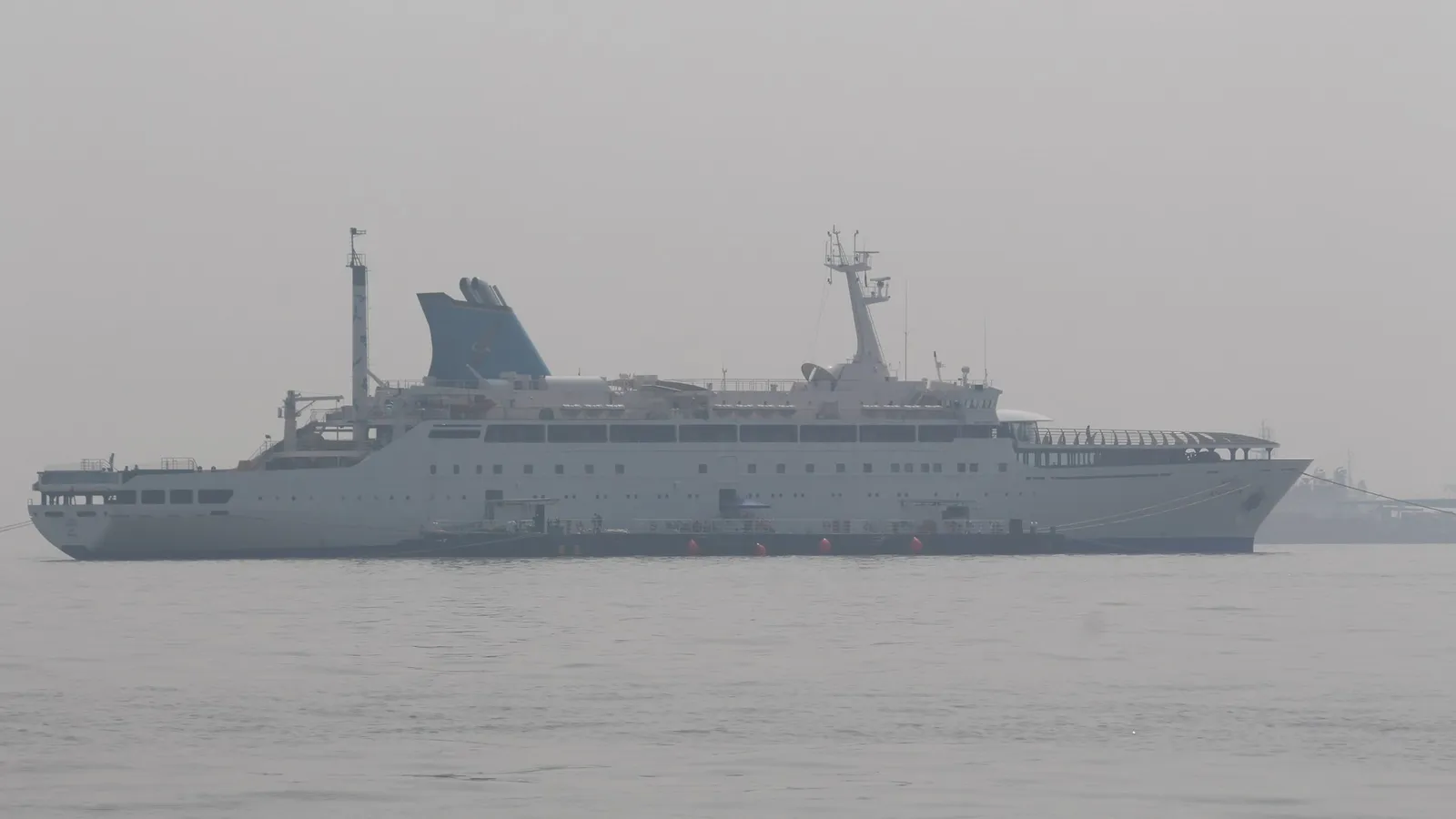
Cover photo: The domestic cruise ship Angriya in hazy weather off the Domestic Cruise Terminal in Mumbai. Illustrative photo. Photo: Pratishkhedekar/Wikimedia Commons, CC BY-SA 4.0 (cropped).
Sources: DGMA Order No. 26 of 2026: Preventive Measures to Reduce Abandonment of Indian Seafarers on Board Foreign-Flag Vessels, addendum to Order No. 08 of 2026 (26 Oct 2026), DGS Order No. 08 of 2026: Preventive Measures to Reduce Abandonment of Indian Seafarers on Board Foreign-Flag Vessels (14 May 2026), DGMA Crew Division: DGMA Orders (list with issue dates), DGMA: List of valid, invalid and temporarily suspended RPSL, ILO/IMO Joint Database on Abandonment of Seafarers.
How we choose, write and correct our articles: editorial policy.