Ice on deck, heavy gear and money problems sank a small fishing boat in Alaska, USA. All five men on board died. The US National Transportation Safety Board (NTSB) explains why in a report published on 4 November 2026. The NTSB is the US agency that investigates serious transport accidents.
The boat was the Wind Walker, a 15-metre (50-foot) steel fishing boat built in 1982. It capsized in the Icy Strait, near Juneau, a few minutes after midnight on 1 December 2024. To capsize means the boat rolls over in the water.
What happened
The boat was built to catch salmon with nets. For the winter it was changed for longline fishing. The crew added an aluminium shed over the back deck, a walkway and fishing equipment. Together this weighed about 4.5 tonnes, the NTSB estimates.
On 30 November 2024 the crew loaded ice into the fish hold. The captain also asked for about 2.6 tonnes of ice in totes and bags on top of the shed. That is about 2.4 metres above the main deck. Other fishermen told investigators this was unusual.
A winter storm warning was in force for the route. Heavy snow, strong winds, 2-metre waves and freezing spray were forecast.
The boat left Auke Bay at 19:34 local time. On the night, winds reached 42 knots, with gusts of 53 knots. The air was about minus 6 °C, and the water about 5 °C.
At 00:08 the captain sent four mayday calls by VHF radio. He said the boat had rolled over on its side and was flooding. He said the crew was trying to launch the liferaft.
Two minutes later the boat's EPIRB sent its alarm. An EPIRB is a distress beacon that sends the ship's position to rescuers by satellite.
The Coast Guard searched for 34 hours with helicopters and ships. It found the EPIRB and seven empty immersion suits. An immersion suit is a warm, floating survival suit for cold water. The liferaft was never found.
The bodies of the captain and one deckhand were found nine days later. They died of cold and drowning. Three crew members are still missing.
What went wrong
The NTSB says the boat lost its stability. Stability is a boat's ability to come back upright after wind or a wave pushes it over. The NTSB could not find one single cause. It lists several possible ones:
The changes for longline fishing added weight high on the boat.
The ice on top of the shed added even more weight high up. Weight high up makes a boat roll over more easily.
Freezing spray could have built up ice on the boat.
Water could have come in through the hull. The hull had thin, rusty steel with holes. These were fixed only with steel patches and epoxy glue, not properly repaired.
Gear or ice could have moved on board.
The steering system could have failed. A former crew member remembered problems with it.
The boat had no stability booklet. A stability booklet tells the captain how much weight the boat can carry, and where. The rules did not require one for this older, small boat. The captain also had no formal stability training. So he had no clear way to judge the risk of the extra ice, the NTSB says.
Money problems pushed the captain to sail. The NTSB says he had big debts and could not pay for proper repairs. He paid his crew a low share, and some crew had not been paid. Many crew left, so the crew was new. The deckhands had about one month on the boat. The deck boss had five months in fishing in total. The fishing traps also had to be collected within five days, or the boat could be fined.
Why the crew could not survive
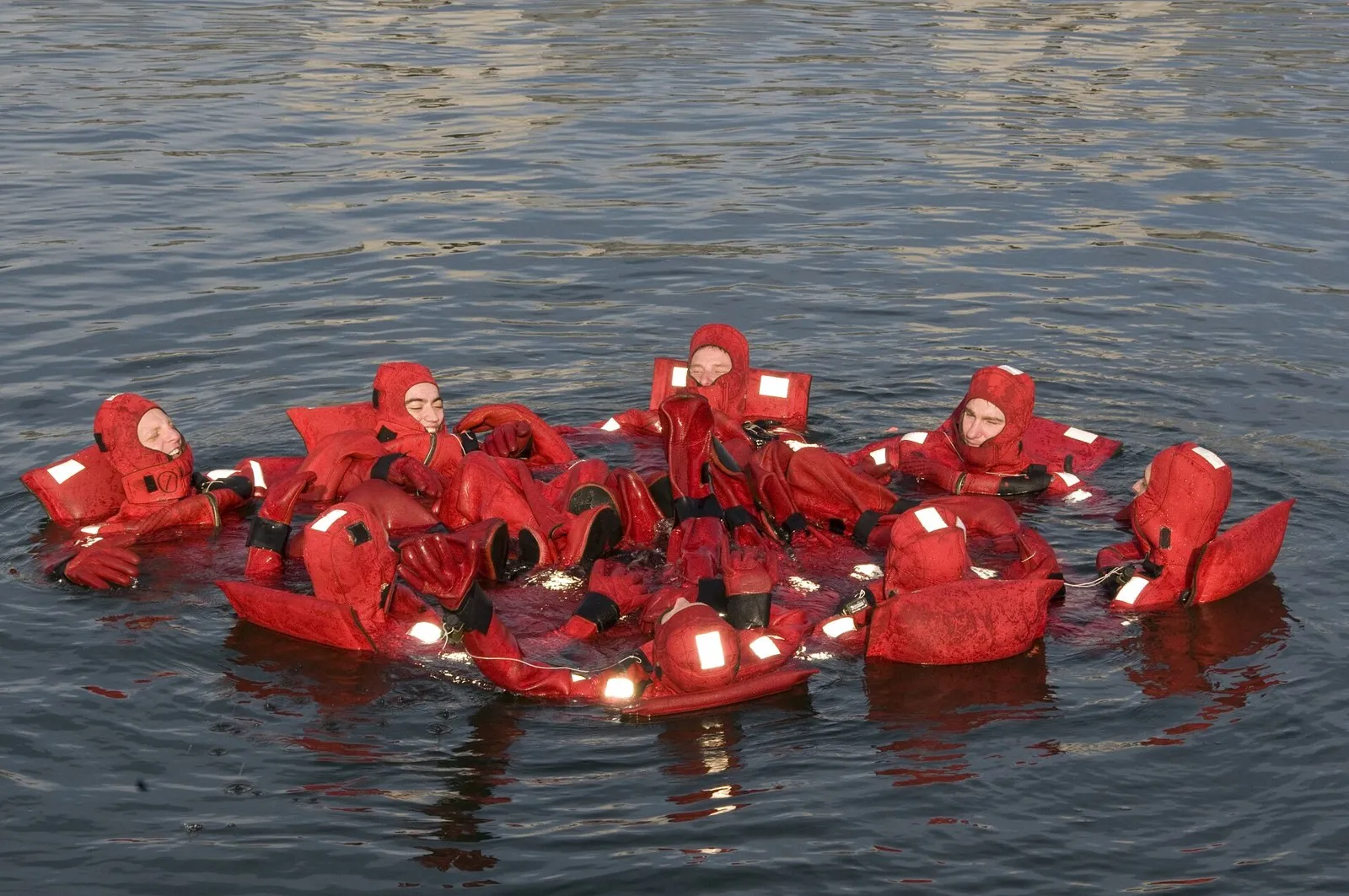
The crew tried to leave the boat. Someone switched on the EPIRB by hand, and a strobe light on one suit was on. But nobody managed to put on an immersion suit. In water this cold, a person without a suit can lose the ability to help themselves within about four hours, the NTSB says. Some models give much less, from about one to two hours. Cold shock can kill within minutes.
The crew had no personal locator beacons. A personal locator beacon (PLB) is a small distress beacon that one person carries. It sends that person's own position to rescuers. Such beacons are not required. But with them, the crew's chances would have been better, the NTSB says.
What it means for crews
These lessons come from a small fishing boat. Most of them fit any vessel that works in cold water or in bad weather.
Know your vessel's stability limits. Ask to see the stability booklet or loading instructions. If the vessel has been changed, ask if a naval architect has checked its stability again.
Do not put heavy loads high up, such as ice, pots or gear on top of a shelter or wheelhouse.
In freezing spray, check for ice often and remove it. Ice can add a lot of weight in a few hours.
Read the weather forecast for the whole route, not only for the fishing grounds or the next port.
Know where your immersion suit is. Practise putting it on fast, also in the dark.
Practise abandon ship drills with the whole crew, especially with new crew members.
Carry a personal locator beacon or a satellite messenger on your lifejacket or suit, and register it. The NTSB advises owners to give one to each crew member.
Before you join a boat, ask if the crew is paid on time and if repairs are done properly. Unpaid crew and patched hulls are warning signs.
You have the right to speak up. If you think it is not safe to sail, tell the captain clearly.
Fishing boats are dangerous in winter. Another fishing boat with seven men is missing off Taean in South Korea. If you look for deck work, check deck hand vacancies on Crewboard and ask questions about the vessel before you sign. For help lines and safety contacts, see our useful links for seafarers.
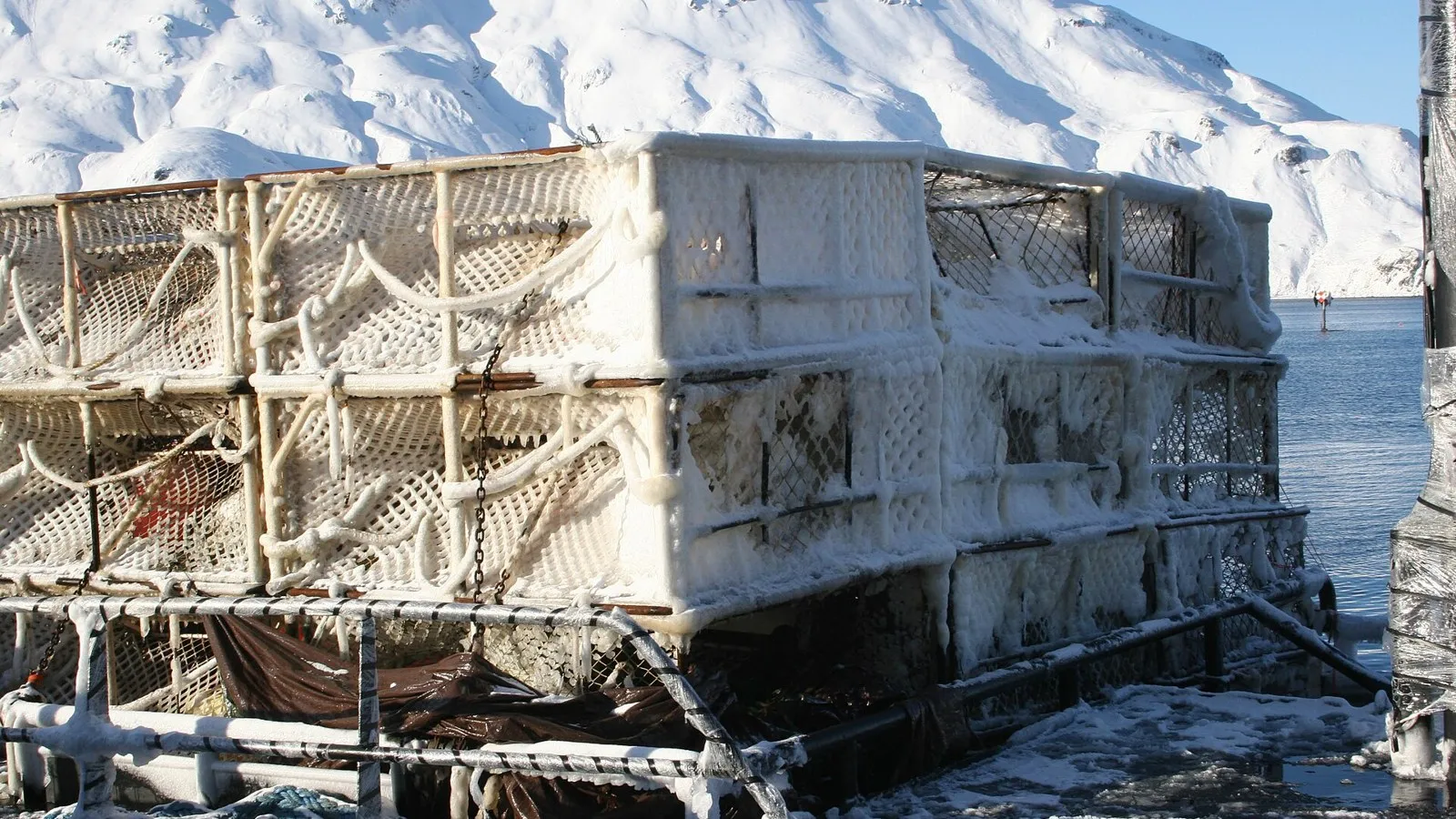
Cover photo: Thick ice covers fishing pots on the deck of a fishing vessel in cold Alaska waters. Illustrative photo, not the Wind Walker. Photo: National Institute for Occupational Safety and Health (NIOSH) via Wikimedia Commons, public domain (cropped).
How we choose, write and correct our articles: editorial policy.