India has made new rules for entering enclosed spaces on ships. Enclosed spaces are places like cargo holds, tanks, void spaces and cofferdams. They can have too little oxygen, or toxic or flammable gas. The rules are in Merchant Shipping Notice No. 09 of 2026 from the Directorate General of Maritime Administration (DGMA), dated 23 November 2026.
The notice applies to Indian-flag ships. It also applies to foreign-flag ships while they operate in Indian waters, and to their owners and managers. It makes the IMO's revised recommendations, Resolution MSC.581(110) from June 2025, mandatory in these cases.
The main rules
Every space is hazardous until it is proved safe.
No one may open or enter an enclosed space without permission from the Master or a nominated responsible person.
A competent person must assess the hazards before entry. This includes the last and current cargo and the Safety Data Sheets.
Where there is a risk to health or life, entry needs a permit. A permit is valid for no more than eight hours.
No one may enter an enclosed space alone.
Each ship must keep an Enclosed Space Register on board and ashore. It lists the spaces, their hazards and the controls.
A dated plan of safe and unsafe spaces must be shown at the gangway or other access points.
Companies must give enough time to plan an entry. They must avoid putting crews under time pressure.
Testing the air
Trained people must test the air with calibrated meters before entry and during the work. They must take samples at different levels, because gases can collect in layers. A space is safe only when steady readings show all of these:
oxygen at 20.9%;
carbon dioxide (CO2) below 0.5%, which is 5,000 ppm (parts per million);
flammable gas below 1% of the lower flammable limit (LFL), the lowest level at which the gas can burn;
toxic vapours below 50% of the occupational exposure limit (OEL), the safe limit for workers.
People who go in must wear personal gas meters. If the ventilation stops or the readings get worse, everyone must leave at once.
Bulk cargoes and Australian ladders
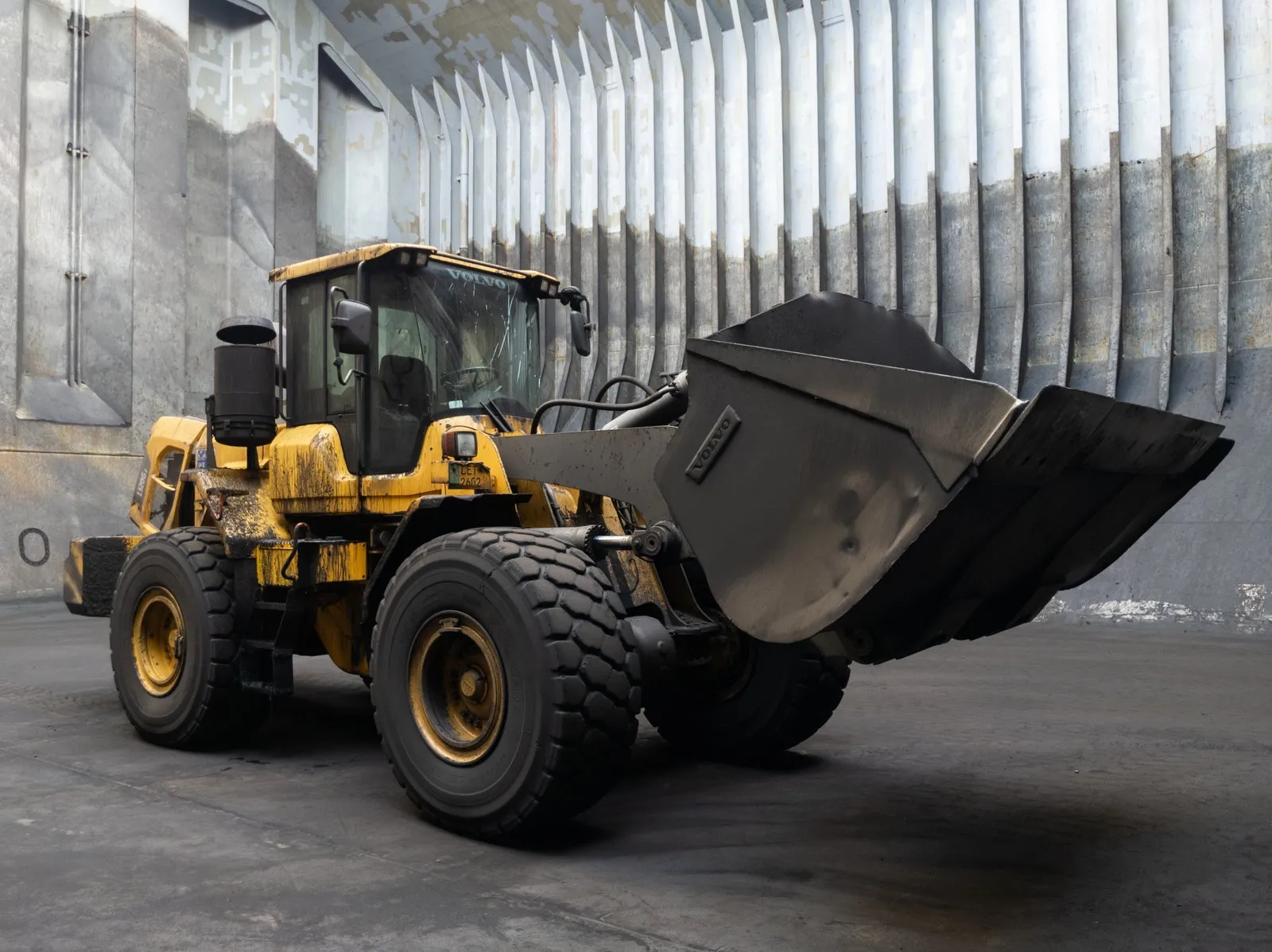
Ships with organic solid cargoes in bulk must carry meters that measure carbon dioxide. These cargoes can use up oxygen and give off CO2. Crews must test for CO2 before entry and often afterwards.
An Australian ladder is a ladder inside an enclosed trunk that leads down into a cargo hold. It must not be used until the trunk is ventilated, tested and confirmed safe. With dangerous cargoes, its door or hatch needs its own special lock. The lock stays from the start of loading until the hold is safe after discharge.
Breathing apparatus and rescue
In a known or suspected unsafe atmosphere, only specially trained people may enter, with positive-pressure breathing apparatus.
Filter masks and canister masks must not be used in an unsafe atmosphere.
Emergency Escape Breathing Devices (EEBDs) are only for escape. They must not be used to enter a space.
Each ship must have an enclosed space rescue plan and practise it in drills.
No one may try a quick rescue on their own. Rescues must be calm, planned and safe for the rescuers.
Sometimes people work in several holds at once. If an emergency happens in one, everyone in the other holds must stop work and leave.
What it means for crews
Never go into a tank, hold or void space without a permit and a gas test, even for a quick look.
If a person collapses inside, do not go in after them without breathing apparatus. Raise the alarm and start the rescue plan.
Check that your personal gas meter is calibrated and switched on before you enter.
If you feel rushed, say so. The notice tells companies to avoid time pressure on entries.
Officers on Indian ships, or ships in Indian waters, should check the Enclosed Space Register. The gangway plan must also be up to date.
Company audits, superintendents and surveys will check these rules, the notice says.
Read our report on the toxic gas deaths in a void space on a Chinese cargo ship. One of the dead was a trainee who went in to help. An InterManager survey counted 354 enclosed space accidents in 30 years. You can also see current Chief Officer vacancies on Crewboard.
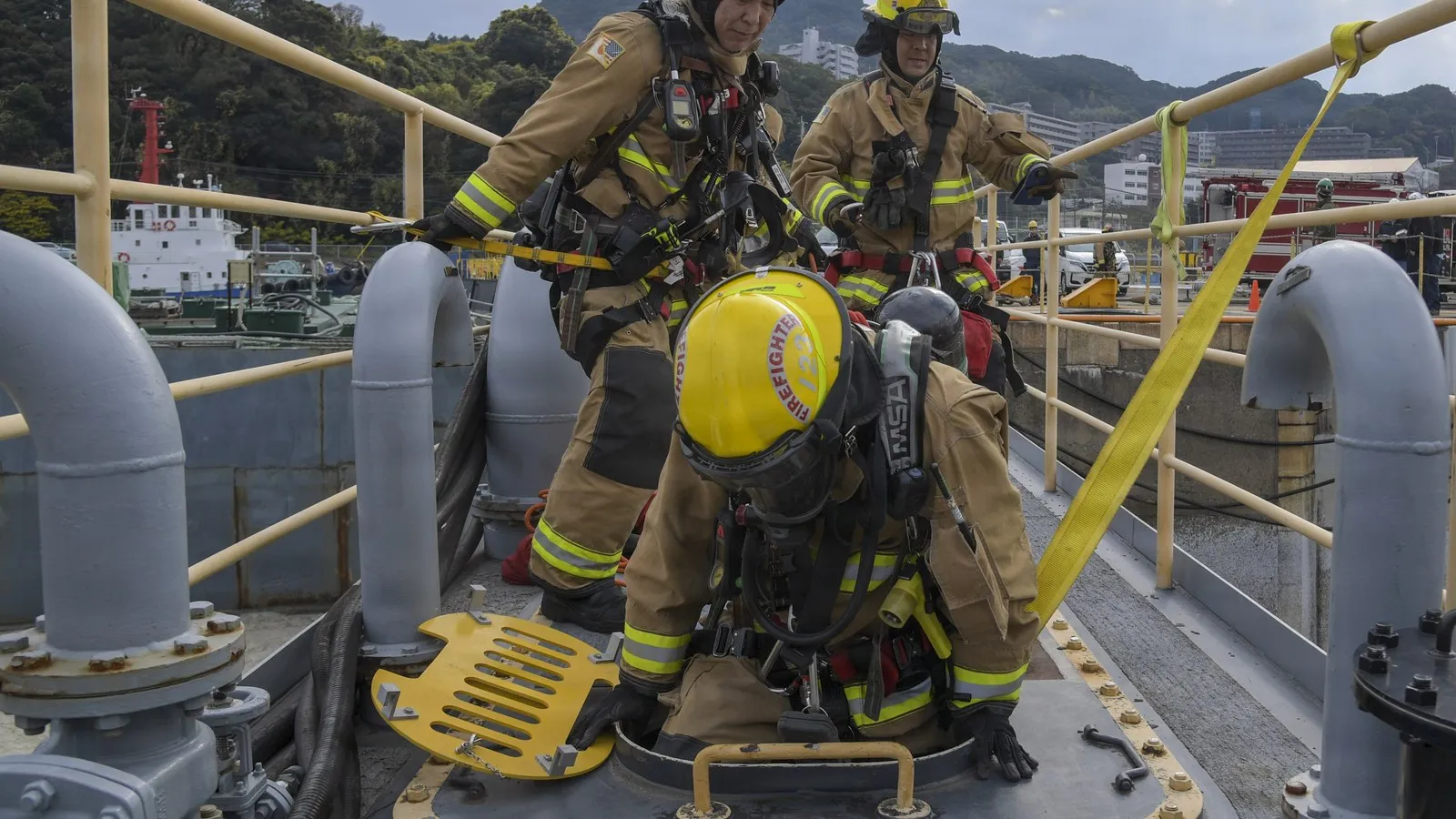
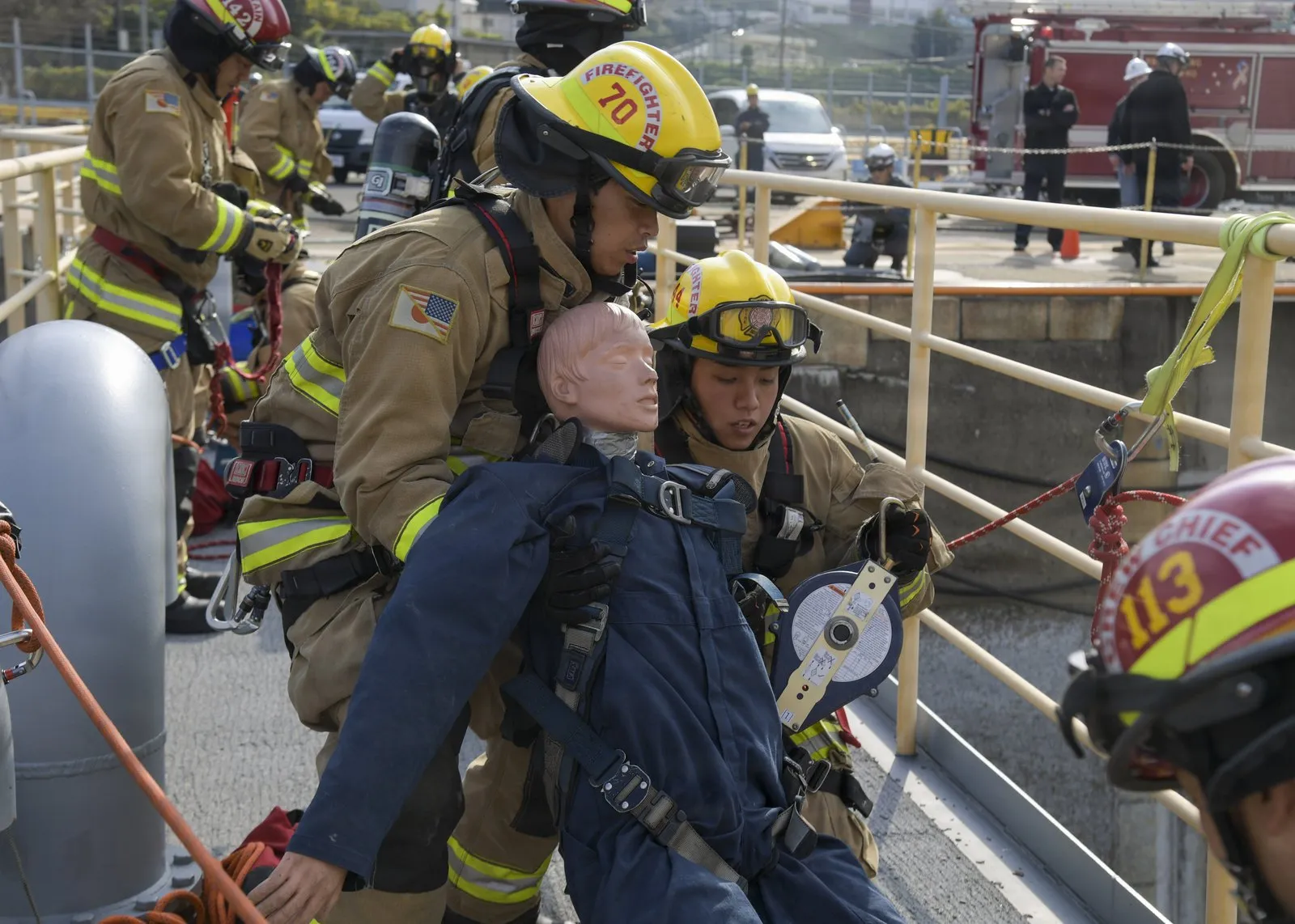
Cover photo: A firefighter climbs into a tank hatch with a lifeline. This was a confined space rescue drill in Sasebo, Japan, December 2025. Illustrative photo. Photo: Raquell Williams/U.S. Navy via Wikimedia Commons, public domain (cropped).
Sources: DGMA Merchant Shipping Notice No. 09 of 2026: Implementation of Revised Recommendations for Entering Enclosed Spaces Aboard Ships (Resolution MSC.581(110)), 23 Nov 2026, DGMA website: MS Notices list (MS Notice 09 of 2026).
How we choose, write and correct our articles: editorial policy.