A Filipino pumpman died on the Greek-flagged tanker Atlantic off Dakar, Senegal. He died during tank purging work, TradeWinds reported on 25 November 2026. Another Filipino crew member is in hospital in serious condition. The Greek master is also in hospital, Greek news site Mononews reported.
The Atlantic is a suezmax tanker. A suezmax is a large tanker that can pass the Suez Canal fully loaded. The ship belongs to Nereus Shipping of Greece. The company has 14 ships.
What we know
The accident happened on 21 November, off Dakar, Mononews reported.
Mononews says gas leaked in the cargo tanks. Its sources in the shipping community blame human error.
The pumpman died. A pumpman looks after the cargo pumps and pipelines on a tanker.
A second Filipino seafarer was taken to hospital in a bad condition.
The master was also taken to hospital.
On 24 November, the Greek Shipping Ministry had not yet made a statement.
The company and the authorities have not explained the cause yet. The name of the pumpman has not been published. We will update this post if an official report comes out.
What is tank purging?
After a tanker discharges crude oil, the empty tanks are still full of oil gas. Purging means pushing this gas out with inert gas. Inert gas has almost no oxygen, so it cannot burn. After purging, the crew can bring fresh air into the tank. This is called gas freeing.
During this work, the air on deck and near openings can be deadly. Oil gas can contain hydrogen sulphide (H2S) and benzene. Inert gas has so little oxygen that a few breaths can make a person collapse. Gas often comes out of vents, ullage ports and open hatches.
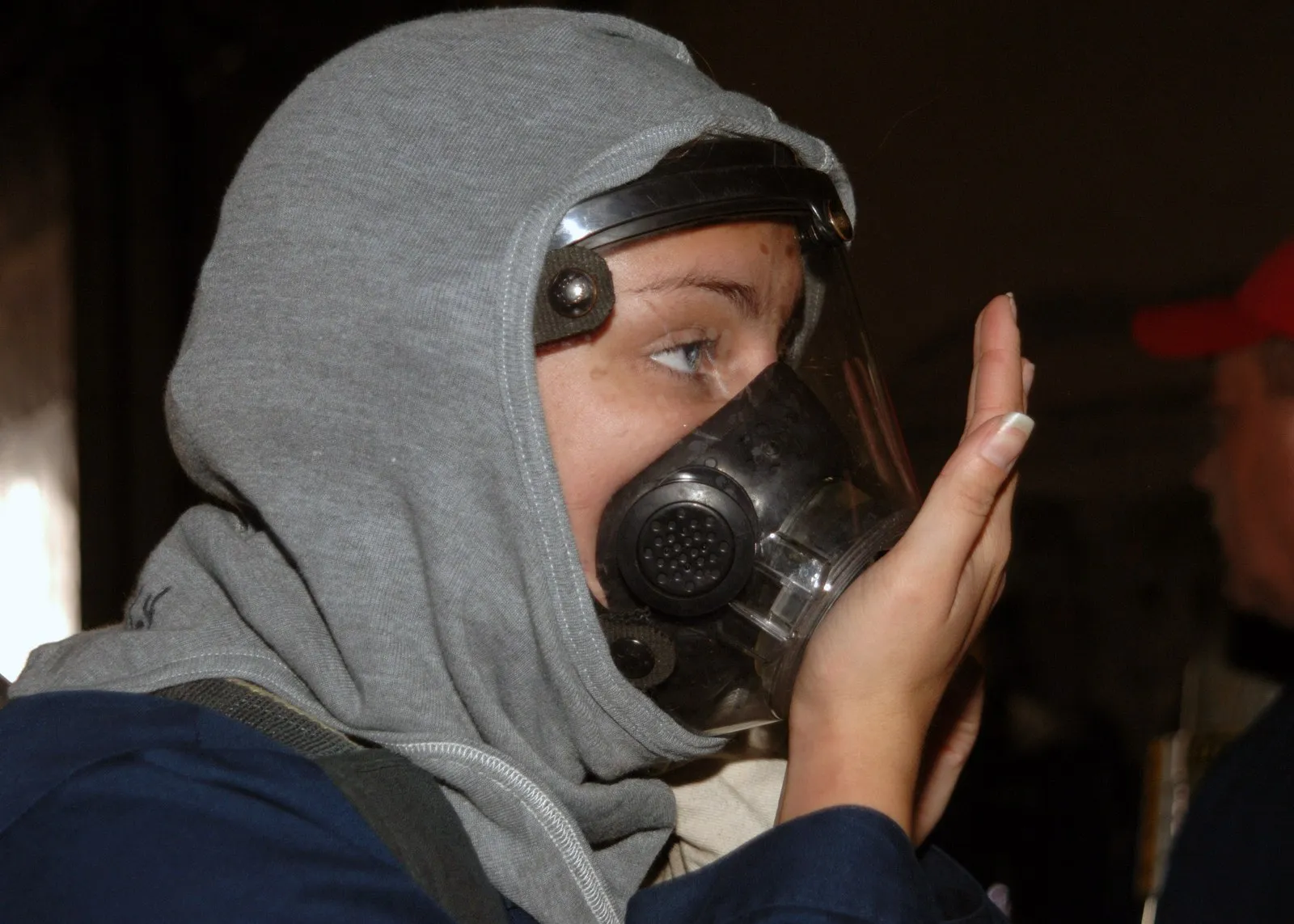
How to stay safe during purging and gas freeing
Ask for a toolbox meeting before you start. Everyone must know the plan, the tanks and who is in charge.
Carry a personal gas detector. It should show oxygen, flammable gas, H2S and carbon monoxide. Check that it works before every job.
Stand upwind of vents, ullage ports and open hatches. Gas is heavier than air, so it collects in low places on deck.
Never put your head into a tank opening to look or smell. Use a sampling tube and a meter.
Never enter a tank or pump room without a permit, fresh gas readings and a standby person at the entrance.
If someone falls down near a tank, do not run in to help without breathing apparatus. Raise the alarm first. Many people die trying to save a friend.
Practise rescue drills with breathing apparatus and a stretcher. Know where the escape sets are.
If you feel dizzy, sick or get a headache, stop work and go to fresh air at once. Tell the officer on watch.
You have the right to stop work if it is not safe. Report it to the master and the company.
Read also: India makes the IMO enclosed space rules mandatory, toxic gas H2S kills seafarers outside enclosed spaces too, and three people die from toxic gas in a void space on a Chinese ship.
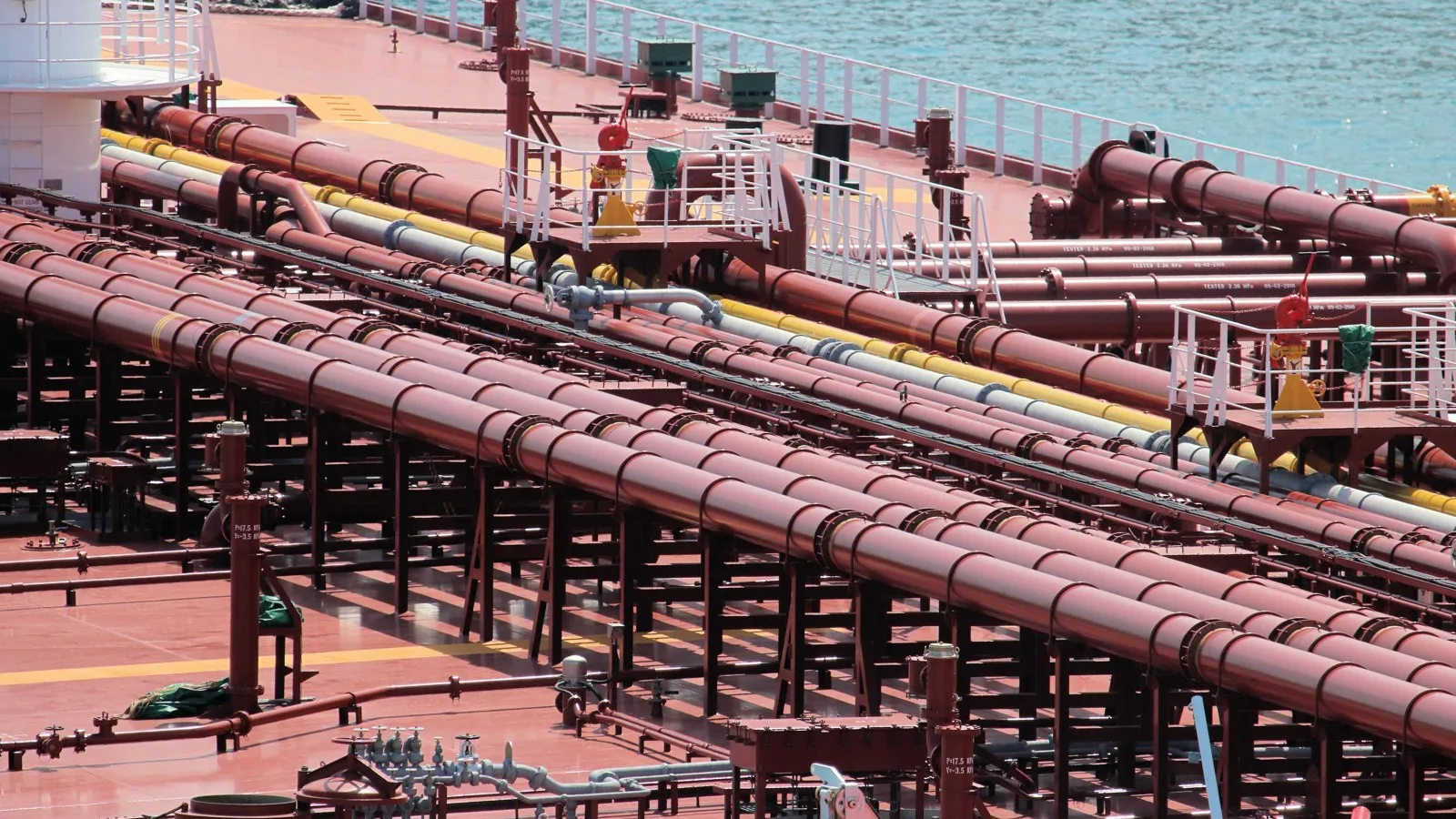
Cover photo: pipelines on the deck of the tanker Sperchios. Illustrative photo, not the Atlantic. Photo: Paul Harrison/Wikimedia Commons, CC BY-SA 4.0 (cropped).
Sources: TradeWinds: Seafarer dies on Greek-managed tanker off Senegal (25 Nov 2026), Mononews: Accident on Nereus Shipping's Atlantic, seafarer dead, Greek master in hospital (24 Nov 2026, in Greek), Greece 247: Accident on Nereus Shipping's Atlantic (24 Nov 2026, in Greek), Nereus Shipping: Atlantic vessel page.
How we choose, write and correct our articles: editorial policy.