A Chinese seafarer in his 20s has died after he collapsed in a cargo hold of a ship off Gunsan, South Korea. The Gunsan Coast Guard suspects he breathed in methane gas. The gas may have been left in the hold from an earlier coal cargo.
The Korean news agency Yonhap and other Korean media reported the case on 29 October 2026, citing the Gunsan Coast Guard. The coast guard has not published the seafarer's name.
What happened
The coast guard got a report at about 4:11 pm local time on 28 October. A crew member had collapsed in a cargo hold. The ship was about 7 km southwest of Jikdo island, off Gunsan.
The ship is a coal carrier under the flag of Panama, with a size of 43,974 tons. It had 20 crew on board, according to the Segye Ilbo newspaper. The ship was empty and was not carrying coal at the time, according to NoCut News.
The seafarer was found in the hold without consciousness and without breathing. The coast guard sent a helicopter and a patrol ship. It asked the crew to give first aid, including CPR (chest compressions to restart the heart).
The helicopter arrived at about 5:09 pm. It could not land on the ship, so the crew lifted the seafarer up with a winch, as Pressian reported. An ambulance took him to a hospital on land, but he died.
The coast guard is talking to the master and the crew who were working at the scene. It wants to find out the exact cause. It is also checking whether methane gas can build up in that space.
Why an empty hold can still kill
A cargo hold is an enclosed space. This means a space with small openings and poor air flow, where the air can become dangerous. An empty hold can still hold gas from earlier cargo.
Coal can give off methane gas. The gas can take the place of oxygen in the air. Without enough oxygen, a person can collapse quickly. Sometimes a second person goes in to help and collapses too.
What crews can do
The IMO updated its recommendations for entering enclosed spaces.pdf) in June 2025 (resolution MSC.581(110)). Under SOLAS rules.pdf), crew who enter enclosed spaces or rescue people from them must do a drill at least once every two months. Simple rules that save lives:
Treat every hold, tank and closed space as dangerous until the air is tested. This includes empty holds.
Do not enter without a permit to work and the officer's approval.
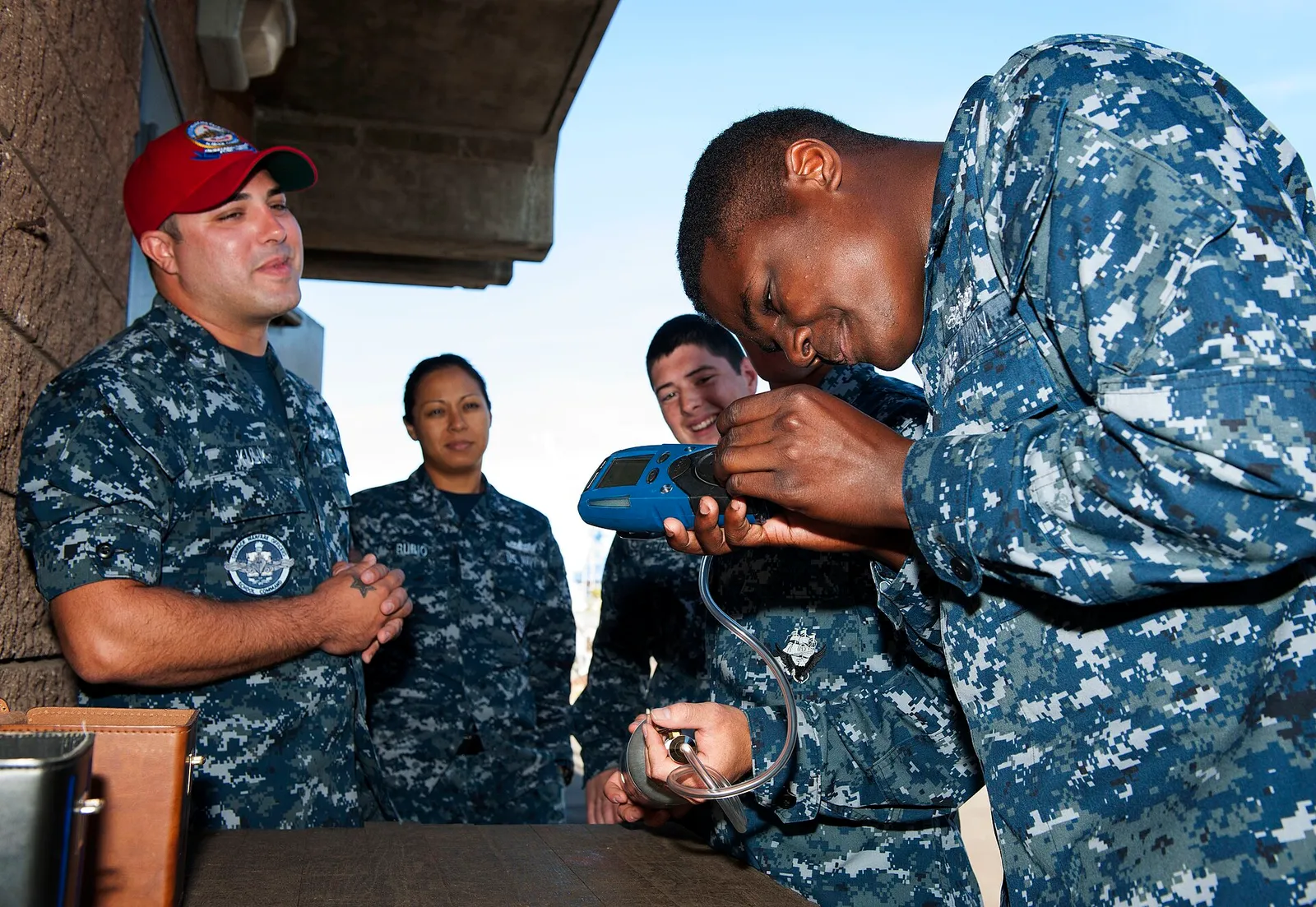
Ventilate the space first. Then test the air for oxygen, flammable gas such as methane, and toxic gas, at different levels.
Keep a person at the entrance who stays in contact with the person inside, and keep rescue and breathing equipment ready.
If someone collapses inside, do not go in to help without breathing apparatus. Raise the alarm and follow the ship's rescue plan.
Take part in the enclosed space drills, and ask for training if you are not sure how to use the gas detector.
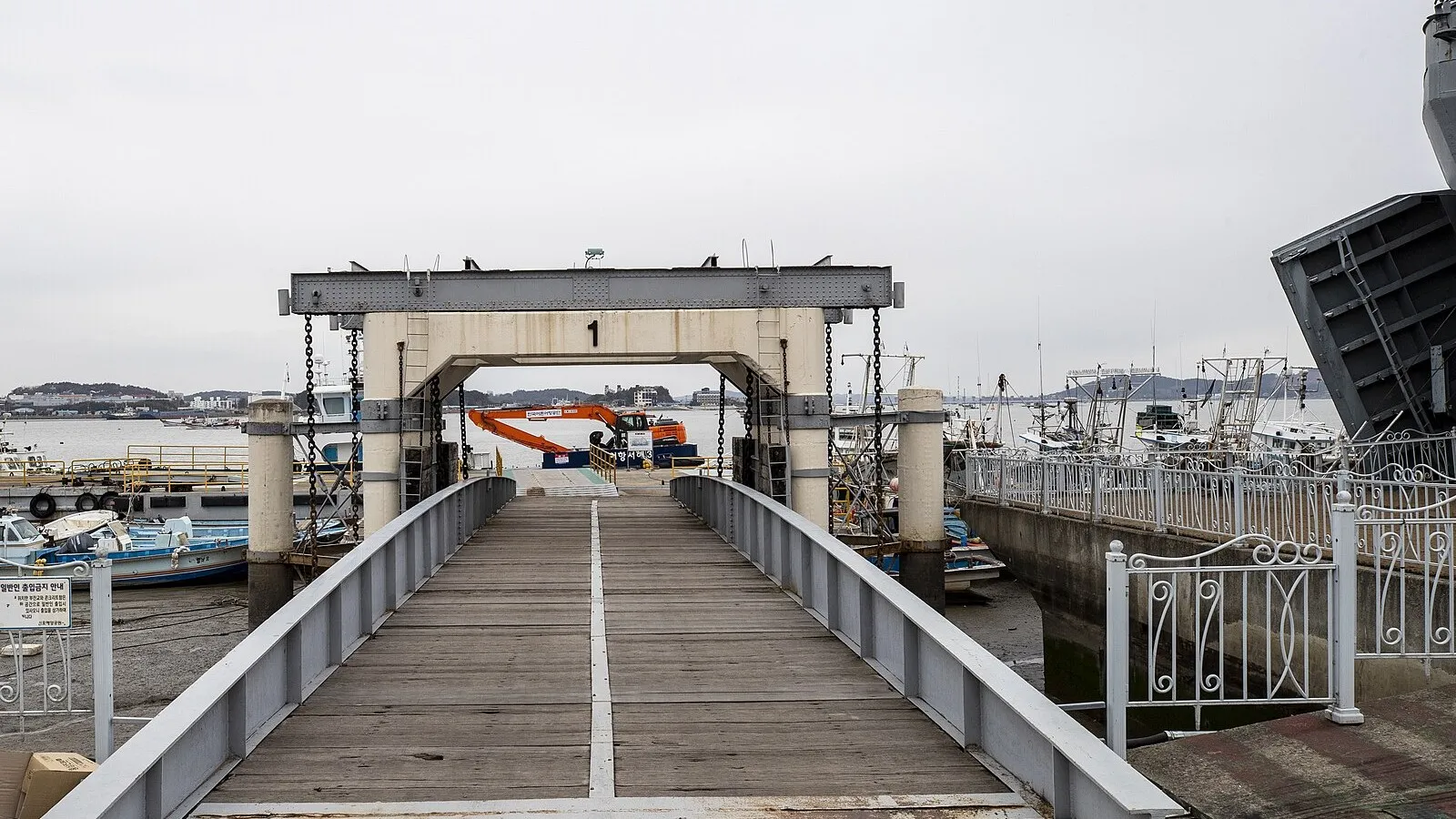
Cover photo: A pier at the port of Gunsan, South Korea, in January 2020. Illustrative photo, not the ship in this story. Photo: Korea Tourism Organization/Wikimedia Commons, KOGL Type 1 (cropped).
Sources: Yonhap, 29 Oct 2026: Chinese seafarer dies on a cargo ship off Gunsan, suspected gas suffocation (in Korean), Pressian, 29 Oct 2026: Chinese seafarer in his 20s dies on a cargo ship off Gunsan, suspected methane (in Korean), Segye Ilbo, 29 Oct 2026: Chinese seafarer in cardiac arrest on a coal carrier near Jikdo, Gunsan (in Korean), NoCut News, 29 Oct 2026: Crew member in 20s dies on coal carrier, suspected gas poisoning, IMO resolution MSC.581(110): Revised recommendations for entering enclosed spaces aboard ships, IMO resolution MSC.350(92): SOLAS amendments on enclosed space entry and rescue drills.
How we choose, write and correct our articles: editorial policy.