Three crew members were hurt when a boiler blew flames back at them on the bulk carrier Olivia. Two of them got serious burns to their faces and arms. The accident happened at South Port, Bluff, New Zealand, at about 02:55 on 24 May 2025.
New Zealand's Transport Accident Investigation Commission (TAIC) published its final report on 30 October 2026. TAIC investigates accidents to stop them from happening again. It does not decide who is to blame.
What happened
The Olivia is a bulk carrier of 20,928 gross tonnes, registered in Malta. Fleet Management Limited of Hong Kong was its technical manager. The ship arrived in Bluff on 23 April 2025 with main engine and generator problems.
Maritime New Zealand, the country's maritime authority, did not let the ship leave until the repairs were done. All three generators needed a big rebuild. The ship stayed in port for weeks. The engine crew worked in two 12-hour shifts, day and night.
On 23 May the boiler burner stopped working. The boiler made steam for the ship while the main engine was stopped. The engineers tried many times to light the burner again, but it did not start.
That night, the night shift third engineer phoned the chief engineer to ask for permission to clean soot from the boiler. The chief engineer was asleep after a long working day. TAIC says the call did not make clear what work was planned and what safety steps were needed.
Three crew members then cleaned the boiler: the third engineer, a motorman and a fitter. A motorman helps the engineers with daily engine room work. They used an air lance, a long tube that blows compressed air, to remove the soot.
As the motorman pulled the lance out, there was an explosion inside the boiler. This is called a blowback. Unburned fuel or gas in the furnace catches fire suddenly and pushes out flames and pressure.
The blast threw all three men backwards. The third engineer and the motorman had serious burns. The fitter had a bruised shoulder. All three could walk out of the engine room. They went to hospital by ambulance, and the two burned men were later sent home for more treatment.
What went wrong
TAIC found three things together in the furnace: air, fuel and heat. The many failed restarts left unburned fuel inside. The air lance and the engine room air brought in oxygen. The furnace was still hot, because the bricks at the bottom keep heat for a long time.
The crew waited for the boiler to cool, but no one measured the temperature. TAIC says the motorman likely moved hot soot, and this lit the fuel left inside.
No face protection. The three men wore coveralls, safety shoes and gloves. They did not wear face or eye protection. TAIC says the burns would very likely have been less serious with face protection.
Safety steps were skipped. The company's safety system had rules for unplanned work and for boiler cleaning. They included a toolbox meeting, a job hazard check and a permit to work. They also said to check that the boiler was cool and isolated. These steps were not used, because the crew saw boiler cleaning as normal, low-risk work.
Tired senior engineers. Most engineers were busy with the generator repairs in the daytime. TAIC says the senior engineers were very likely tired, and this affected their decisions.
A small night team. The night shift had fewer people. It could not plan and supervise a job that had become more dangerous.
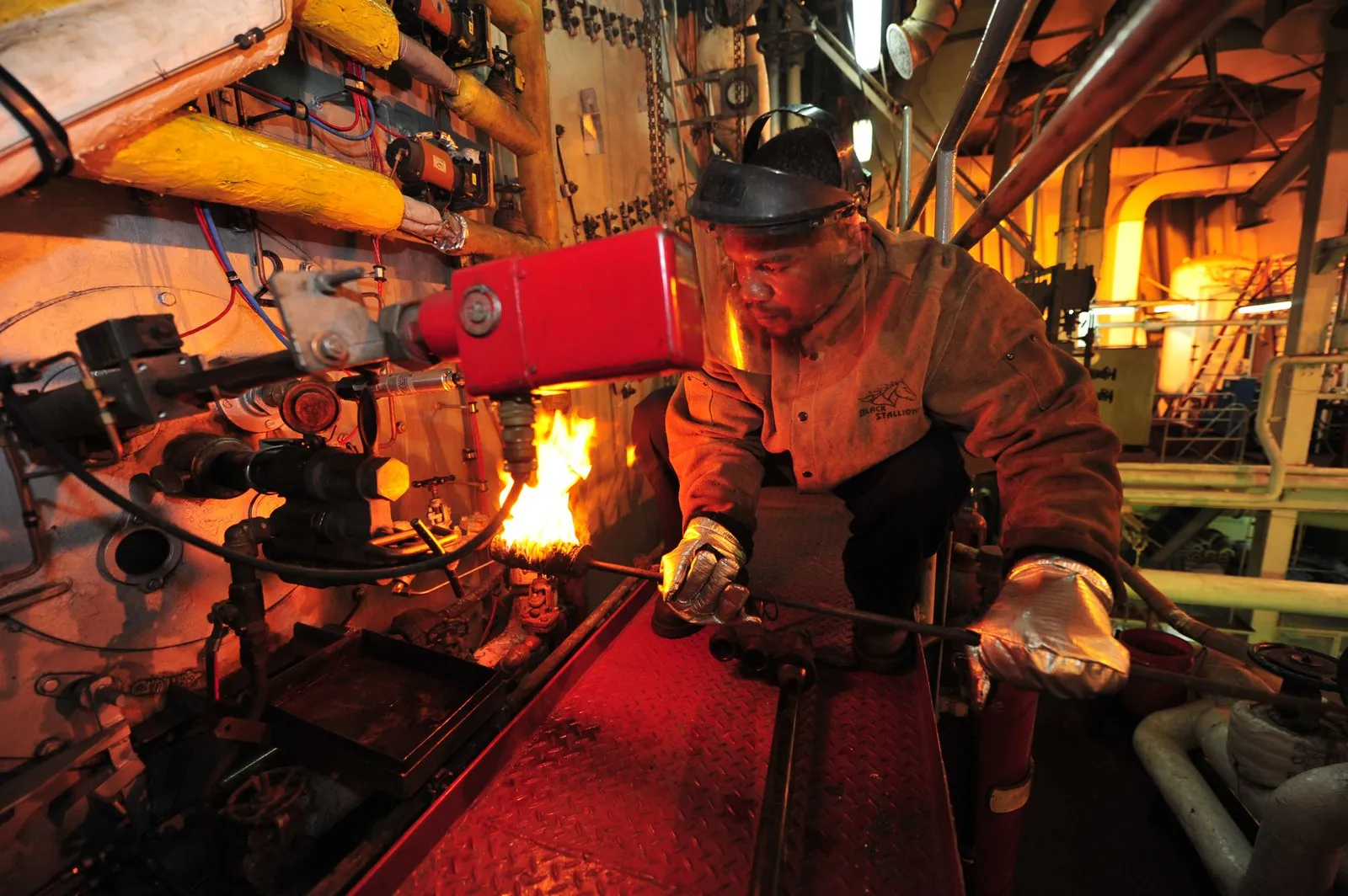
TAIC's chief investigator, Louise Cook, said: "Before internal cleaning, a boiler furnace needs to be isolated and verified as safely cooled." This means the boiler must be shut off, and checks must show it is cool. She was quoted in the TAIC media release.
At sea, the oil-fired part of this type of boiler is turned off and cools for several days before cleaning. In port, it was in use because the main engine was stopped. So a job that felt normal was done in more dangerous conditions.
What the company changed
Fleet Management Limited sent a safety message to its whole fleet. It reviewed its safety rules on risk checks, unplanned work, tiredness and staffing during long repair periods. It also improved its list of protective equipment for each task. It made a boiler safety poster and added the case to training for new crew. Because of these steps, TAIC made no new recommendations.
Lessons for engine crews
Before you clean inside a boiler, shut it off and isolate it. Then check that it is cool with a real measurement, such as a temperature reading. Do not guess.
After many failed attempts to light a burner, expect unburned fuel in the furnace. Ventilate the furnace well and ask a senior engineer before you go on.
Wear a face shield, eye protection and heat-resistant gloves for any work at a boiler opening.
When a normal job is done in different conditions, stop and do a new risk check. Use the permit to work and hold a toolbox meeting.
When you call a senior officer at night, say clearly what work you plan and what can go wrong. If you are the senior officer, ask questions until you understand.
Long repair periods are tiring. Keep your rest hours. Under STCW, watchkeepers and crew with safety duties need at least 10 hours of rest in any 24 hours. They also need at least 77 hours in any 7 days.
If a job is too big for the people on shift, stop and ask for help. TAIC says this should be an easy decision.
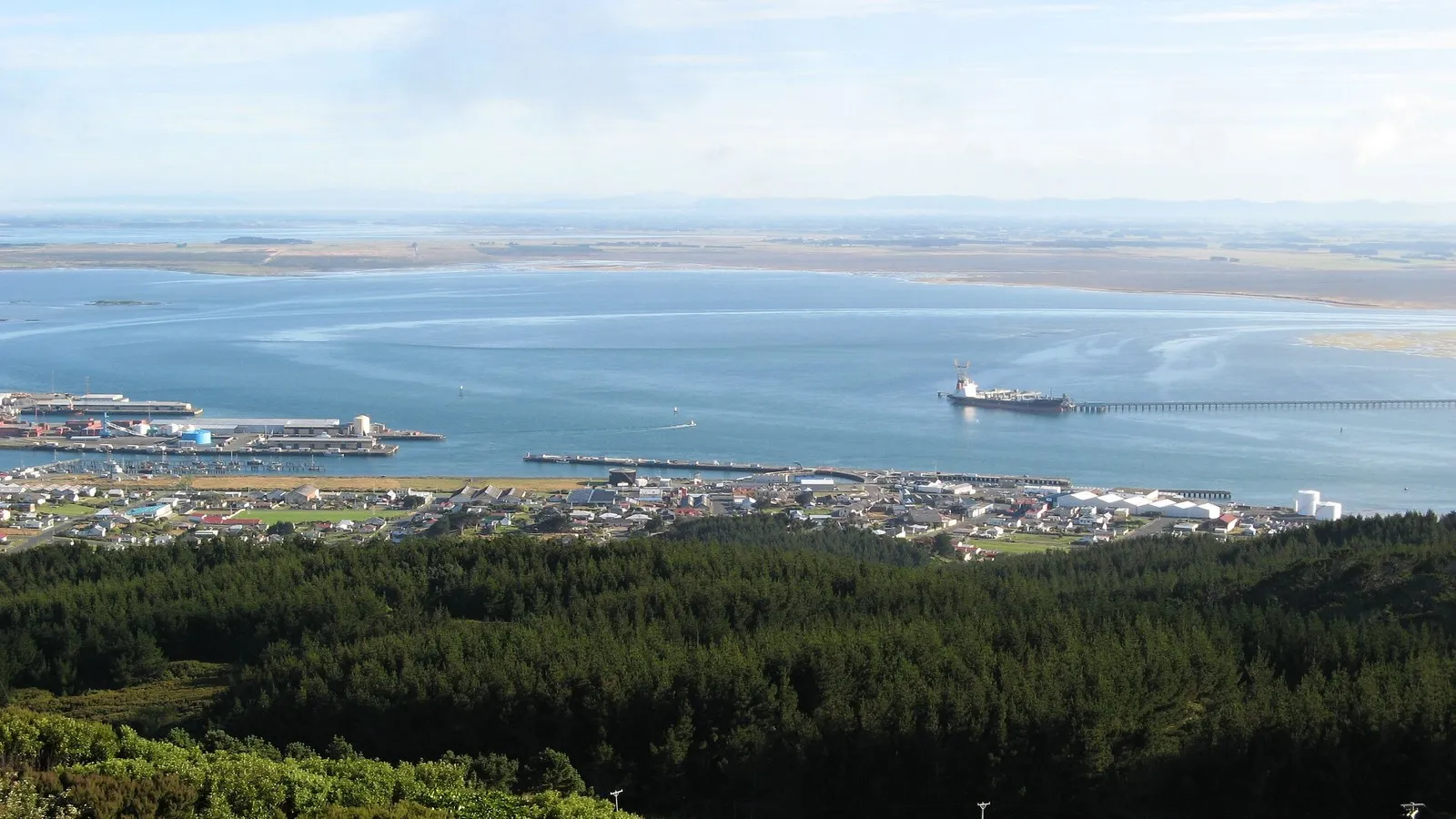
Cover photo: The town and port of Bluff, New Zealand, seen from Bluff Hill in February 2007, with a ship at a long wharf. Illustrative photo. Photo: Pavel Špindler, Wikimedia Commons, CC BY 3.0 (cropped).
Sources: TAIC, 30 Oct 2026: Ship boiler blowback highlights risks when familiar work becomes unfamiliar (media release), TAIC inquiry MO-2025-204: Bulk carrier Olivia, boiler blowback resulting in serious injuries, South Port, Bluff, 24 May 2025, TAIC final report MO-2025-204 (PDF).
How we choose, write and correct our articles: editorial policy.