Update, 17 November 2026: Two tugs from Paradip Port towed the Vishva Uday to safety. The ship is now at anchor just outside the port limits of Paradip. Paradip Port Authority said this on X on 17 November.
The ship's company, the Shipping Corporation of India (SCI), asked the port for help. The ship was about 50 nautical miles from Paradip. It had water coming in and a broken propeller shaft.
India's maritime authority, the DGMA, approved the tow. The tugs Dolphin 25 and Dolphin 20 left Paradip at 12:30 on 16 November. Harbour Master Captain Indranil Mukherjee led the operation. The ship arrived at the anchorage on the morning of 17 November.
The port says all 27 crew were helped safely. The ship was sailing from Haldia in West Bengal to Mozambique, Times Now reports.
All 27 crew of the bulk carrier Vishva Uday are safe after severe flooding in the engine room. The ship was off Paradip, on the east coast of India. It happened on the night of 15 to 16 November 2026. The Indian Coast Guard reported the operation on X on 16 November.
The Coast Guard said the water came in through a damaged tail shaft. The tail shaft is the last part of the propeller shaft. It goes through the back of the ship, the stern, to the propeller.
What happened
The ship reported severe flooding in its engine room during the night.
The Coast Guard District Headquarters in Paradip sent two Coast Guard ships, ICGS Amulya and ICGS Vijaya.
The sea was rough. A special damage control team from the Coast Guard went on board the ship.
The team set up submersible pumps. These are electric pumps that work under water. With them, the team stopped the flooding.
All 27 crew members are safe, the Coast Guard said.
The Coast Guard told the ship to go to Paradip Port for permanent repairs. It is working with the port to arrange a tow.
The Vishva Uday flies the flag of India. It is about 229 metres long and can carry 81,696 tonnes, MarineTraffic reports. The Coast Guard did not say how the tail shaft was damaged.
The Coast Guard's post on X below describes the operation. It has a photo and a short video from it. The second post, from Paradip Port, is about the tow.
Post on X
Loading it connects to X, which may set cookies and see your visit. See our Privacy policy.
Post on X
Loading it connects to X, which may set cookies and see your visit. See our Privacy policy.
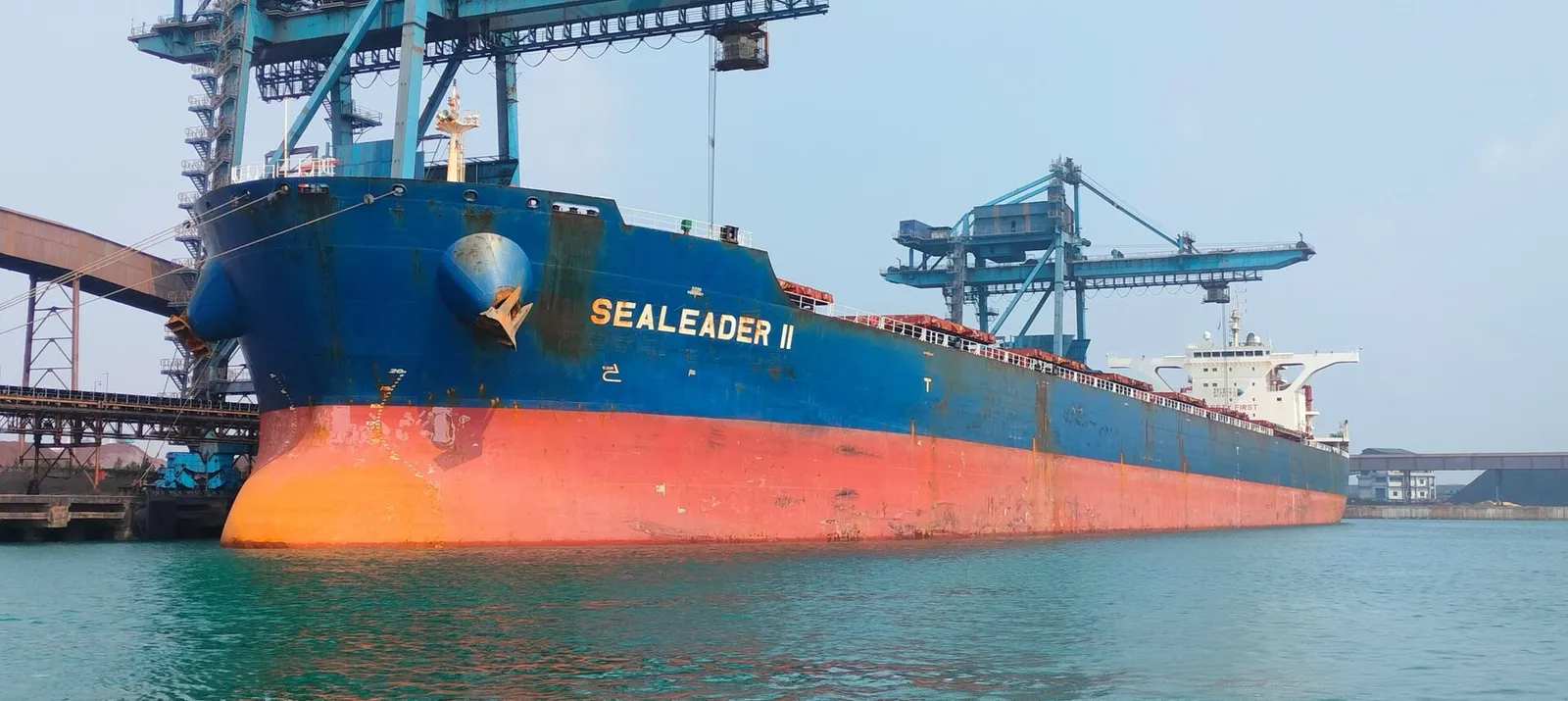
Why a tail shaft leak is dangerous
Where the shaft goes through the hull, a seal keeps the sea out. If the shaft or the seal is damaged, sea water can come into the ship. The engine room is low in the ship, so the water collects there.
Rising water can stop pumps, generators and the main engine. Then the ship may lose power and drift. That is why fast action matters. Here, outside help with extra pumps came in time.
Small leaks can grow fast. Read how a broken cooling pipe flooded a fishing boat off Tongyeong in South Korea, where the crew were also saved.
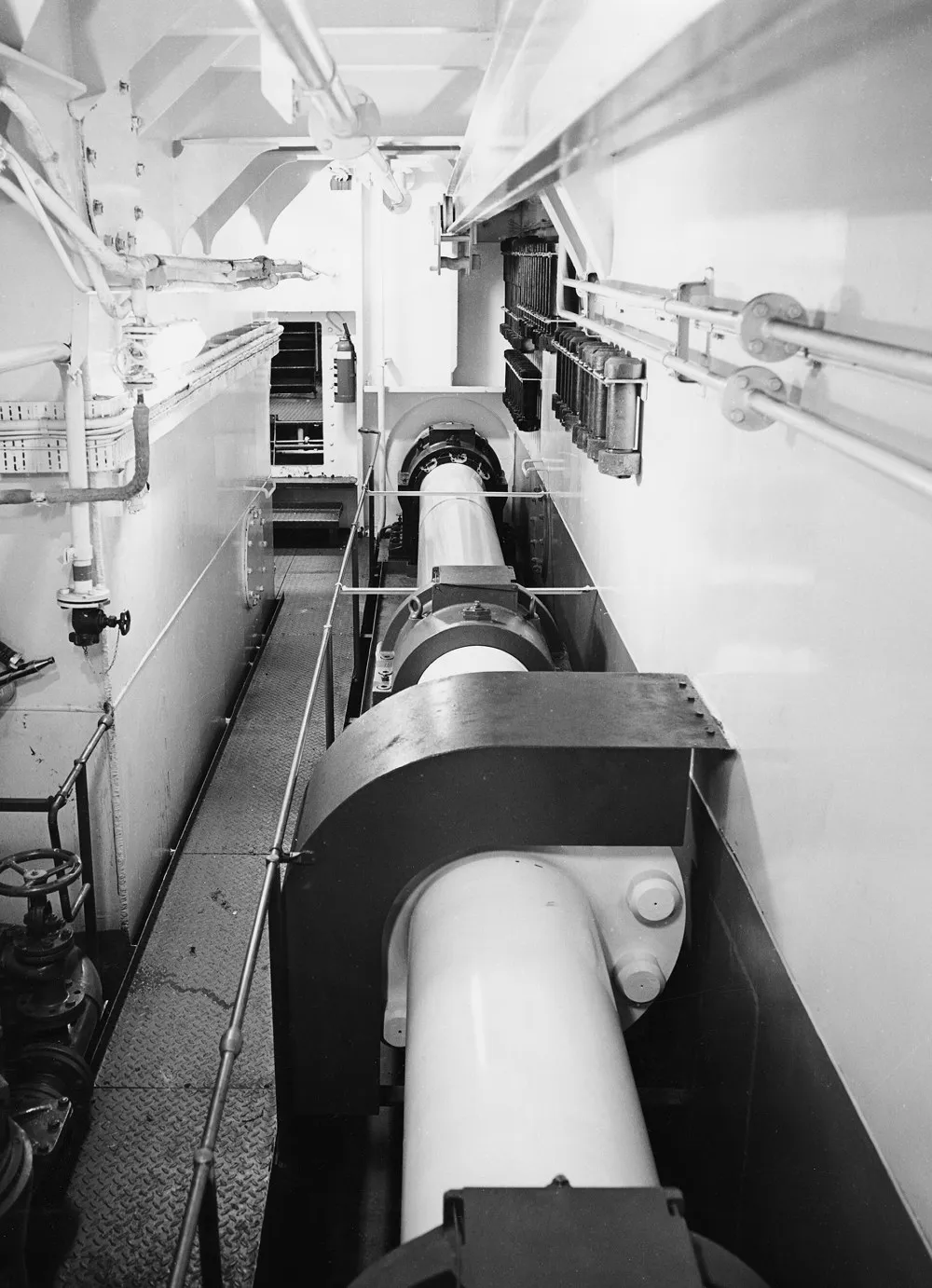
What engine crews can do
On every round, look at the stern tube seal and the shaft tunnel. Look for new drips, water on the floor or a seal that is too warm.
Know where the bilge alarms are and test them as your company's plan says. A bilge alarm warns you when water collects low in the ship.
Know how to use the emergency bilge suction before you need it. Ask the Chief Engineer to show you if you are new on board.
If you see water coming in, tell the bridge and the engineer on duty at once. Do not try to find the cause alone first.
Close watertight doors as the plan says. Keep the escape routes from the engine room clear.
The Master should call the coast guard or the nearest rescue centre early. They can send pumps and a team, as in this case.
Keep your lifejacket and immersion suit ready, and know your muster station.
Engineers who want to compare pay can see Chief Engineer salaries on Crewboard. Crewboard also keeps a list of emergency numbers, rescue centres and other useful links for seafarers.
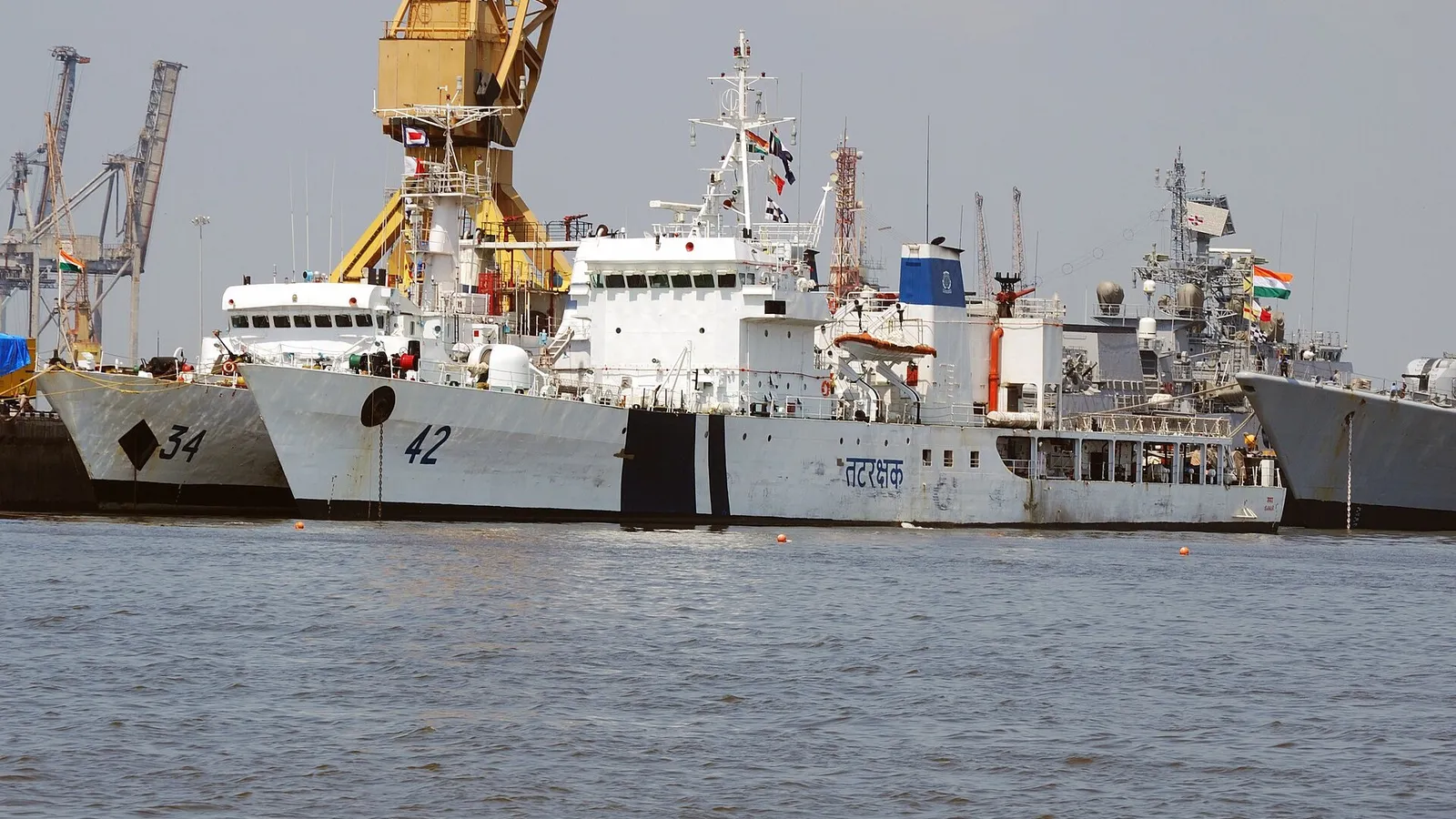
Cover photo: the Indian Coast Guard ships Vijaya (34, left) and Samar (42) in port, September 2009. Vijaya is one of the two ships sent in this operation. Photo: Ting Chen/Wikimedia Commons, CC BY-SA 2.0.
Sources: Indian Coast Guard on X: ICGS Amulya and ICGS Vijaya assist MV Vishva Uday with engine room flooding off Paradip, all 27 crew safe (16 November 2026), MarineTraffic: Bulk carrier suffers engine room flooding off Paradip; all 27 crew safe (16 November 2026), TrustedDocks: Indian Coast Guard rescues 27 crew from flooded MV Vishva Uday (16 November 2026), Paradip Port Authority on X: Successful salvage operation for MV Vishva Uday (17 November 2026), Times Now: 27 crew members rescued as Paradip Port tows distressed vessel to safety off Odisha coast (17 November 2026).
How we choose, write and correct our articles: editorial policy.