A bosun on the bulk carrier World Prize died after a fall from the main deck. The crew were preparing a pilot ladder at the time. The ship was Isle of Man flagged. The fall happened on 14 October 2025, about 3.5 nautical miles east-south-east of Rönnskär, Sweden.
The UK Marine Accident Investigation Branch (MAIB) published Accident Investigation Report 16/2026 in July 2026. On 5 November 2026, the International Marine Contractors Association (IMCA) issued a safety flash. It brings the same lessons back to crews.
A Swedish pilot boat was close by and saw the fall. Its crew tried to recover the bosun from the water but could not. His body was recovered from the seabed the next day. Seawater temperature was about 6°C.
What happened
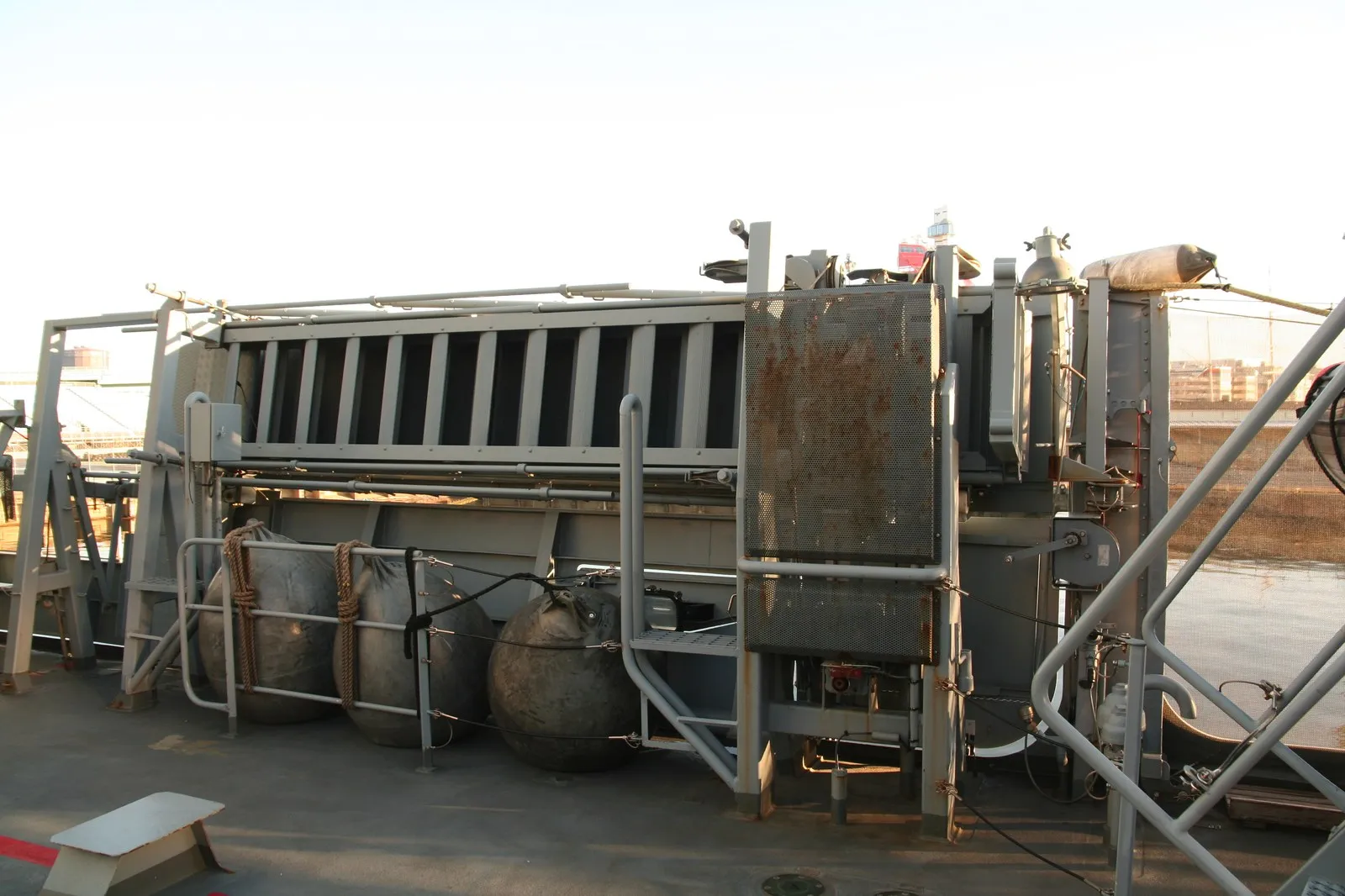
World Prize had just left the berth at Rönnskär. The freeboard at the pilot station was about 13 metres. So the crew needed a combination ladder. That means an accommodation ladder plus a pilot ladder.
Safety chains at the embarkation opening were removed. The bosun and other deck crew worked near that open edge. They were freeing a spreader bar that had caught on the accommodation ladder. The bosun lost his balance and fell headfirst through the opening. He struck a crew member and the lower platform before he entered the water.
He was wearing overalls, safety shoes, gloves, a helmet and a high-visibility jacket. He was not wearing a personal flotation device (PFD) or a safety harness.
What the MAIB found
The MAIB investigated on behalf of the Isle of Man Ship Registry. Its main findings were:
The unsafe way of rigging the pilot ladder had become normal practice on board.
Crew near the unguarded deck edge did not wear the PPE the ship's own rules required. That includes a harness with fall arrest and a PFD.
Nobody stopped the job, even though a stop-work policy was posted on the ship.
There were not enough handheld radios. People on deck had to lean over the side to talk to the ABs on the accommodation ladder.
Permits to work were filled in as paperwork. They did not match what the crew really did.
On the pilot boat, a temporary deckhand had not trained on the new man-overboard recovery gear. That reduced the chance of a quick recovery.
The company later fitted proper anchor points and put the pilot ladder davits back in use. It marked the fall hazard on deck. It also supplied compatible PFDs and more radios. The Isle of Man Ship Registry told its ships to carry the latest UK Code of Safe Working Practices.
What deck teams should do now
Treat any open gap in the ship's side rails as a fall hazard. Wear a safety harness on a proper anchor point. Add a PFD that works with that harness before you work there.
Do not lower a heavy pilot ladder by hand if a davit is fitted. If the davit is out of service, stop. Fix it or change the plan. Do not make do.
Give every person on the ladder or lower platform a handheld radio. Do not lean over an open edge to shout instructions.
If the permit, toolbox talk or PPE does not match the real job, stop the job. Seniority is not a reason to stay quiet.
Check that PFDs and harnesses fit together. Some foam waistcoat PFDs block the dorsal harness point. They will not turn an unconscious person face up.
Practise recovering an unconscious person from the water. Use the gear you actually have on board. Include temporary crew in those drills.
Similar MAIB lessons on permits appear in the Arvia lift-shaft fatality report. False safety records also put crews at risk, as in the AMSA ban of Wooyang Venus for fake rest hours.
Check Bosun salaries on Crewboard and Able Seaman vacancies. Keep contacts from Crewboard useful links.
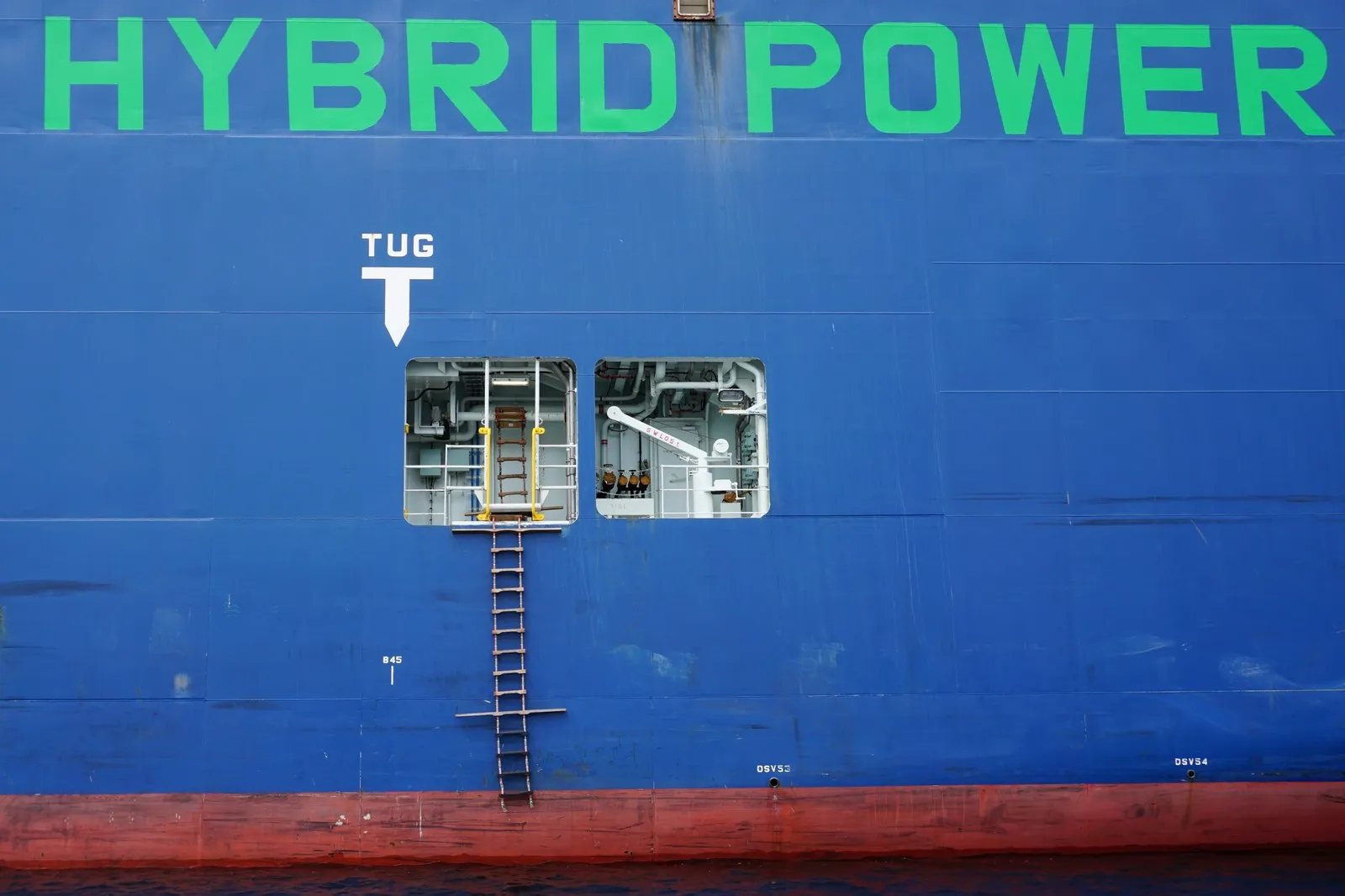
Cover photo: Pilot ladder hanging on the side of the car carrier Auto Aspire. Illustrative photo. Photo: Ein Dahmer/Wikimedia Commons, CC BY-SA 4.0.
Sources: MAIB: Man overboard from the bulk carrier World Prize with the loss of 1 life (report 16/2026), MAIB investigation report 16/2026: World Prize (PDF), IMCA Safety Flash 19/26: MAIB normalising of unsafe practice – fatal man overboard incident (5 Nov 2026).
How we choose, write and correct our articles: editorial policy.