The UK Maritime and Coastguard Agency (MCA) published Marine Guidance Note (MGN) 199 Amendment 1 on 3 November 2026. The note is for owners, masters, pilots and tug masters. It explains the danger of hydrodynamic interaction. That means the way water flow makes ships pull or push each other, or the bank.
The new text replaces older MCA guidance on the same subject (it supersedes Marine Guidance Note 18). Interaction still causes collisions and, in some cases, the capsize of small craft with loss of life.
What the note covers
When a ship moves, there is higher pressure at the bow and stern and lower pressure amidships. In a shallow or narrow channel those pressure fields grow stronger. Another ship, a bank, or a sudden shoal can make the effect worse. Higher speed also makes it worse.
Squat is the way a moving ship sinks and trims deeper. It reduces under-keel clearance. The note says squat is a serious risk when clearance is already small. Examples are a canal, a river, or a channel with sandbanks.
Passing, overtaking and stopping
Ships that pass or overtake at close range in a narrow channel are at high risk. The note says pass at a low but safe speed. Leave enough power so you can add revolutions to help the rudder in an emergency. An overtaking ship should start only after the other ship agrees.
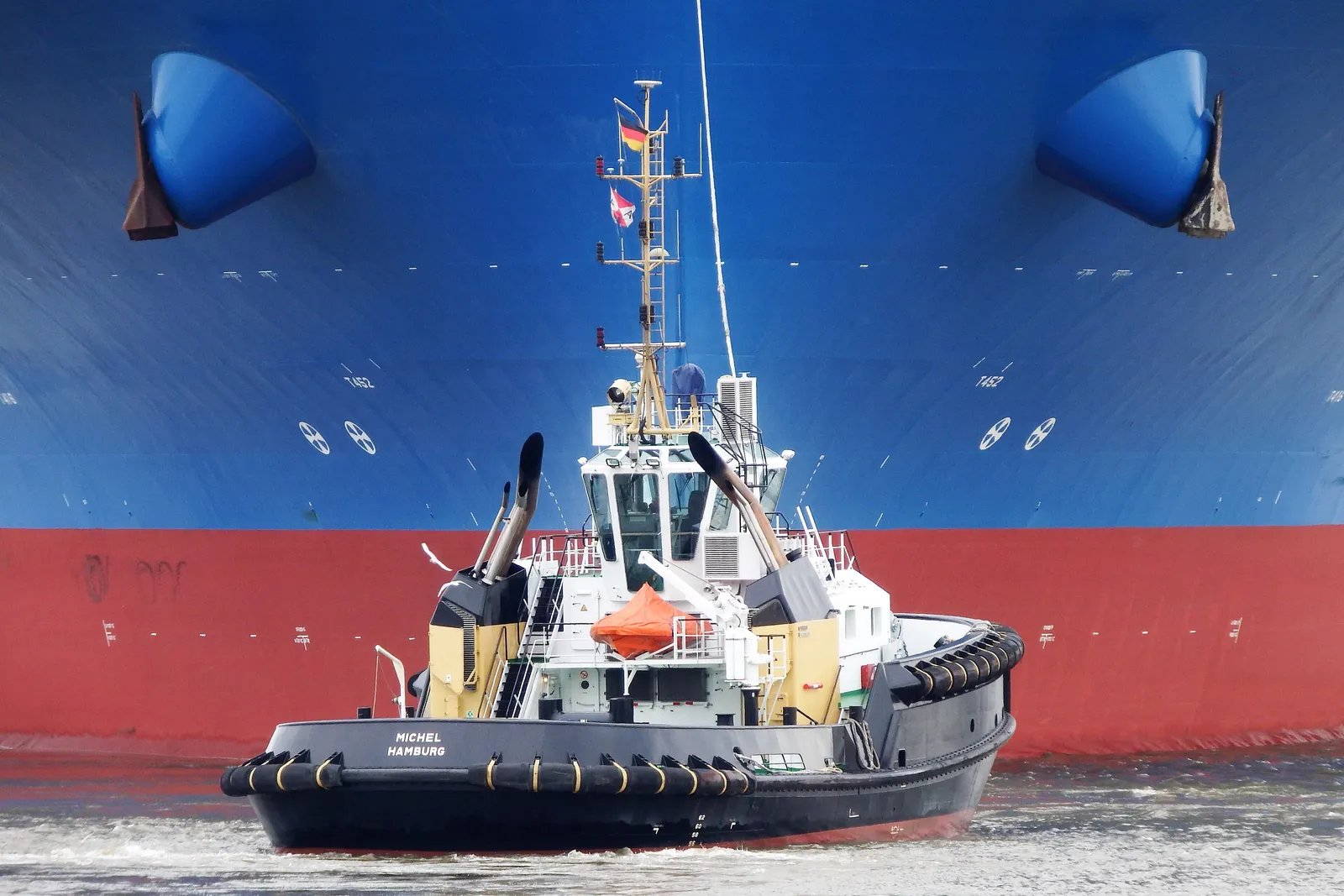
When a deep-draught ship stops suddenly in shallow water, a mass of water can keep moving and swing the stern. Tugs on a short line may then lose thrust. The note also warns about a tug moving ahead to take a bow line. At high speed the tug can sheer under the larger ship's bow.
What it means for bridge and tug crews
Plan the passage for under-keel clearance, channel width, and places where you may meet or overtake other ships.
Slow down early before a close meeting. Extra speed increases interaction roughly with the square of speed.
Keep enough propeller wash on the rudder. Stopping the engine or putting it astern can remove steering when you need it most.
If you are on a small ship near a large one, expect a stronger effect. Stay clear of the area off the large ship's bow when working close.
Tug crews: take a bow line at very slow speed. Be ready to reverse helm and cut power if the tug starts to sheer in.
Fatigue and alarms also raise risk on the bridge. See our report on how new ship technology can shift risk and cause alarm fatigue.
Deck officers can compare open Master vacancies and Chief Officer salaries on Crewboard.
More official guidance is listed on Crewboard's useful links.
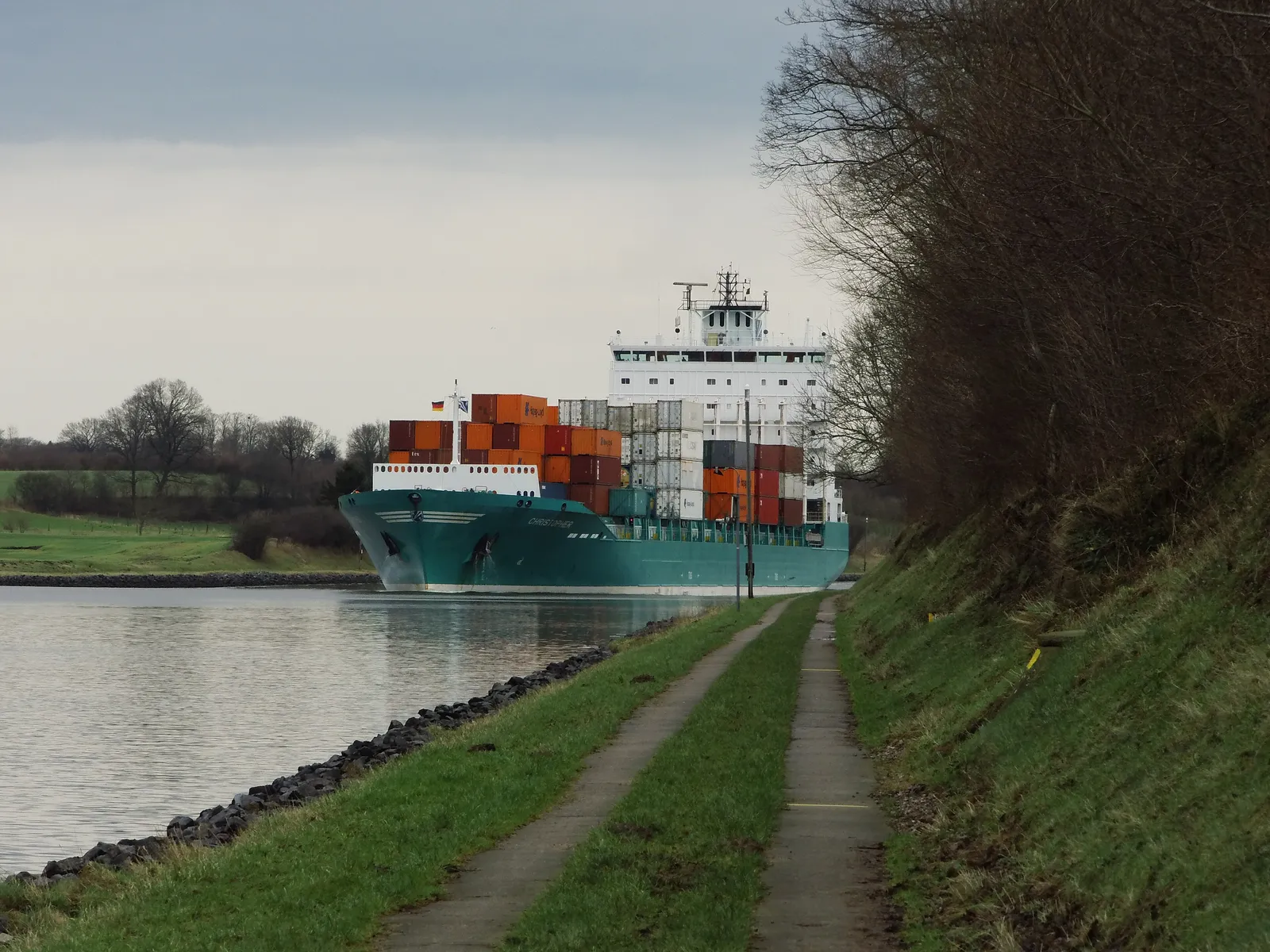
Cover photo: Container ship Christopher in the Kiel Canal. Illustrative photo of a ship in a confined waterway. Photo: HenSti/Wikimedia Commons, CC BY-SA 4.0.
Sources: GOV.UK / MCA: MGN 199 (M) Amendment 1 Danger of interaction (published 3 Nov 2026), GOV.UK: MGN 199 (M) Amendment 1 publication page.
How we choose, write and correct our articles: editorial policy.